
Author

Franklin Brown

Browsing

Navigating the realm of women’s healthcare can feel like a tangled maze. You’re standing at a crossroad, confused between an obstetrician and a gynecologist. Is there really a difference? To help you clear away the fog, let’s take a journey. Imagine we’re strolling down the sun-dappled streets of San Antonio, where the local cuisine makes weight loss a heroic challenge. In the same vein, understanding the distinction between an obstetrician and a gynecologist is not an easy endeavor. Yet, it’s a crucial stepping stone on your path to optimum health. In this blog, we’ll decode these medical titles, unveiling their unique roles and responsibilities. Trust me, it’s simpler than shedding those stubborn san antonio weight loss pounds!

Who is an Obstetrician?

An obstetrician is a specialist in women’s reproductive health, pregnancy, and childbirth. They are the knights in shining armor during pregnancy, delivery, and postnatal care. From the time a woman conceives until she delivers, an obstetrician is the guiding hand. They ensure both mother and baby are safe and healthy throughout this miraculous journey of life.

The Role of a Gynecologist

A gynecologist, on the other hand, focuses on the non-pregnancy aspects of a woman’s reproductive health. Think of them as your most trusted guide, helping you navigate through menstrual problems, contraception, sexually transmitted diseases, hormone disorders, and more. They’re the ones you turn to for annual screenings and preventive care, ensuring your reproductive system is in top shape.

Two roles, One Doctor: The OB-GYN

Now, here’s where it gets interesting. In many cases, a doctor can be both an obstetrician and a gynecologist. These dual-role professionals are known as OB-GYNs. They’re like a one-stop shop for women’s reproductive health. From the first period to menopause, and everything in between – pregnancy, childbirth, and postnatal care – an OB-GYN has it covered.

Choosing the Right Doctor

Understanding the difference between an obstetrician and a gynecologist is the first step. The next step is deciding which one is right for you. If you’re planning to have a baby, an obstetrician or an OB-GYN is your go-to professional. If you’re not pregnant but need advice or treatment for issues related to your reproductive system, a gynecologist is your best bet.

Of course, this decision also depends on personal comfort and trust. After all, these are the doctors who will guide you through some of the most significant moments of your life. So choose wisely.

Final Thoughts

Just like shedding those San Antonio weight loss pounds, understanding the difference between an obstetrician and a gynecologist can be challenging but rewarding. Whether you choose an obstetrician, a gynecologist, or an OB-GYN, remember, that the ultimate goal is your health and wellbeing. So take that step, make your choice, and embark on a journey to optimum health!

Imagine this. There’s a spry senior in your life who’s always been on the move. Suddenly, that spring in their step dwindles. They’re crippled by the relentless pain of ‘Spring plantar fasciitis.’ It’s a nightmare, right? But it happens often. And that’s why we need to dive deep into the importance of foot care for our elderly. As a Podiatrist, I can’t stress enough how crucial this issue is. It’s not a buzzkill – I promise. We’re talking about preserving that zest for life. It’s a game-changer. Let’s jump right in, shall we?

Understanding the Struggle

Picture Thomas Edison. He’s in his lab, tirelessly toiling. His feet are sore, but he carries on. Now, add ‘Spring plantar fasciitis’ to his woes. Would he have invented the light bulb? It’s hard to say, isn’t it? Our seniors are no different. Their dreams, hopes, and daily tasks get clouded by foot pain.

What’s at Stake?

Freedom, independence, mobility – these all hang in the balance. For a senior, something as basic as a walk in the park becomes an uphill battle. They start to rely on others. Self-esteem takes a hit. The ordeal is heartbreaking.

The Role of Podiatrists

Here’s where we step in. As podiatrists, we’re the knights in shining armor. We’re familiar with the battleground. We know the enemy – foot pain. We arm our seniors with the right weapons – suitable footwear, stretching exercises, and timely treatments.

The Fight Against Spring Plantar Fasciitis

Spring plantar fasciitis is a notorious enemy. It strikes when you least expect it. The first step to victory? Recognition. We help our seniors identify this pain. The next step is action. We devise a plan – stretching exercises, heat treatments, and orthotics.

The Reward

Imagine that spry senior on the move again. They’re free from pain. They’re self-reliant. They’re enjoying a walk in the park. Their zest for life returns. That’s our reward. It’s priceless, don’t you think?

Takeaway

Foot care is crucial for our elderly. It’s not just about pain relief. It’s about preserving their independence, mobility, and zest for life. It’s a fight worth fighting. As podiatrists, we’re committed to this cause. We’re here to help. Let’s keep that spring in our seniors’ step, shall we?

Asthma is a chronic respiratory condition. It affects the airways, which transport air to and from the lungs. It is a major Noncommunicable Disease (NCD) affecting children and adults. About 27 million people in the United States, roughly 1 in 12, have Asthma. Managing this lung condition involves avoiding triggers, taking prescribed medications, and monitoring symptoms to prevent severe attacks. Read this informative article to learn more about Asthma symptoms in adults. 

Common symptoms of Asthma in adults

The common Asthma symptoms in adults vary and can be of different intensities, ranging from mild to severe, and can typically be managed with medications like Aerocort Forte Rotacaps 200/100mcg. The following are some of the symptoms of Asthma, which some may experience intermittently and some may experience persistently. 

Wheezing

A classic symptom of Asthma is a high-pitched whistling or squeaky sound during breathing, especially when exhaling. Wheezing occurs due to the narrowing and inflammation of the airways, making breathing in and out challenging. 

Every adult with Asthma does not experience wheezing, but for anyone who gasps, it’s an indication of the narrowing or obstruction of the airways. This causes noisy and labored breathing. The volume of wheezing can be faintly audible or noticeable. 

Coughing

Persistent, recurrent coughing is common, especially at night, during exercise, when exposed to cold air, or when laughing. The cough may be dry and nonproductive, causing discomfort and disrupting sleep. 

Shortness of breath

Experiencing trouble taking deep breaths is a common sign of Asthma. Breathlessness in adults can hinder activities like climbing stairs or walking even short distances. 

Physical exertion and exposure to allergens can trigger this symptom, which feels like an inability to get enough air or gasping to breathe. But it can also happen while at rest. 

Chest tightness

Adults with Asthma often describe a feeling of tightness, pressure, or chest pain that can make breathing uncomfortable and limit physical activity. Tightness in the chest, like there’s a band around it, can be distressing and may make an affected individual anxious. The feeling of a heavy weight pressing down the chest can make taking deep breaths difficult.

Tachypnea

Rapid breathing, medically termed ‘Tachypnea,’ is another Asthma symptom in adults. An individual may breathe shallowly and quickly and with visible effort, too. 

What triggers Asthma symptoms in adults

The following factors can trigger Asthma symptoms in adults, causing  Asthma attacks or making them worse.

  • Airborne irritants: Chemical fumes, pollution, smoke, and strong odors can trigger Asthma symptoms by irritating the airways
  • Allergens: Dust mites, pet dander, pollen, mold, and other allergens can trigger Asthma symptoms in adults
  • Exercise: Physical activity, especially in cold or dry air, can induce Asthma symptoms in some adults. This is known as exercise-induced bronchoconstriction
  • Emotions and stress: Intense emotions or emotional stress can kick off Asthma symptoms and lead to hyperventilation or shallow breathing
  • Medications: Some medications can trigger Asthma symptoms in sensitive individuals. E.g.- Non-steroidal Anti-inflammatory Drugs (NSAIDs) and beta-blockers
  • Weather conditions: Weather change, cold air, and humidity can affect Asthma symptoms, causing them to flare up

Diagnosis of Asthma in adults

To diagnose Asthma in adults, a doctor typically carries out a thorough medical history and physical examination and suggests or conducts one or more diagnostic tests, specifically lung function tests. 

The first step typically involves spirometry, a test to measure airflow and assess how well one can inhale and exhale. If airflow obstruction is seen, an individual has to take a bronchodilator reversibility testing is performed to see if the lung function improves after inhaling a medication.

Additional tests may also be necessary, such as measuring exhaled nitric oxide to look for airway inflammation and using a peak flow meter to evaluate peak expiratory flow variability. If initial tests are inconclusive, bronchial challenge testing might be done.

Tips to manage Asthma symptoms in adults

Though Asthma is incurable, there are appropriate treatments and other strategies that can effectively manage the symptoms.

  • Medication: Inhaled corticosteroids, bronchodilators, and other medications can help manage Asthma symptoms and prevent attacks. Aerocort Forte Rotacaps 200/100mcg is one such effective and affordable medication
  • Avoiding triggers: An individual can decrease the severity and intensity of Asthma attacks by recognizing and avoiding triggers
  • Controlling the environment: Measures such as air purifiers, allergen covers, and regular cleaning can lessen exposure to allergens and irritants
  • Regular check-ups: Regular doctor visits are important for monitoring Asthma symptoms, adjusting medications as needed, and receiving guidance on Asthma management

Conclusion

Knowledge about Asthma symptoms in adults, like chest tightness, coughing, rapid breathing, shortness of breath, and wheezing, is crucial for detecting them. Identifying signs of Asthma helps manage the condition and seek treatment at the right time. It is also important to know about triggers like airborne irritants, allergens, and stress, which can set off Asthma attacks. You should not delay a doctor consultation if experiencing Asthma symptoms. With proper monitoring and treatment, it is possible to lead a regular and usual life despite Asthma. 


In the heart of technological advancements, the field of dentistry has undergone a remarkable transformation, especially in the realm of family and cosmetic dentist. The pursuit of a perfect smile is now more achievable than ever, thanks to cutting-edge technologies that have revolutionized the way dental professionals in Illinois approach cosmetic procedures. From digital imaging to 3D printing, technology plays a pivotal role in enhancing both the efficiency and precision of modern cosmetic dentistry.

Digital Smile Design (DSD):

Digital Smile Design (DSD) is one of the major technical innovations in cosmetic dentistry. Using digital tools to examine dental and facial dimensions, this novel approach enables dentists to create individualized treatment programs. Before having treatments like veneers, tooth whitening, or orthodontics, patients in Illinois can see possible results, which encourages a cooperative approach between dentists and their patients.

Intraoral Scanners and 3D Imaging:

The development of intraoral scanners and 3D imaging has rendered traditional molds and impressions obsolete. With the use of this technology, dentists may produce intricate digital representations of their patients’ mouths, improving precision in the preparation and performance of aesthetic operations. As a result, restorations like veneers, crowns, and bridges fit more precisely, guaranteeing the best possible functionality and appearance.

Laser Dentistry:

With its least invasive alternatives to conventional techniques, laser technology has completely transformed a number of cosmetic dental procedures. Laser dentistry is frequently used to repair soft tissue abnormalities, whiten teeth, and contour gums. When lasers are used in cosmetic procedures, patients in Illinois experience shorter recovery times, less discomfort, and improved precision.

Computer-Aided Manufacturing and Design (CAD/CAM):

Dental restoration manufacturing has become more efficient because of CAD/CAM technology. This covers veneers, bridges, and crowns. In Illinois, cosmetic dentists create digital restorative designs utilizing CAD/CAM systems. These designs are then precisely manufactured through the use of computer-guided milling or 3D printing. This guarantees a high degree of accuracy in the finished product and speeds up the process.

Technology has become an indispensable ally in the realm of modern cosmetic dentistry in Illinois. From digital smile design to laser dentistry and advanced imaging, these innovations not only elevate the precision and efficiency of cosmetic procedures but also enhance patient experience. 

As technology continues to evolve, the future of cosmetic dentistry holds the promise of even more personalized, efficient, and aesthetically pleasing outcomes for individuals seeking to achieve their dream smiles. Embracing these technological advancements positions Illinois at the forefront of the cosmetic dentistry landscape, where science and artistry converge to create confident and radiant smiles.

Picture losing a tooth. It’s more than a gap in your smile – it’s a constant reminder of what once was. But, thanks to the heroes of oral surgery, there’s a solution: dental implants. It may sound complicated, but with advancements in the field, the procedure has become streamlined. In places like Houston, houston teeth in a day isn’t an extravagant claim. It’s a reality. This blog will peel back the curtain on how oral surgeons make Houston teeth in a day possible. Let’s dive into the captivating realm of dental implants.

The Magic Behind Dental Implants

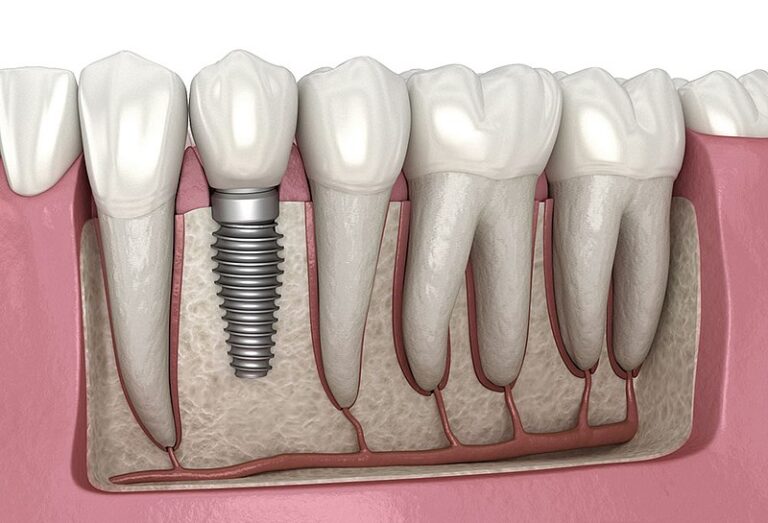
Dental implants are essentially artificial tooth roots. They provide a strong foundation for fixed or removable replacement teeth. The trick is in the material – titanium. Once implanted, the jawbone grows around the titanium post, creating a durable base for the new tooth.

‘ Houston Teeth in a Day’ – How It Works

Traditionally, dental implant procedures could take months. With ‘Houston teeth in a day’, the process is significantly faster. The secret? Detailed planning and precise execution. Surgeons utilize advanced imaging technology to map out the exact location of the implant. Then, using specialized tools, they insert the implant, attach an abutment, and fix the replacement tooth – all in one appointment.

The Role of Oral Surgeons

Oral surgeons are the maestros conducting this operation. With years of specialized training, they have the skills to perform the procedure quickly and accurately. They ensure patient safety, manage any potential complications and aim for optimal aesthetic results.

Recovery and Aftercare

After getting ‘Houston teeth in a day’, there’s a recovery period. Patients may experience some discomfort, swelling, or minor bleeding – but these are normal and temporary. Oral surgeons guide patients through the aftercare process, providing detailed instructions and support.

Is ‘Houston Teeth in a Day’ For Everyone?

While ‘Houston teeth in a day’ is a groundbreaking service, it’s not for everyone. Some patients may not have sufficient bone density for the procedure or may have other health conditions that make the procedure riskier. Oral surgeons evaluate each patient thoroughly to determine the best approach.

Conclusion

‘Houston teeth in a day’ is not just a catchy phrase – it’s a testament to the advancements in oral surgery and the expertise of the surgeons. For those eligible, it’s a life-changing service that can restore smiles and confidence in as little as a day. It’s proof that in the realm of dental health, science and technology are making miracles happen every day.

You’re in the heart of Waterford, contemplating a change. You’re looking into the mirror, assessing your smile, and you feel it’s time for a transformation. A whirlwind of thoughts on cosmetic dentistry springs to mind, but you’re hindered by a fog of common misconceptions. dentures Waterford is a phrase you’ve stumbled upon, but you’re unsure. It’s time to clear the mist. Let’s debunk these myths about cosmetic dentistry together.

Myth 1: Cosmetic Dentistry is Only for Vanity

Many people believe that cosmetic dentistry is just for those who are vain. This isn’t true. It’s not only about looking good, it’s about feeling good too. A beautiful smile can boost your confidence and self-esteem. It’s about being the best version of you.

Myth 2: It’s Painful

Another common myth is that cosmetic dentistry is painful. Modern technology and techniques have made the procedures relatively pain-free. Plus, dentists are trained to ensure patient comfort at all times. It’s more about fixing your smile, not causing distress.

Myth 3: It’s Too Expensive

Many believe that cosmetic dentistry is beyond their means. However, there are a variety of options for different budgets. Also, when you consider the long-term benefits it provides, it’s an investment in your happiness and self-esteem. It’s not about the cost, it’s about the value.

Myth 4: The Results Don’t Last

Some people are under the impression that the results are temporary. This is a myth. With proper care and maintenance, the results can last for years. It’s not a short-term solution, it’s a long-term investment.

Myth 5: Only Older People Need It

Finally, there’s the myth that cosmetic dentistry is only for older people, specifically for dentures. In reality, it’s for anyone who wants to improve their smile. Whether it’s braces for a teenager or dentures for a grandparent, everyone deserves a winning smile.

With these myths debunked, I hope you feel more confident about considering cosmetic dentistry. Remember, it’s not what others think, it’s what you feel about your smile. It’s time to step out of the fog and into the clear light of truth.

Navigating the realm of psychotherapy can feel bewildering. It’s like wandering in a forest with no directional signs. But don’t be disheartened. In the pulsing heart of New York City, individual therapy opportunities abound. Today, we’ll dive into the depths of various therapeutic techniques. We’ll strip back the layers, unraveling the complexity of each method. Whether you’re in the individual therapy new york Google search phase or just curious, this exploration will illuminate the therapy world. Remember, within this vast forest, there’s a path designed just for you.

Cognitive Behavioral Therapy (CBT)

Imagine you’re a detective, examining how your thoughts, feelings, and behaviors intertwine. That’s the essence of Cognitive Behavioral Therapy. This approach helps you identify negative thought patterns and work to change them. It’s like clearing out the weeds in your garden to let flowers bloom.

Psychodynamic Therapy

Picture an archaeologist digging into the past to uncover hidden treasures. Psychodynamic therapy does just that with your subconscious mind. It delves into your past experiences and how they shape your current behaviors, feelings, and thoughts. It’s a deep dive into the ocean of your mind, exploring the unseen depths.

Humanistic Therapy

Ever felt like you’re merely surviving, not thriving? Humanistic therapy aims to change that. It focuses on your potential and encourages personal growth. It’s like a journey to climb the tallest peak, providing a panoramic view of your capabilities.

Dialectical Behavior Therapy (DBT)

Imagine you’re on a tightrope, balancing between change and acceptance. That’s what Dialectical Behavior Therapy strives for. Rooted in CBT, it emphasizes balancing acceptance and change while enhancing your coping skills. It’s like learning to dance in the rain without getting wet.

Acceptance and Commitment Therapy (ACT)

What if you could sail smoothly through life’s stormy seas? Acceptance and Commitment Therapy encourages just that. It promotes acceptance of your thoughts and feelings without judgment. It’s like learning to ride the waves, committed to the journey despite the occasional storm.

These therapeutic techniques are just the tip of the iceberg in the expansive sea of psychotherapy. Remember, no path is inherently right or wrong. It’s about finding the path that feels right for you. It’s time to step out of the forest and onto the path designed for you in the world of individual therapy. New York City, with its diverse therapy options, is here to guide you on your journey.

Imagine, you’re in Port Saint Lucie, your leg swelling up like a balloon. Panic seizes you. Then, a memory flashes – something about heart issues causing swelling. And just like that, your cardiologist becomes your superhero. In this blog, we’re mapping out the landscape where these everyday heroes work. We’re not just talking about Port Saint Lucie leg swelling, we’re diving into the common procedures cardiologists perform to keep our hearts – and us – alive and kicking. Prepare to be astonished!

Angioplasty

The first stop on our journey is Angioplasty. It might sound like something from a science fiction movie, but it’s a routine procedure for our heart heroes. Here’s what happens: a tiny balloon inflates inside your blood vessels. This helps to widen them and increase blood flow. Sounds simple, right? But make no mistake – this procedure can save lives.

Stenting

Next, we have Stenting. This procedure often follows an angioplasty and involves a small mesh tube being placed inside the blood vessel to prevent it from narrowing again. It’s like a support beam for your arteries. Think of it as a small but sturdy safety net for your heart.

Cardiac Catheterization

Our third stop is Cardiac Catheterization. This procedure, often called a “heart cath”, allows your cardiologist to diagnose and treat heart conditions. They use a long, thin tube inserted into an artery or vein to reach your heart. It’s as if they take a journey right into the heart of you.

Electrocardiogram (ECG)

Finally, we arrive at the Electrocardiogram or ECG. It’s the heart’s biography, documenting every beat and rhythm. With each line and wave, your cardiologist can learn about the history of your heart, identifying any irregularities or conditions that could be affecting its performance.

So, there you have it. A brief dive into the world of cardiologists and the procedures they perform. From the seemingly simple tasks to the complex procedures, each action they take is aimed at keeping our hearts healthy and our lives filled with joy. So the next time you’re in Port Saint Lucie and notice your leg swelling, remember that your heart superhero is ready to swoop in and save the day.

Imagine this. You’re sitting in your doctor’s office in the heart of reproductive endocrinology bedford. A wave of emotion hits you as they discuss the range of fertility treatments you might consider. Fear, hope, confusion. You’re probably wondering, “What are these treatments?” “How do they work?” In this blog post, we’ll travel together through the maze of fertility treatments, unpacking the scientific jargon, and simplifying it. We’ll explore every option, from IVF to IUI, hormone treatments to surgical procedures. It’s a journey, but you’re not alone. Let’s begin.

IVF – In Vitro Fertilization

Imagine a petri dish. In it, the miracle of life begins. This is IVF, where eggs and sperm meet outside of the body. The embryos then get transferred back into the uterus. It sounds complex, but it’s a beacon of hope for many.

IUI – Intrauterine Insemination

Picture a turkey baster – strange, I know. But it’s a simple analogy for IUI. Here, sperm is placed directly into the uterus. It’s like giving nature a bit of a nudge in the right direction.

Hormone Treatments

Think about how your body functions. Hormones control a lot, right? That’s why hormone treatments can be so effective. They can stimulate or suppress egg production, and also prepare the uterus for implantation.

Surgical Procedures

Let’s think about a road with obstacles. That’s how some reproductive systems might be. However, surgical procedures can remove these obstacles. From endometriosis to fibroids, these procedures open the road to pregnancy.

The Journey Begins

The journey through fertility treatments is like a winding road. It’s full of turns, bumps, and sometimes roadblocks. But remember, you’re not traveling alone. With professionals in reproductive endocrinology by your side, there’s a light at the end of the tunnel. So, buckle up. It might be a bumpy ride, but the destination? It’s worth it.

Ever step on a Lego? Imagine that pain, but all the time. That’s how some foot ailments feel. Plantar fasciitis stings like a persistent bee. Mission Viejo warts – they’re more common than you’d think – make every step feel like a serious gamble. Bunions get in the way of your favorite shoes. These are the usual suspects we podiatrists tackle every day. Let’s dive in and explore these foot foes, their causes, and how a podiatrist can help you regain your stride.

The Sting of Plantar Fasciitis

Imagine an invisible bee stinging your heel every time you take a step. That’s plantar fasciitis. It’s inflammation of the band of tissue that connects your heel bone to the toes. It can rob you of simple pleasures – like the morning walk with your dog. But fear not. A podiatrist can offer treatments – stretching exercises, night splints, orthotics, and more. You don’t have to live with the pain.

Mission Viejo Warts: An Unwanted Gamble

Plantar warts, sometimes known as Mission Viejo warts, can make every step a gamble. They’re small, grainy growths on the heels or other weight-bearing areas of your feet. Their position often leads to pressure, causing pain or discomfort. A podiatrist can help remove these warts and advise on prevention measures. Don’t let these unwanted guests ruin your dance night.

Bunions: The Unpleasant Bump

Bunions can turn a love for stylish shoes into a painful affair. They form as a bony bump at the base of the big toe, causing it to lean towards the other toes. This misalignment can result in significant discomfort. But here’s the good news: Bunions are treatable. From pads and shoe inserts to surgery, a podiatrist can guide you through the best solution.

Take Your Stride Back

In the end, it’s about taking your stride back. Living with foot pain is not a necessity. It’s something that can be treated. So take the first step. Consult a podiatrist. Understand the root cause of the pain. Explore the available treatments. Take back your walks, your dances, your morning jogs. Your feet carry you through life’s beautiful journey. They deserve the best care. Don’t let foot ailments rob you of the joy of movement. Remember, every step towards treatment is a step away from pain.