
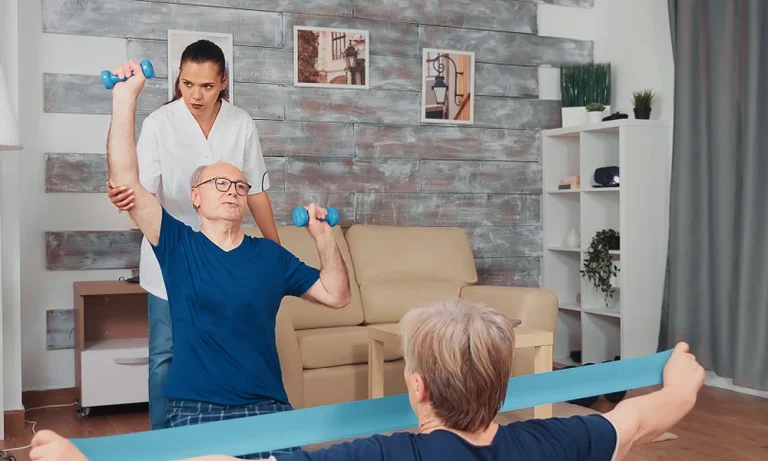
Older adults frequently require structured support with movement, balance, daily activities, or recovery following illness, surgery, or injury. Physiotherapy at home for seniors delivers targeted rehabilitation within a comfortable, familiar setting, enabling a healthcare professional to observe realistic movement and evaluate relevant home conditions. Families organising geriatric home care should carefully evaluate the individual’s physical capabilities, personal safety, and broader long-term support requirements to ensure optimal health outcomes.
Selecting an appropriate care strategy depends on the older adult’s health status, rehabilitation goals, and unique daily circumstances. Families should thoroughly discuss these specific needs with qualified healthcare professionals before deciding on a suitable programme.
1. Assess Mobility and Movement
Begin by conducting a comprehensive review of how the older adult moves around their living environment. Pay close attention to functional movement, including walking, standing up from a seated position, sitting down safely, and transitioning smoothly between different rooms.
Engage in open discussions with the individual and their primary care team regarding specific routine activities that have recently become challenging or exhausting. This detailed assessment should accurately reflect the person’s current functional abilities rather than rely on general assumptions based strictly on age.
A professional physiotherapist can thoroughly evaluate movement mechanics, identify muscle weaknesses or balance deficits, and recommend tailored rehabilitation exercises. Families should closely follow expert professional guidance when assisting loved ones with daily mobility exercises.
2. Review Daily Activities
Evaluating daily routine tasks offers invaluable insights into where professional assistance is most needed. These essential activities include getting in and out of bed, transferring to an armchair, utilising bathroom facilities safely, or navigating hallways and stairs.
Identify which tasks the senior can perform fully independently and where hands-on assistance or adaptive devices become necessary. Gathering this clear information enables the care team to establish meaningful therapy goals and coordinate effective support arrangements.
Always respect the older adult’s personal preferences and actively involve them in decisions regarding their overall care plan whenever possible, promoting dignity and confidence.
3. Key Signs
Families should consider seeking an expert clinical assessment when they recognise warning signs or noticeable changes in daily function, such as:
- Mobility changes: The person experiences growing difficulty walking, standing upright, or maintaining endurance.
- Balance concerns: Movement appears hesitant or unsteady during routine household activities.
- Reduced independence: Everyday personal tasks require significantly more physical support or supervision.
- Activity limitations: The individual consciously avoids moving due to joint pain, weakness, or fear of falling.
- Recovery needs: The person requires specialised physical rehabilitation following a recent illness, injury, or hospital discharge.
While these observations do not constitute a formal diagnosis, they offer crucial context that helps families clearly communicate the individual’s specific needs to healthcare professionals.
4. Check the Home Environment
The physical layout of the home significantly impacts how safely and easily an older adult can navigate their surroundings. Conduct a detailed review of walkways, flooring surfaces, furniture placement, room lighting, and access to essential areas like bathrooms and kitchens.
Request that the visiting physiotherapist assess potential environmental hazards during their home visit. Professional recommendations will address the senior’s specific mobility constraints alongside the unique layout of the property.
Families should avoid making major alterations to mobility equipment or manual transfer procedures without obtaining qualified guidance from experienced clinicians.
5. Consider the Wider Care Arrangement
Home physiotherapy is most effective when integrated into a comprehensive, well-coordinated care strategy. Families should evaluate daily assistance needs, caregiver availability, and the ongoing support required outside formal therapy sessions.
Geriatric home care encompasses help with daily living routines, personal care, or specialised physical assistance tailored to the senior’s individual needs. Clearly define which services are required and ensure they are harmoniously aligned with the rehabilitation plan.
Regularly discuss therapeutic goals, expected session schedules, and progress evaluation criteria with all involved healthcare professionals to maintain consistency.
Thorough senior home physiotherapy planning must address functional mobility, routine daily activities, environmental safety, and broader care support. A professional clinical assessment empowers families to establish an effective rehabilitation pathway and deliver suitable home care support.
Contact The Home Physio today to discuss personalised physiotherapy at home for seniors and explore professional care options tailored to your family’s unique situation.