
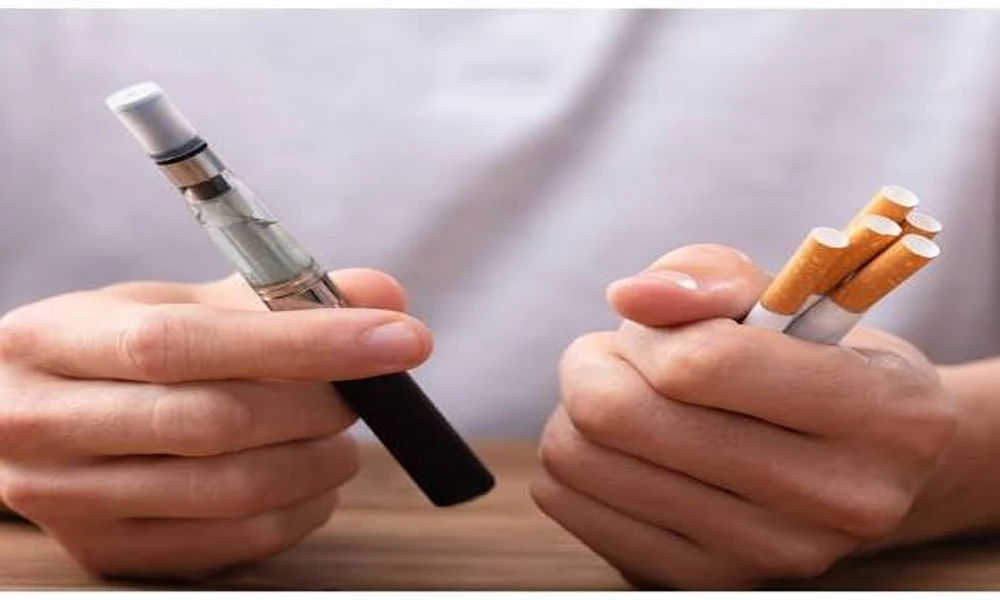
E-cigarettes first entered the market-and were aggressively promoted-as a fundamentally safer substitute for conventional combustible cigarettes, and the public largely accepted that early narrative without question. However, more than ten years of growing clinical research has since painted a far more nuanced reality: being “less harmful than traditional cigarettes” is not the same as being harmless outright. The Health Effects of Vaping represent a unique and continually evolving category of health concerns, ones that healthcare providers must fully grasp and clearly convey to their patients.
What’s Actually in E-Cigarette Aerosol?
E-cigarette aerosol isn’t simply flavored water vapor, as many users assume. It typically contains nicotine, a range of ultrafine particles, various flavoring chemicals, trace heavy metals, and volatile organic compounds – many of which already have documented respiratory and cardiovascular effects even entirely without the specific combustion byproducts found in traditional cigarette smoke. Notably, some flavoring chemicals that are generally recognized as safe for oral ingestion in food have simply never been rigorously studied for long-term inhalation safety, which represents a genuine and ongoing knowledge gap.
Short-Term Effects: EVALI and Respiratory Irritation
In the shorter term, vaping has been clearly linked to EVALI, or e-cigarette and vaping product use-associated lung injury, a serious and in some documented cases fatal respiratory condition that emerged prominently during notable outbreaks tied to certain specific vaping products and additives. Beyond the more severe EVALI cases specifically, users very commonly report throat and airway irritation, a persistent cough, and noticeable shortness of breath with regular use. Genuine long-term effects are still actively being studied, simply because e-cigarettes haven’t existed on the market long enough yet to generate the kind of multi-decade outcome data that traditional cigarettes unfortunately have.
Cardiovascular and Pulmonary Clinical Implications
Emerging research increasingly links regular vaping to measurable cardiovascular effects, including an increased resting heart rate, meaningful blood pressure changes, and vascular inflammation markers that look genuinely similar to those seen with traditional cigarette smoking. On the pulmonary side specifically, accumulating evidence points toward airway inflammation and measurably reduced lung function with sustained regular use over time. These findings directly challenge the common assumption that vaping represents some kind of cardiovascular or respiratory “safe zone” when compared directly to traditional smoking.
Youth Vaping Trends and Nicotine Addiction
Youth vaping rates have risen sharply in recent years, driven in significant part by flavored product options and increasingly discreet device designs that are easy to conceal. Because adolescent brains are especially vulnerable to nicotine’s addictive neurological effects, early vaping use raises particular clinical concern – both for the development of nicotine dependence itself and for potential lasting effects on developing brain circuitry involved in attention regulation and impulse control. This trend has made focused youth counseling an increasingly significant part of routine clinical practice.
Is Vaping an Effective Smoking Cessation Tool?
Some clinicians and public health organizations view vaping as a potential harm-reduction tool specifically for adult smokers actively trying to quit combustible cigarettes, while others caution that the actual evidence for vaping as a genuinely effective cessation method remains meaningfully mixed, and that dual use of both vaping and traditional smoking together is quite common and may substantially negate any potential benefit. This remains a genuinely legitimate area of ongoing clinical debate, and patients deserve a balanced, evidence-based conversation from their care team rather than a strongly one-sided message pushed in either direction.
Clinical Guidance for Counseling Patients Who Vape
For clinicians in practice, this means proactively asking about vaping specifically and separately from traditional smoking during routine history-taking, clearly understanding that “non-smoker” status alone doesn’t reliably rule out nicotine use or meaningful respiratory risk, and being genuinely prepared to discuss both the documented risks of vaping and the available evidence-based cessation resources, for either vaping or traditional smoking, with any patient who expresses interest in quitting.
Regulatory Oversight of Vaping Products
Regulatory oversight of vaping products has also evolved considerably since e-cigarettes first entered the market, with age restrictions, flavor limitations, and marketing rules varying by jurisdiction and shifting over time as new evidence emerges. Staying current on this changing regulatory landscape helps clinicians give patients accurate, up-to-date information rather than relying on outdated assumptions about what is or isn’t legally available, particularly for adolescent and young adult patients who may have easier access than parents or providers realize.
A Better Way to Screen for Vaping During Intake
A common clinical mistake is asking only “Do you smoke?” during intake and stopping there, which can miss vaping use entirely, especially in younger patients who may not consider vaping equivalent to “smoking” at all. A more effective approach asks about tobacco and nicotine use broadly, specifically naming vaping, e-cigarettes, and vape pens as distinct categories worth disclosing. This small wording change in a standard intake question can meaningfully improve the accuracy of a patient’s documented history and open the door to a more honest, productive conversation about nicotine use and cessation support.
Continuing Education on Vaping and Clinical Implications
The Vaping, Electronic Cigarettes, and Clinical Implications course covers the underlying physiology, documented risks, and practical clinical counseling approach in real detail, available as one of several free nursing ceus no test options addressing this fast-evolving and clinically important public health topic. As the evidence base around vaping continues to develop, staying current isn’t optional for clinicians who want to give patients accurate, genuinely helpful guidance rather than outdated assumptions carried over from when e-cigarettes first appeared on the market.

Comments are closed.