
Author

Karla Newman

Browsing

A teenager walks through the door later than expected. Their parents notice the change in mood and immediately start wondering what happened. Was alcohol involved? Was there pressure from friends? Should they ask questions now or wait until tomorrow?

Moments like this can quickly turn into an argument if fear takes over. A worried parent may start with warnings, while a teenager hears only judgment. A calmer approach can keep the conversation open and make it easier for teens to talk about alcohol honestly.

Key Takeaways

  • Talk about alcohol before a serious situation occurs.
  • Ask questions that invite conversation rather than defensiveness.
  • Explain risks without using fear or shame as the main message.
  • Help teenagers understand peer pressure and how to handle it.
  • Set clear family expectations while leaving room for honest conversations.
  • Focus on safety and decision-making rather than punishment alone.

For families already dealing with alcohol concerns at home, the conversation may also include practical safeguards for adults. Soberlink can be a part of an agreed monitoring arrangement when breath alcohol testing is being used to support sobriety and a safer family environment. That adult-focused step is separate from how parents should talk with teenagers, but both can involve the same goal: making alcohol-related situations easier to handle openly.

Start the Conversation Before You Need It

Waiting until a teenager comes home after drinking can make the first serious conversation much harder. Talking earlier gives parents a chance to explain their expectations without reacting to an immediate crisis.

The discussion does not need to become a long lecture. A simple conversation about what teenagers may see at parties, how alcohol can affect judgment, and what they can do if a friend is drinking can be enough to begin.

The aim is to make alcohol a topic they can bring up, not something that automatically triggers anger.

Ask More Than You Warn

Teenagers often shut down when every question sounds like an investigation. Asking, “Do you know anyone who has been pressured to drink?” may lead to more conversation than, “You are not drinking, are you?”

Open questions allow teenagers to share what they are seeing without feeling that they are already in trouble. Parents can ask what happens at parties, what their friends think about drinking, or what they would do if someone offered them alcohol.

Listening matters just as much as explaining. A teenager may reveal useful information simply because they feel heard.

Talk about Risk without Making Alcohol Taboo

Alcohol can affect judgment, coordination, reactions, and decision-making. Teenagers should understand these risks, but frightening them with extreme stories may not create the result parents want.

Instead, connect the discussion to situations they understand. What happens if someone gets into a car with a person who has been drinking? What could happen if a teenager loses track of how much they have consumed? What should they do if a friend becomes sick? Practical conversations can help teenagers think through choices before they face them.

Give Them a Way Out of Peer Pressure

Sometimes teenagers do not need another warning. They need a believable excuse. Parents can help them prepare simple responses before a difficult situation happens. They might say they need to leave, blame an early morning plan, call home, or stay with a friend they trust.

It can also help to establish a safety rule that allows a teenager to call for help if they feel unsafe. The details can be discussed later. Getting home safely comes first.

Keeping the Family Conversation Grounded

In households where alcohol has already caused tension, clear adult boundaries can make conversations with teenagers easier. A sobriety plan may include professional support, agreed routines, or remote alcohol monitoring. Soberlink can be used within some adult monitoring arrangements when regular breath testing is part of that plan.

The teenager does not need to become the person checking results or deciding whether an adult has followed the plan. Keeping that responsibility with adults protects the child from carrying a problem that is not theirs to solve.

Make Honesty Safer Than Hiding

The goal of an alcohol conversation is not to make teenagers afraid of making mistakes. It is to help them recognize risks, think through pressure, and know where to turn when something goes wrong.

Parents can still have firm rules. They can also make room for honest questions and uncomfortable conversations. A teenager who knows that asking for help will not automatically lead to humiliation may be more willing to speak up when it matters.

Over time, these conversations can become less about alcohol itself and more about judgment, safety, responsibility, and knowing when to ask for help.

If you’re researching legal ecstasy, one of the first questions you probably have is whether it’s safe. The short answer is that it depends on the specific product, its ingredients, and how responsibly it is manufactured. Because “legal ecstasy” is a marketing term rather than the name of a single substance, products sold under this label can vary widely.

Key Takeaways

  • “Legal ecstasy” refers to a variety of legal products, not one specific ingredient.
  • Product safety depends on ingredient transparency and quality testing.
  • Always buy from reputable brands that provide third-party lab reports.
  • Understanding local laws and proper usage is essential before purchasing.

Why the Term Can Be Misleading

Many consumers assume legal ecstasy offers the same experience as MDMA, but that’s not the case. Products marketed under this name often contain hemp-derived cannabinoids, mushroom-derived ingredients, botanicals, or other legal compounds that create entirely different effects.

This is why reading the product description and ingredient list is so important. Knowing exactly what you’re buying helps you set realistic expectations and make informed decisions.

What Makes a Product Safer?

Not all products are created equal. A trustworthy company should clearly list every ingredient and provide independent laboratory testing that verifies potency and screens for contaminants.

Choosing products with transparent labeling reduces uncertainty and allows consumers to better understand what they’re putting into their bodies. Avoid products with vague descriptions or unsupported claims.

Buying From a Trusted Source

Utoya Organics believes consumers deserve both quality and transparency. As a trusted provider of luxury wholesale hemp and mushroom-derived products, Utoya Organics offers premium collections featuring CBD, Delta 8, Delta 9, THCA, THCP, Amanita products, gummies, flowers, edibles, drinks, vapes, mushrooms, and more.

Every product category is developed with a focus on responsible sourcing, quality standards, and customer education, helping buyers make confident purchasing decisions.

Conclusion

The safety of legal ecstasy depends far more on the product than on the marketing term itself. Researching ingredients, reviewing third-party lab reports, and purchasing from reputable brands are some of the best ways to reduce risk. Taking the time to understand what you’re buying can help you make more informed and responsible choices.

Frequently Asked Questions

1. Is legal ecstasy approved as a specific product?

No. It is a general marketing term used for various legal alternatives.

2. Can two legal ecstasy products contain different ingredients?

Yes. Ingredients vary significantly between manufacturers.

3. Why are lab reports important?

They help verify potency and screen for contaminants.

4. Should I read the ingredient label?

Absolutely. Knowing what’s inside helps you make informed decisions.

5. Where should I buy legal alternatives?

Choose reputable retailers that provide transparent ingredient information and third-party testing.

This post was written by a professional at Utoya Organics. Utoya Organics is a producer, developer and manufacturer of hemp-derived products. Buy Delta 8 THC, Delta 9 THC, THCP, HHC, THC-O, CBD, CBG, CBN, and more! We formulate our own products and distribute them all over the United States with over 400 locations nationwide. Utoya specializes in cannabinoid products such as edibles, flowers, tinctures, vapes, Microdose Mushroom Gummies and more! All of our oil blends are Nano-Amplified to absorb faster (maximum bioavailability). All of our vaping products and hemp flowers are free of any solvents. No MCT, no alcohol, no vitamin E, no VG. Our cannabinoid distillates are never isolates, so it’s always golden in color and very effective. All third-party tested to meet compliance.

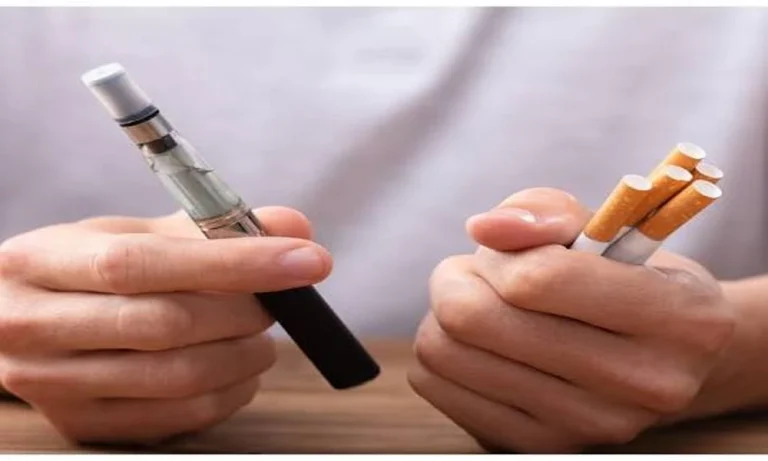
E-cigarettes first entered the market-and were aggressively promoted-as a fundamentally safer substitute for conventional combustible cigarettes, and the public largely accepted that early narrative without question. However, more than ten years of growing clinical research has since painted a far more nuanced reality: being “less harmful than traditional cigarettes” is not the same as being harmless outright. The Health Effects of Vaping represent a unique and continually evolving category of health concerns, ones that healthcare providers must fully grasp and clearly convey to their patients.

What’s Actually in E-Cigarette Aerosol?

E-cigarette aerosol isn’t simply flavored water vapor, as many users assume. It typically contains nicotine, a range of ultrafine particles, various flavoring chemicals, trace heavy metals, and volatile organic compounds – many of which already have documented respiratory and cardiovascular effects even entirely without the specific combustion byproducts found in traditional cigarette smoke. Notably, some flavoring chemicals that are generally recognized as safe for oral ingestion in food have simply never been rigorously studied for long-term inhalation safety, which represents a genuine and ongoing knowledge gap.

Short-Term Effects: EVALI and Respiratory Irritation

In the shorter term, vaping has been clearly linked to EVALI, or e-cigarette and vaping product use-associated lung injury, a serious and in some documented cases fatal respiratory condition that emerged prominently during notable outbreaks tied to certain specific vaping products and additives. Beyond the more severe EVALI cases specifically, users very commonly report throat and airway irritation, a persistent cough, and noticeable shortness of breath with regular use. Genuine long-term effects are still actively being studied, simply because e-cigarettes haven’t existed on the market long enough yet to generate the kind of multi-decade outcome data that traditional cigarettes unfortunately have.

Cardiovascular and Pulmonary Clinical Implications

Emerging research increasingly links regular vaping to measurable cardiovascular effects, including an increased resting heart rate, meaningful blood pressure changes, and vascular inflammation markers that look genuinely similar to those seen with traditional cigarette smoking. On the pulmonary side specifically, accumulating evidence points toward airway inflammation and measurably reduced lung function with sustained regular use over time. These findings directly challenge the common assumption that vaping represents some kind of cardiovascular or respiratory “safe zone” when compared directly to traditional smoking.

Youth Vaping Trends and Nicotine Addiction

Youth vaping rates have risen sharply in recent years, driven in significant part by flavored product options and increasingly discreet device designs that are easy to conceal. Because adolescent brains are especially vulnerable to nicotine’s addictive neurological effects, early vaping use raises particular clinical concern – both for the development of nicotine dependence itself and for potential lasting effects on developing brain circuitry involved in attention regulation and impulse control. This trend has made focused youth counseling an increasingly significant part of routine clinical practice.

Is Vaping an Effective Smoking Cessation Tool?

Some clinicians and public health organizations view vaping as a potential harm-reduction tool specifically for adult smokers actively trying to quit combustible cigarettes, while others caution that the actual evidence for vaping as a genuinely effective cessation method remains meaningfully mixed, and that dual use of both vaping and traditional smoking together is quite common and may substantially negate any potential benefit. This remains a genuinely legitimate area of ongoing clinical debate, and patients deserve a balanced, evidence-based conversation from their care team rather than a strongly one-sided message pushed in either direction.

Clinical Guidance for Counseling Patients Who Vape

For clinicians in practice, this means proactively asking about vaping specifically and separately from traditional smoking during routine history-taking, clearly understanding that “non-smoker” status alone doesn’t reliably rule out nicotine use or meaningful respiratory risk, and being genuinely prepared to discuss both the documented risks of vaping and the available evidence-based cessation resources, for either vaping or traditional smoking, with any patient who expresses interest in quitting.

Regulatory Oversight of Vaping Products

Regulatory oversight of vaping products has also evolved considerably since e-cigarettes first entered the market, with age restrictions, flavor limitations, and marketing rules varying by jurisdiction and shifting over time as new evidence emerges. Staying current on this changing regulatory landscape helps clinicians give patients accurate, up-to-date information rather than relying on outdated assumptions about what is or isn’t legally available, particularly for adolescent and young adult patients who may have easier access than parents or providers realize.

A Better Way to Screen for Vaping During Intake

A common clinical mistake is asking only “Do you smoke?” during intake and stopping there, which can miss vaping use entirely, especially in younger patients who may not consider vaping equivalent to “smoking” at all. A more effective approach asks about tobacco and nicotine use broadly, specifically naming vaping, e-cigarettes, and vape pens as distinct categories worth disclosing. This small wording change in a standard intake question can meaningfully improve the accuracy of a patient’s documented history and open the door to a more honest, productive conversation about nicotine use and cessation support.

Continuing Education on Vaping and Clinical Implications

The Vaping, Electronic Cigarettes, and Clinical Implications course covers the underlying physiology, documented risks, and practical clinical counseling approach in real detail, available as one of several free nursing ceus no test options addressing this fast-evolving and clinically important public health topic. As the evidence base around vaping continues to develop, staying current isn’t optional for clinicians who want to give patients accurate, genuinely helpful guidance rather than outdated assumptions carried over from when e-cigarettes first appeared on the market.

Navigating the advanced stages of Alzheimer’s disease, vascular dementia, or other cognitive impairments is one of the most profound challenges a family can face. As cognitive decline progresses, a senior’s ability to perceive hazards, communicate pain, or execute basic physical tasks diminishes. At this juncture, safety ceases to be about simple reminders-it becomes a matter of rigorous, continuous management.

While families often start their care journeys by looking into local part-time care arrangements, advanced cognitive decline typically outgrows intermittent schedules. For households looking to provide stability, transitioning to a dedicated, round-the-clock professional offers unparalleled security.

Here are six crucial ways live-in home care enhances safety and protects vulnerable seniors experiencing advanced cognitive decline.

1. Immediate Intervention for Nighttime Disorientation and “Sundowning”

Cognitive decline rarely adheres to a standard daytime schedule. Many individuals experience sundowning-a state of increased confusion, anxiety, and restlessness that begins as daylight fades. This can escalate into severe nighttime wakefulness, where a senior may wake up at 2:00 AM completely disoriented, believing they need to get dressed and go to work.

An unmonitored senior waking up in the dark faces catastrophic fall and wandering risks. A live-in caregiver sleeps in the home and is specifically present to provide immediate, gentle redirection during these midnight episodes. They can guide the senior safely back to bed, ensure pathways are lit, and eliminate the terrifying prospect of a vulnerable adult navigating a dark house alone while the rest of the family is asleep.

2. Elimination of High-Risk Wandering Elopement

Wandering is one of the most frightening behaviors associated with advanced dementia. A senior may suddenly decide they need to “go home” (even if they are sitting in their own living room) and walk out the front door. According to the Alzheimer’s Association, 60% of people with dementia will wander at least once-and if they are not found within 24 hours, the physical risks climb drastically.

Live-in care creates a secure environment without turning the home into an institutional ward. Caregivers maintain a constant, passive awareness of the senior’s movements. They ensure exterior doors are monitored and can intercept an elopement attempt immediately, transforming a potentially life-threatening situation into a calm, controlled moment of indoor redirection.

3. Proactive Fall Mitigation and Safe Transfer Monitoring

Data from the 2025 World Alzheimer Report underscores that seniors living with dementia experience injurious falls at a rate two to three times higher than their cognitively healthy peers. Cognitive decline compromises spatial awareness, balance, and depth perception. A senior may forget that they require a walker, attempting to stand up and walk across a slick floor unassisted.

Because a live-in caregiver becomes entirely attuned to the senior’s physical rhythms, they provide essential “stand-by assistance.” They are right there to steady a transition from a bed to a wheelchair, navigate tricky bathroom thresholds, and clear spontaneous trip hazards like loose blankets or misplaced footwear before an accident can occur.

4. Preventing Medication and Toxic Substance Mismanagement

In the advanced stages of cognitive decline, the ability to safely self-administer medication disappears entirely. A senior may forget they already took their morning pills and take a double dose, or skip vital cardiovascular medications altogether. Furthermore, profound cognitive confusion can impair a person’s ability to distinguish between safe items and household hazards, leading to the accidental ingestion of cleaning fluids or spoiled food.

A live-in caregiver acts as a strict inventory manager for the household. They ensure all prescription medications are securely locked away and administered precisely according to schedule. They also manage kitchen safety, keeping expired foods out of reach and monitoring appliances so stove burners are never left turned on.

5. Early Identification of Silent Medical Traumas

Seniors with advanced cognitive impairment often lose the verbal capability to articulate physical discomfort. They may be unable to state that they have a blinding headache, a localized infection, or a burning urinary tract infection (UTI). Instead, these physical ailments manifest as sudden, severe behavioral spikes-such as uncharacteristic aggression, extreme lethargy, or acute delirium.

Because a live-in caregiver works with the exact same individual day in and day out, they develop a deep baseline familiarity with the senior’s typical behaviors. They can spot a subtle shift in gait, a micro-expression of pain, or a sudden change in disposition that an intermittent visitor would miss. This allows for rapid medical intervention before a minor infection escalates into an emergency room visit.

6. Stabilizing the Environment to Prevent Panic and Agitation

For a mind experiencing advanced decline, consistency is the ultimate safety net. Drastic changes in environment or a constant rotation of unfamiliar faces can induce acute panic, paranoia, and catastrophic emotional outbursts.

While searching for standard hourly senior care near me is an excellent strategy for families managing early-to-mid-stage support, introducing multiple different rotating shift workers every week can accidentally trigger distress in advanced cases. Live-in care provides the gift of unchanging routine. By establishing a bond with one or two consistent caregivers who understand their specific quirks, favorite phrases, and calming techniques, the senior experiences a profound sense of safety rooted in absolute familiarity.

A good face wash should do two things at once: leave skin clean enough that it feels fresh, yet gentle enough that it still feels comfortable. When a cleanser is too harsh, the skin barrier can feel tight, flaky, or irritated. When it’s too mild for your skin, you may notice dullness, clogged pores, or buildup from leftover sunscreen and makeup. The best option is the one that fits your skin type, daily habits, and the climate where you live. That’s why many people explore Eminence face wash options that balance effective cleansing with a skin-friendly finish.

How to choose the right face wash

Before choosing any cleanser, consider three quick factors:

  1. Skin type: dry, oily, combination, sensitive, or mature
  2. Daily exposure: heavy sunscreen, makeup, pollution, workouts
  3. Feel after cleansing: comfortable and soft is ideal; tight or squeaky is a warning sign

A cleanser should support your routine, not undo it.

Best face wash types by skin concern

1) Cream or milk cleansers for dry and sensitive skin

Dry and sensitive skin typically does best with creamy cleansers that remove dirt without stripping natural oils. These formulas often feel soothing and leave the skin softer after rinsing. If your skin gets red easily, this can be a good starting point. Pairing a gentle cleanse with a hydrating serum afterward can improve texture and reduce that “tight” feeling.

2) Gel cleansers for oily and acne-prone skin

Gel cleansers are popular for oily skin because they feel lightweight and help remove excess oil and buildup. The key is choosing a gel cleanser that doesn’t leave your face feeling raw. Over-cleansing can cause rebound oiliness, so it’s better to cleanse thoroughly once at night and keep morning cleansing gentle.

3) Foaming cleansers for deeper refresh

Foaming cleansers can be helpful if you wear heavy sunscreen, live in a humid area, or feel greasy by midday. However, not all foams are created equal. If your skin is normal to oily, a mild foam can give you that “clean” feel without discomfort. If you’re dry or sensitive, foaming cleansers may feel too stripping unless the formula is designed to be extra gentle.

4) Exfoliating cleansers for roughness and dullness

Some face washes include mild exfoliation to help smooth the appearance of uneven texture. These can be useful if your skin feels bumpy or looks dull, but they should be used thoughtfully—usually a few times per week, not daily, especially if you’re sensitive. Overdoing exfoliation can lead to irritation and make pores look more noticeable.

The “right” way to wash your face

Even the best cleanser can underperform if it’s used incorrectly. For clear, comfortable skin:

  1. Use lukewarm water (hot water can dry the skin)
  2. Cleanse for 30–60 seconds, focusing on the hairline, nose, and jaw
  3. Avoid harsh scrubbing—use fingertips, not rough cloths
  4. Pat dry gently with a clean towel
  5. Apply hydration and moisturizer while the skin is slightly damp

If you wear makeup or water-resistant sunscreen, try a double cleanse: a first cleanse to break down product buildup, followed by a second to refresh the skin fully.

Building a simple cleanser routine

For most people:

  1. Morning: gentle cleanse (or rinse if you’re dry)
  2. Evening: thorough cleanse to remove the day

If you’re shopping for a cleanser that supports both clarity and comfort, explore the Eminence face wash selection and choose based on how your skin behaves, not just how it looks. The right cleanser makes everything else—serums, moisturizers, and masks—work better.

When people think about health, they usually picture food, exercise, sleep, and maybe a few lab results. But one of the biggest forces shaping your physical and mental health is something else entirely: your relationships.

Family, partners, close friends, and even coworkers all influence your stress levels, your habits, your sleep, and how well you follow medical advice. A life that’s “healthy but lonely” or “successful but emotionally drained” doesn’t feel good for long. Real wellbeing includes both health and relation.

How Relationships Affect Your Health (More Than You Think)

Strong, supportive relationships are like a protective layer for your body and mind:

  • Lower stress: When you feel understood and supported, your body produces less stress hormone over time.
  • Better habits: We tend to copy the people we spend time with—if they walk, cook at home, and drink less, we’re more likely to do the same.
  • Faster recovery: People with emotional support often recover better after illness or surgery because they’re not doing everything alone.
  • Mental health protection: Feeling connected is one of the best buffers against anxiety, depression, and burnout.

On the other hand, constant conflict, criticism, or silence can quietly harm your health:

  • Sleep gets worse.
  • Blood pressure and tension stay high.
  • Emotional eating or drinking may increase.
  • You might avoid checkups or treatment because you feel unsupported.

Taking relationships seriously isn’t just “nice”—it’s part of your health plan.

Step 1: Notice the “Health Tone” of Your Relationships

Not all relationships affect you the same way. A helpful exercise is to ask:

  • After I spend time with this person, do I usually feel calmer or more stressed?
  • Do they encourage my healthy habits—or push me toward the opposite?
  • Can I talk honestly about how I feel, or do I always hide parts of myself?
  • When something is wrong with my health, do they listen—or minimize it?

No relationship is perfect, and everyone has bad days. You’re simply trying to spot patterns. This helps you decide:

  • Who you can lean on when you’re going through something health-related.
  • Where you may need better boundaries.
  • Which relationships may need repair—or more distance.

Step 2: Talk About Health Before There’s a Crisis

Difficult health conversations often happen at the worst time: in emergency rooms, after scary test results, or when someone has already burned out. You can reduce a lot of stress by talking earlier.

Examples of useful early conversations:

  • With a partner:
  • “If one of us gets sick, how do we want to handle work, money, and caregiving?”
  • “What does ‘support’ look like for you when you’re not feeling well?”
  • With parents or adult children:
  • “Where do you keep your important medical documents?”
  • “Who should doctors call if there’s an emergency?”
  • With close friends:
  • “If I start withdrawing when I’m overwhelmed, I’d love if you check in with me.”

These talks don’t have to be heavy or dramatic. They can be short, honest check-ins that make future decisions much easier.

Step 3: Build Daily Habits That Support Both Health and Connection

You don’t need big gestures to strengthen relationships. Small, steady habits matter more:

  • Shared movement: Walks after dinner, weekend hikes, or stretching together while chatting.
  • Screen-free meals: Even one device-free meal a day creates space for real conversation.
  • Check-in questions: “How’s your stress level this week?” or “Anything worrying you about your health right now?”
  • Team goals: Doing a sleep challenge, step challenge, or “cook at home more” challenge together.

When health becomes a shared project instead of a solo struggle, it’s easier to stay consistent—and you both feel more connected.

Step 4: Protect Yourself With Boundaries

Some relationships drain your health more than they support it. You may notice:

  • Constant criticism about your body, weight, or choices.
  • Pressure to drink, smoke, or stay up late when you’re trying to change habits.
  • Dismissing or mocking your efforts to eat better or move more.

In those cases, boundaries are a form of self-care:

  • “I’m working hard on my sleep, so I won’t be staying up late with drinks on weeknights.”
  • “I know you see it differently, but these changes matter for my health, and I need you to respect that.”
  • “I don’t want comments about my body. Let’s talk about something else.”

You can still care about people while limiting how much their behavior affects your health.

Step 5: Organize the “Relationship Side” of Health Information

Modern life creates a lot of documents that involve both health and relationships:

  • Family medical histories
  • Caregiving plans for aging parents
  • Counseling summaries or communication worksheets from couples therapy
  • Legal documents like health proxies or power of attorney
  • Shared care plans for children with special medical needs

When these are scattered across emails, paper piles, and chat screenshots, it’s hard to coordinate as a family. A small bit of organization can reduce misunderstanding and stress.

You might:

  • Create a shared digital folder for key health and caregiving documents.
  • Keep clear copies of important papers for each person: diagnoses, medications, emergency contacts.
  • Use simple names like Mom_Medications_List.pdf, Family_Emergency_Plan.pdf, or Couples_Communication_Tools.pdf.

A browser-based tool such as pdfmigo.com can help you keep these documents clean and usable. You can combine several related files—like medical summaries, emergency contacts, and care instructions—into one easy family packet using merge PDF, then pull out just a single page or section (for example, one person’s medication list) to share with a caregiver or clinic using split PDF.

This way, everyone who needs to help can access the right information without digging through chaos.

Step 6: Use Health Challenges to Bring People Closer

Health projects don’t have to be lonely or boring. They can actually deepen relationships:

  • Start a group chat for daily step counts or water intake.
  • Share simple, affordable recipes and cook the same meal on the same night, even if you live in different places.
  • Do a “sleep better together” month where you and your partner both try to improve bedtime routines.
  • Celebrate small wins: fewer headaches, better mood, more energy, or simply showing up for walks more often.

When health progress becomes something you celebrate together, it strengthens trust and connection.

Step 7: Remember That Connection Is Medicine

It’s easy to treat relationships as “extra”—something you’ll focus on after you fix your diet, workouts, and lab numbers. But human connection is a powerful medicine:

  • It calms your nervous system.
  • It improves your motivation to take care of yourself.
  • It gives you reasons to keep going when life is hard.

You don’t need perfect relationships to benefit. You just need a few people you’re willing to be honest with, and a few small habits that keep you connected.

Taking care of your health isn’t separate from taking care of your relationships. They’re part of the same picture. When you invest in both—clear communication, realistic boundaries, shared habits, and a little organization around your shared health information—you create a life where “health and relation” support each other, instead of pulling you in opposite directions.

Enlarged pores are a common skin concern that many individuals face, often leading to frustration and self-consciousness. Understanding the causes and Enlarged pores treatments is essential for effective skincare and achieving a smoother complexion.

What Causes Enlarged Pores?

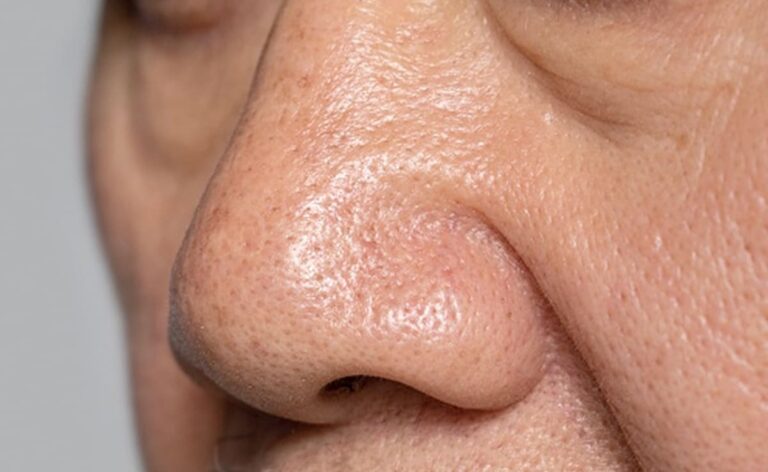
Enlarged pores can result from various factors, including genetics, excessive oil production, aging, and sun damage. Genetics plays a significant role, as some individuals are predisposed to larger pores due to their family history. Additionally, overactive sebaceous glands can lead to increased oil production, which can stretch the pores and make them more visible. As we age, the skin loses collagen and elasticity, causing the pores to appear larger. Sun damage exacerbates this process by breaking down collagen and worsening skin texture. This can be cured with the Enlarged pores treatments.

How to Identify Enlarged Pores?

Identifying enlarged pores involves visual inspection of the skin, particularly in areas where pores are more prominent, such as the nose, cheeks, and forehead. Enlarged pores often have a distinct texture, appearing larger and more noticeable compared to the surrounding skin. Pore size can also be assessed by observing how light reflects off the skin’s surface.

The Role of Skincare in Managing Enlarged Pores

Maintaining a proper skincare routine is crucial for managing enlarged pores. This includes gentle cleansing to remove excess oil and debris, exfoliation to unclog pores and promote cell turnover, moisturizing to keep the skin hydrated and balanced, and daily sun protection to prevent further damage.

Professional Treatments for Enlarged Pores

For more severe cases of enlarged pores, professional treatments may be necessary. Chemical peels, microdermabrasion, laser therapy, and microneedling are all effective options for improving skin texture and reducing face lifting.

Home Remedies and Natural Treatments

In addition to professional treatments, there are several home remedies and natural treatments that can help minimize enlarged pores. Clay masks, apple cider vinegar toner, aloe vera gel, and ice therapy are all popular choices for tightening pores and improving skin appearance.

Preventive Measures to Minimize Enlarged Pores

Preventing enlarged pores involves adopting healthy skincare habits and lifestyle choices. Consistently following a skincare routine, avoiding harsh products that can irritate the skin, protecting the skin from sun damage with sunscreen, and scheduling regular skin checks with a dermatologist are all essential preventive measures.

Understanding the causes and treatments of enlarged pores is crucial for achieving healthy, radiant skin. By implementing preventive measures and incorporating appropriate skincare techniques, individuals can effectively manage enlarged pores and improve their overall complexion.

Porcelain veneers are an excellent choice for those looking to enhance their smile. These custom-made, thin shells are designed to cover the front surface of your teeth, providing a natural and beautiful appearance. However, to maintain the longevity and beauty of your porcelain veneers, it’s crucial to follow proper care and maintenance routines. This guide will provide you with comprehensive tips on how to care for your porcelain veneers, ensuring they remain in excellent condition for years to come.

Understanding Porcelain Veneers

Porcelain veneers are crafted from high-quality ceramic material and are bonded to the front of your teeth. They are used to correct various dental issues, including discoloration, chips, gaps, and misalignment. Their popularity stems from their durability, stain resistance, and ability to mimic the light-reflecting properties of natural teeth.

Benefits of Porcelain Veneers

  1. Natural Appearance: Porcelain veneers closely resemble natural teeth, providing a seamless and attractive look.
  2. Durability: With proper care, porcelain veneers can last 10-15 years or longer.
  3. Stain Resistance: Unlike natural teeth, porcelain veneers are highly resistant to staining from coffee, tea, and other substances.
  4. Minimal Tooth Alteration: Veneers require minimal removal of the tooth structure compared to crowns.

Daily Care for Porcelain Veneers

Maintaining your porcelain veneers requires consistent and gentle oral care practices. Here are some essential daily habits to adopt:

1. Brushing

Brush your teeth at least twice a day using a soft-bristled toothbrush and non-abrasive fluoride toothpaste. Avoid using abrasive toothpaste that can scratch the surface of the veneers. An electric toothbrush can also be effective, but ensure it has a gentle setting to prevent damage.

2. Flossing

Floss daily to remove food particles and plaque from between your teeth and around your veneers. Be gentle to avoid damaging the veneers or irritating your gums. Consider using floss designed for sensitive teeth or a water flosser for a more thorough and gentle clean.

3. Rinsing

Use an alcohol-free, antimicrobial mouthwash to rinse your mouth daily. This helps reduce bacteria and maintain oral hygiene without causing dryness or irritation to the veneers.

4. Avoiding Hard Foods

While porcelain veneers are durable, they can still be damaged by excessive force. Avoid chewing on hard objects such as ice, hard candies, or pens. Cut hard foods like apples and carrots into smaller pieces to minimize the risk of chipping or cracking your veneers.

Regular Dental Visits

Routine dental check-ups are crucial for maintaining the health and longevity of your porcelain veneers. Visiting your dental clinic in Melbourne every six months for a professional cleaning and examination will help ensure your veneers and overall oral health are in top condition.

1. Professional Cleanings

Professional cleanings by a dental hygienist remove plaque and tartar buildup that regular brushing and flossing might miss. These cleanings help prevent gum disease and maintain the aesthetic appeal of your veneers.

2. Check-Ups

During your dental check-up, your dentist will examine your veneers and the underlying teeth and gums to ensure everything is healthy. They will check for any signs of damage, decay, or gum disease that could affect the longevity of your veneers.

Protective Measures

Taking additional protective measures can further ensure the durability of your porcelain veneers.

1. Mouthguards

If you grind your teeth at night (bruxism), wearing a custom-made nightguard can protect your veneers from damage. Similarly, if you play contact sports, wearing a mouthguard can prevent injuries to your teeth and veneers.

2. Avoiding Stain-Causing Substances

Although porcelain veneers are stain-resistant, it’s best to minimize exposure to stain-causing substances. Reduce consumption of coffee, tea, red wine, and tobacco products to keep your veneers looking their best.

3. Non-Smoking

Smoking can stain the natural teeth surrounding your veneers and negatively affect your oral health. Quitting smoking can help maintain the appearance of your veneers and improve overall oral health.

Managing Issues with Veneers

Despite careful maintenance, issues can sometimes arise with porcelain veneers. Here’s how to handle common problems:

1. Sensitivity

Some patients experience sensitivity to hot and cold foods and drinks after getting veneers. This sensitivity usually subsides after a few days to weeks. Using toothpaste designed for sensitive teeth can help alleviate discomfort.

2. Chips or Cracks

If a veneer chips or cracks, contact your dental clinic in Melbourne immediately. Do not attempt to repair the veneer yourself. Your dentist will assess the damage and recommend the appropriate treatment, which may include repairing or replacing the veneer.

3. Staining

While rare, some staining can occur around the edges of the veneers if oral hygiene is not maintained. Professional cleanings and good oral care practices can help prevent this issue.

The Role of Your Dental Clinic in Melbourne

Choosing the right dental clinic is vital for the success and longevity of your porcelain veneers. In Melbourne, dental clinics offer a range of services tailored to meet your cosmetic and general dentistry needs.

Expertise and Technology

Dental clinics in Melbourne are equipped with the latest technology and staffed by experienced professionals who specialize in cosmetic dentistry. This ensures that you receive high-quality care and results that meet your expectations.

Personalized Care

A good dental clinic will provide personalized care plans tailored to your specific needs and preferences. This includes a thorough examination, treatment planning, and follow-up care to ensure the best possible outcomes for your veneers.

Comprehensive Services

In addition to porcelain veneers, Melbourne dental clinics offer a wide range of services, from routine cleanings and exams to advanced cosmetic and restorative procedures. This comprehensive approach ensures that all aspects of your oral health are addressed.

Conclusion

Caring for your porcelain veneers requires a combination of diligent daily care, regular dental visits, and protective measures. By adopting these practices, you can ensure that your veneers remain beautiful and functional for many years.

Choosing a reputable dental clinic in Melbourne for your veneers and ongoing care will provide you with the expertise and support needed to maintain your enhanced smile. With proper care and professional guidance, your porcelain veneers can continue to enhance your appearance and boost your confidence for a long time.

Picosure laser treatment in Singapore offers a cutting-edge solution for those seeking advanced skin rejuvenation. This revolutionary treatment harnesses the power of picosecond technology to address a variety of skin concerns with unparalleled precision and effectiveness. Here’s everything you need to know about Picosure laser treatment in Singapore.

Unleashing the Power of Picosecond Technology

Picosure laser treatment stands out due to its unique picosecond technology. Unlike traditional lasers that operate on nanosecond pulses, Picosure uses picosecond pulses, which are one trillionth of a second. This ultrafast pulse duration allows for more precise targeting of pigment particles and skin cells without causing significant damage to surrounding tissues. The result is a more efficient and less invasive treatment with minimal downtime.

Benefits of Picosure Laser Treatment

Enhanced Skin Tone and Texture

One of the primary benefits of Picosure laser treatment in Singapore is its ability to significantly improve skin tone and texture. The laser targets and breaks down excess melanin responsible for hyperpigmentation, sunspots, and age spots. Additionally, the laser stimulates collagen and elastin production, resulting in smoother, more youthful skin.

Effective Acne Scar Reduction

Acne scars can be a persistent problem for many individuals. Picosure laser treatment is highly effective in reducing the appearance of acne scars by promoting the regeneration of healthy skin cells. The laser’s precise energy pulses penetrate deep into the skin, breaking down scar tissue and encouraging the growth of new, unblemished skin.

Tattoo Removal Excellence

Picosure laser treatment is renowned for its tattoo removal capabilities. It works by delivering ultra-short pulses of energy to shatter tattoo ink into tiny particles, which the body’s immune system then naturally eliminates. This treatment is effective on various ink colors and typically requires fewer sessions compared to traditional tattoo removal lasers.

Minimized Fine Lines and Wrinkles

The aging process often leads to the development of fine lines and wrinkles. Picosure laser treatment can effectively minimize these signs of aging by stimulating the production of collagen and elastin. The laser energy penetrates the skin’s deeper layers, promoting a natural healing response that results in firmer, more youthful skin.

Treatment of Pigmentation Issues

Picosure laser treatment in Singapore is particularly effective for treating various pigmentation issues such as melasma, freckles, and post-inflammatory hyperpigmentation. The laser’s picosecond pulses target and break down pigment particles, allowing for clearer and more even-toned skin.

How Picosure Laser Treatment Works

Picosure laser treatment utilizes picosecond technology to deliver ultra-short pulses of energy to the skin. These pulses create a photomechanical effect, shattering pigment particles and stimulating collagen production without causing thermal damage to surrounding tissues. This process promotes the body’s natural healing response, resulting in clearer, smoother, and more youthful skin.

The Photomechanical Effect

The photomechanical effect is a key feature of Picosure laser treatment. It refers to the process of using light energy to create mechanical stress on the skin’s targeted areas. This effect breaks down pigment particles and triggers the body’s natural healing mechanisms, leading to the regeneration of healthy skin cells.

Collagen and Elastin Stimulation

Picosure laser treatment also stimulates the production of collagen and elastin, essential proteins for maintaining skin elasticity and firmness. The laser’s energy penetrates the skin’s deeper layers, promoting the growth of new collagen and elastin fibers. This results in a firmer, more youthful complexion with reduced wrinkles and fine lines.

Skin Conditions Treated by Picosure Laser

Hyperpigmentation

Hyperpigmentation, including sunspots, age spots, and melasma, can be effectively treated with Picosure laser. The laser targets excess melanin in the skin, breaking it down and allowing for a more even skin tone.

Acne Scars

Picosure laser treatment is highly effective in reducing the appearance of acne scars. The laser’s energy pulses penetrate deep into the skin, breaking down scar tissue and promoting the growth of new, healthy skin cells.

Fine Lines and Wrinkles

The aging process can lead to the development of fine lines and wrinkles. Picosure laser treatment stimulates collagen and elastin production, resulting in firmer, more youthful skin.

Tattoo Removal

Picosure laser is renowned for its tattoo removal capabilities. It can effectively target and break down tattoo ink particles, allowing for more efficient removal with fewer sessions.

What to Remember About Picosure Laser Treatment

Minimal Downtime

One of the key advantages of Picosure laser treatment is its minimal downtime. Most patients experience only mild redness and swelling, which typically subsides within a few hours to a couple of days. This makes it a convenient option for those with busy lifestyles.

Safety and Precision

Picosure laser treatment is known for its safety and precision. The picosecond pulses deliver energy precisely to the targeted areas without causing significant damage to surrounding tissues. This reduces the risk of side effects and ensures a more comfortable treatment experience.

Suitable for All Skin Types

Picosure laser treatment is suitable for all skin types, including darker skin tones. The laser’s precise energy delivery minimizes the risk of hyperpigmentation and other side effects, making it a versatile option for a wide range of patients.

Consultation and Customization

Before undergoing Picosure laser treatment, it’s essential to have a thorough consultation with a qualified practitioner. They will assess your skin concerns and customize the treatment to address your specific needs. This personalized approach ensures optimal results and enhances the overall effectiveness of the treatment.

Multiple Sessions for Optimal Results

While Picosure laser treatment is highly effective, multiple sessions may be required to achieve optimal results. The number of sessions needed varies depending on the specific skin concern being treated and the individual’s skin type and condition.

Conclusion

Picosure laser treatment in Singapore offers a revolutionary solution for advanced skin rejuvenation. With its picosecond technology, the treatment provides precise targeting of skin concerns such as hyperpigmentation, acne scars, fine lines, wrinkles, and tattoos. The benefits of Picosure laser treatment include improved skin tone and texture, reduced acne scars, effective tattoo removal, and minimized signs of aging. By stimulating collagen and elastin production, Picosure laser treatment promotes a more youthful and radiant complexion. With minimal downtime, safety, and suitability for all skin types, Picosure laser treatment is an excellent choice for those seeking comprehensive skin rejuvenation.

Experience the transformative effects of Picosure laser treatment in Singapore and achieve the radiant, youthful skin you desire. Consult with a qualified practitioner to explore how this advanced technology can address your specific skin concerns and deliver remarkable results.

Welcome to our journey into the world of podiatry. Today, we are going to dive deep into choosing the right footwear to avoid foot problems. Imagine walking along the picturesque boardwalk on hammertow staten island, the cool evening breeze brushing past your face. Now, imagine experiencing this bliss without any foot aches or discomfort. That’s the gift of right footwear. Let’s uncover the secrets to choosing the perfect shoe, straight from the desk of a professional podiatrist. Buckle up and prepare to step into a world of comfort and good foot health.

Understanding Foot Anatomy

The human foot is a marvel of engineering. It’s a complex structure with 26 bones, 33 joints, and over a hundred muscles. To keep this intricate machine functioning smoothly, the right footwear is essential. Wrong shoes can lead to problems like hammertoe, bunions, and plantar fasciitis.

What Makes The Right Footwear

Every foot is unique. There’s no one-size-fits-all shoe. The perfect shoe for you depends on your foot shape, arch type, and activity level. But here are three universal rules:

  • Comfort over style: If a shoe doesn’t feel right, it isn’t right.
  • Size matters: Too big or too small can both harm your foot.
  • Quality counts: Poor quality shoes wear out faster and support less.

Shopping for Shoes

When shopping for shoes, take your time. Try on different sizes and styles. Walk around the store to get a feel for them. And remember, shoe sizes can vary between brands. So, always go by what feels comfortable, not just the size on the box.

The Impact of Right Footwear

Choosing the right shoes can have a profound impact on your foot health. It can prevent common foot problems like hammertoe. It can also reduce foot pain and discomfort. But most importantly, it can make those walks on Hammertow Staten Island even more blissful. Now, who wouldn’t want that?

Seeking Professional Help

If you’re dealing with persistent foot problems, don’t hesitate to seek professional help. A podiatrist can provide tailored advice and treatment. They can also help recommend the right footwear for your unique feet. So, if your feet are giving you trouble, remember – you’re not alone. Help is just a phone call away.

In conclusion, the right footwear is a cornerstone of good foot health. It’s more than just a fashion statement. It’s about comfort, function, and longevity. So, the next time you’re shoe shopping, keep these tips in mind. Your feet will thank you.