
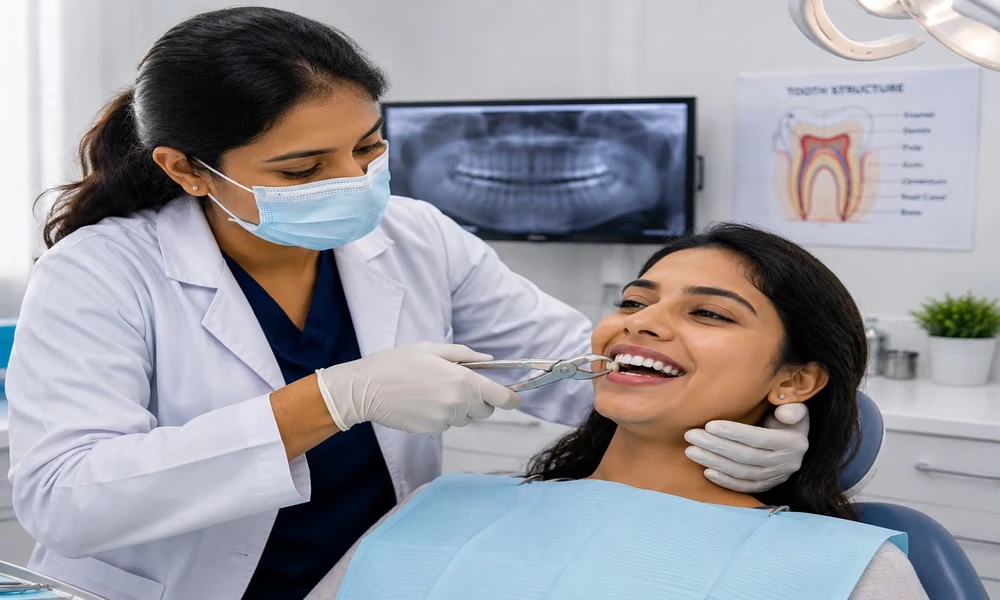
You can feel how quickly dental care turns into a power struggle. One missed brushing night becomes three, a small cavity turns into a bigger conversation, and your child may start to see the dentist as the place where they get corrected instead of encouraged. That is why finding support from a Chino children’s dental clinic can make a difference. That wears on you, especially when you are trying to build healthy habits without shame.
Children do better when they can see progress, feel ownership, and hear that effort counts. Pride grows when dental care stops feeling like punishment and starts feeling like proof that they can do hard things. That shift matters at home, and it matters in the chair at a pediatric dentist visit.
Children build dental confidence when progress feels real
A child usually does not care about plaque scores, enamel, or long term risk. They care about what they can feel and understand. If brushing means being rushed, corrected, or compared to a sibling, they may resist even more. If flossing only comes up after a problem, they learn to link oral care with failure.
The opposite is also true. When a child hears, “Your gums look healthier,” or “You remembered every night this week,” they start connecting daily effort with a result they can own. That is the heart of helping a child feel proud of dental improvement. The goal is not perfection. The goal is visible, repeatable progress.
That is why praise has to be specific. “Good job” fades fast. “You brushed along the gumline really well tonight” lands. Children trust feedback when it points to something real. They also calm down when the target is clear. They know what success looks like, and they know they can reach it again.
It helps to keep expectations age matched. A five year old may be proud of holding the brush correctly and letting you finish the hard to reach spots. An older child may be ready to track flossing, rinse after sugary snacks, and ask questions during checkups. Guidance from the CDC’s oral health tips for children can help you match daily habits to your child’s stage.
Six ways to encourage pride in dental progress
First, make progress visible. A simple chart, sticker calendar, or before and after note from a checkup gives your child something concrete to point to. “My gums bled less this week” means more than a lecture about future cavities.
Second, praise effort before outcome. If your child has a tough visit but still sits through cleaning, that counts. If they forgot one night but got back on track the next morning, that counts too. Pride grows from consistency, not from never slipping.
Third, give your child a job. Let them pick the toothbrush color, place the toothpaste on the brush, or mark their own calendar. Ownership lowers resistance because the routine starts to feel like theirs.
Fourth, talk about setbacks without blame. A cavity does not mean your child failed. It means you have new information. Shame makes kids hide. Calm problem solving keeps them engaged.
Fifth, connect dental care to comfort they understand. Cleaner teeth can mean fresher breath, less tenderness, and easier checkups. Younger children often respond better to “your mouth feels clean” than to warnings about what might happen years from now.
Sixth, use the dental visit as reinforcement, not a threat. Saying “the dentist will be upset if you do not brush” can backfire. A pediatric dentist can help your child notice progress, celebrate small wins, and set one simple goal for the next visit. Support for early oral health from HRSA’s young children oral health resources also reflects how strongly early habits shape long term outcomes.
Home support and professional dental care work better together
Parents often feel pressure to fix everything at home first. That can lead to waiting too long, especially if a child is embarrassed, sensitive, or fearful. The longer that goes on, the more dental care becomes loaded with emotion. A child who already feels behind may hear every reminder as criticism.
Professional care changes the tone because it gives you outside feedback, clear benchmarks, and practical coaching. If your child is dealing with plaque buildup, early decay, or brushing battles, a pediatric dental team can break the cycle into manageable steps. General education from MedlinePlus on child dental health can also help you explain problems in simple language your child can grasp.
| Approach | What a Child Often Feels | Likely Result |
|---|---|---|
| Only correcting mistakes | Defensive, ashamed, tired of reminders | More resistance and less honesty |
| Tracking small wins at home | Capable, noticed, motivated | Better consistency with brushing and flossing |
| Using dentist visits as a threat | Anxious, fearful, avoidant | Harder appointments and less trust |
| Using pediatric dental care as support | Guided, reassured, proud of effort | Healthier habits and calmer checkups |
Simple steps help a child take pride in oral health progress
Pick one measurable goal. Choose something your child can actually control this week, such as brushing for two minutes at night or flossing three times. One clear target works better than a long list. This is one of the best ways to support kids dental progress without turning the routine into a battle.
Use language that names improvement. Say what changed. “You remembered without being asked.” “Your back teeth were much cleaner tonight.” Children repeat what gets noticed clearly and kindly.
Bring the progress story to the next appointment. Tell the dental team what has gone better since the last visit. That gives your child a chance to hear their success reflected by another trusted adult, which strengthens child dental care motivation in a real way.
Steady encouragement makes dental pride last
Your child does not need a perfect record to feel proud. They need proof that effort matters, setbacks are survivable, and oral care is something they can learn. When you focus on small wins, speak without shame, and use pediatric dentist support as part of the plan, progress starts to feel personal. That is when habits stick.
If your child has been struggling with brushing, flossing, or confidence at dental visits, schedule an appointment with a pediatric dentist and turn the next visit into a fresh start.

Comments are closed.