Category

Dental Care

Category

You brush, you floss when you can, and then life gets busy. A little sensitivity shows up, your gums bleed one morning, or you realize it has been months since your last cleaning. That low grade worry sits in the background because most dental problems do not start with a big warning. They build quietly between appointments, which is why many people decide to visit a dentist near Westfield Valencia Town Center.

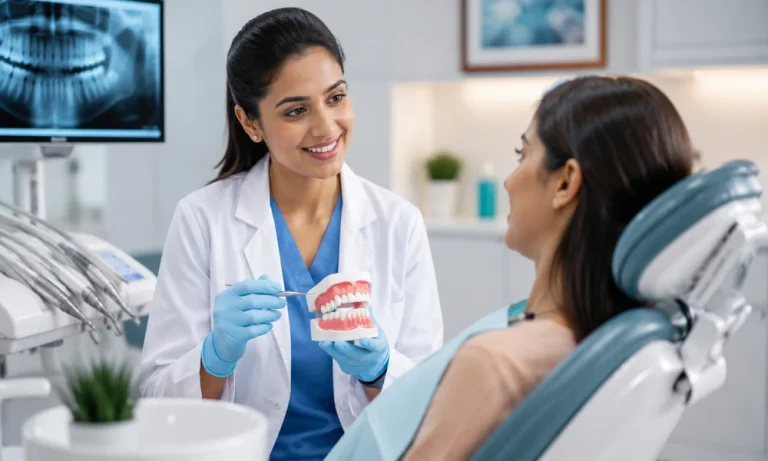
That is where How General Dentists Provide Preventive Guidance Between Visits matters most. A general dentist does more than check for cavities twice a year. Good care includes steady, practical support that helps you protect your teeth and gums at home, catch changes early, and avoid bigger treatment later. In plain terms, preventive dental guidance between visits gives you a plan for the ordinary days when oral health is really shaped.

Preventive dental guidance helps stop small problems from turning into expensive ones

Most people do not need more guilt about brushing habits. They need clear advice that fits real life. If you have crowded teeth, dry mouth, a history of cavities, gum inflammation, or dental work that traps plaque, generic tips are not enough. Your dentist can tailor home care to the way your mouth actually behaves.

That guidance may include brushing technique, floss tools that work better for your spacing, timing for fluoride use, or simple changes in diet that reduce acid attacks on enamel. Adults also benefit from trusted public health advice like these oral health tips for adults from the CDC, especially when daily routines have slipped.

The risk of doing nothing is rarely dramatic at first. It is the filling that could have been avoided, the gingivitis that becomes deeper gum trouble, or the cracked tooth that started as nighttime grinding you did not know was causing damage. Between visit support keeps those patterns from running unchecked.

General dentist preventive care often includes coaching that fits your habits and health history

General dentist preventive care is not just a reminder card for your next exam. It often includes personalized recommendations based on what your dentist sees every time you come in. If your enamel is thinning, your dentist may talk with you about acidic drinks, reflux, or aggressive brushing. If your gums are inflamed in the same areas each visit, that points to a cleaning problem that can often be fixed with a different tool or method.

Some people also need extra help because of medications, pregnancy, diabetes, or orthodontic appliances. Dry mouth is a common example. Saliva protects teeth, so when it drops, cavity risk rises fast. In that case, preventive guidance may include hydration habits, saliva substitutes, xylitol products, and more frequent fluoride support.

Fluoride is one of the clearest examples of between visit prevention. It helps rebuild weakened enamel and lowers cavity risk. The CDC’s overview of fluoride explains how it protects teeth across age groups, which matters if you have had repeated decay or sensitivity.

At home oral health support works best when advice is specific

At home oral health support sounds simple, but vague advice is easy to ignore. “Brush better” does not help much if you are using the wrong brush head, missing the gumline, or brushing right after acidic drinks when enamel is softer. Specific guidance does help. Use a soft bristled brush. Angle it toward the gumline. Clean for two minutes. Wait a bit after soda or citrus before brushing. Use interdental brushes if floss slips past the spots that actually trap food.

The National Institute of Dental and Craniofacial Research offers practical basics on oral hygiene, and those basics become much more useful when a dentist connects them to your own risks. A person with implants needs different cleaning advice than a person with no restorations. A teen with energy drink habits needs a different conversation than an older adult managing dry mouth.

Situation Between Visits Common DIY Response Preventive Guidance From a General Dentist Likely Benefit
Bleeding gums Brush less in sore areas Improve gumline cleaning, add floss or interdental brushes, check for gingivitis Less inflammation and lower risk of gum disease
Tooth sensitivity Switch toothpaste without knowing the cause Assess enamel wear, recession, grinding, diet, and fluoride needs Targeted relief and fewer missed warning signs
Frequent cavities Cut candy only Review snacking frequency, dry mouth, fluoride exposure, and brushing timing Lower decay risk through habit changes that work
Bad breath Use stronger mouthwash Look at tongue coating, gum health, dry mouth, and trapped food around dental work Better long term control instead of masking the problem

Preventive guidance between dental visits gives you steps you can use right away

Track the patterns in your mouth. Pay attention to bleeding, sensitivity, dry mouth, jaw soreness, bad breath, or food getting stuck in the same place. These details seem minor until they repeat. When you notice a pattern, write it down so you can describe it clearly at your next visit.

Ask for instructions that match your risk. If you are prone to cavities, gum issues, grinding, or dry mouth, ask your general dentist for a home care routine built around that problem. The best preventive advice is specific. Which toothpaste should you use, how often, what tool should clean between your teeth, and when should you come back?

Use between visit check ins when something changes. You do not need to wait for your next cleaning if a symptom shows up and stays. A quick call can help you sort out whether you need to be seen now, change a product, or monitor the issue. That kind of contact is part of strong prevention, not overreacting.

Steady dental prevention makes routine care more effective

Healthy teeth and gums are usually the result of small repeated habits, not one perfect appointment. Preventive guidance between visits closes the gap between professional care and daily life. It gives you a way to respond early, spend less on avoidable treatment, and feel more in control of your oral health instead of guessing.

If something feels off, reach out to a general dentist and ask for guidance before it becomes a larger problem. A simple conversation now can spare you pain, time, and cost later.

You might be feeling torn between wanting a better smile and not wanting any surprises once treatment begins. That is a common place to be. Cosmetic dental work can feel personal, expensive, and hard to picture until it is already done. When you are sitting in a chair with a dentist in San Mateo trying to imagine how whitening, bonding, veneers, or contouring may change your face, words alone often do not feel like enough.

That is where dental photography for cosmetic consultations is changing the experience. Clear, well planned images help you and your dentist see the same details, talk about the same goals, and build a treatment plan with fewer guesses. In simple terms, photos make smile planning more honest, more visual, and easier to understand.

Why can cosmetic dental photography make smile goals feel more real?

Many people walk into a general and family dentist office with a broad goal. They want their teeth to look cleaner, straighter, brighter, or more even. The hard part is that those words mean different things to different people. Your idea of a natural smile may not match what a provider assumes you want. Because of that gap, a consultation can leave you hopeful but still unsure.

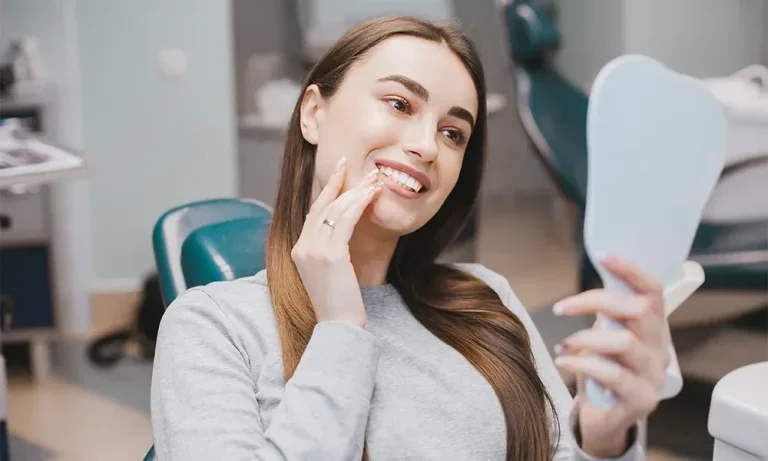
Photos close that gap. A good image captures tooth shape, gum line symmetry, lip position, facial balance, and how your smile looks at rest and in motion. When those details are visible on screen, your conversation shifts. Instead of talking in vague terms, you can point to the exact edge that looks chipped, the shade that feels too dark, or the angle that makes one tooth appear longer than the other.

So, where does that leave you as a patient? In a stronger position. You are not just hearing recommendations. You are seeing the reasons behind them. That often makes the consult feel calmer and more collaborative.

Research also supports the value of photography in esthetic planning. Rutgers’esthetic dentistry guidance explains how photographs help evaluate smile design, tooth proportions, and facial harmony before treatment begins. In other words, photos are not just for marketing or before and after albums. They are part of careful clinical planning.

What problems can happen when a cosmetic consult relies only on memory or mirrors?

Without photos, small details are easy to miss. You may glance in a mirror for a few seconds and focus only on one front tooth, while your dentist is also noticing gum display, bite wear, or uneven incisal edges. Neither of you is wrong. You are just seeing different pieces of the puzzle.

That can lead to frustration later. What if you thought the main issue was color, but the larger concern was shape? What if you expected a brighter smile, but the final result still looked “off” because the proportions were never discussed clearly? Those moments can be discouraging, especially when time and money are involved.

Smile consultation photography reduces that risk by slowing the process down. Images can be enlarged, compared side by side, and reviewed over time. They also create a record, which matters if you are considering staged treatment or want to track changes after whitening, orthodontics, or restorative work.

Clinical literature has also shown that photography supports diagnosis, communication, and treatment acceptance across dental settings. This review on dental photography describes its role in documentation, case analysis, and patient education. For patients, that often means fewer misunderstandings and a clearer sense of what is possible.

How is modern oral cosmetic consultation changing inside a general and family dentist office?

Today, many cosmetic conversations begin with a camera before they begin with tools. That may sound simple, yet it changes the tone of the visit. Instead of feeling rushed into a decision, you have a chance to study your smile from angles you do not usually see. Front view, side view, close up, and full face photos can reveal how teeth relate to your lips and overall expression.

This matters because cosmetic choices are rarely just about one tooth. Whitening may brighten the smile but also reveal older fillings that no longer match. Bonding may fix a chip but look best when paired with contouring on a nearby tooth. Veneers may improve shape, though they need careful planning so the result fits your face rather than just your teeth.

That is why oral cosmetic consults now rely more on images, mockups, and visual references. The process becomes less about selling a treatment and more about making sure your expectations and your treatment plan line up.

What should you compare before saying yes to treatment?

When you are weighing options, it helps to compare what photography adds to the consultation process rather than assuming every consult gives the same level of clarity.

Consult Approach What You Get Possible Limits Best Use
Mirror and verbal discussion only Quick overview, simple conversation, low time commitment Easy to miss details, harder to document goals, more room for mixed expectations Very minor concerns or first pass questions
Standard dental photography Clear record of color, shape, alignment, gum line, and smile balance Requires a few extra minutes and careful photo capture Whitening, bonding, veneers, reshaping, and treatment planning
Photography plus mockup or digital smile preview Visual planning with stronger patient understanding and case communication May involve added cost or additional visits depending on the case More complex cosmetic cases or high expectation smile changes

If you have ever left a consultation thinking, “I need to see it to understand it,” this table explains why visual planning matters. It gives you a more solid base for decision making.

What can you do right now if you are considering cosmetic dental work?

1. Ask how photos are used during the consult. You do not need to know camera terms. Just ask whether the office takes diagnostic images for cosmetic planning and whether those photos will be reviewed with you during the visit.

2. Bring examples, but stay open to professional feedback. If you have saved smile photos online, bring them. They help communicate taste and goals. At the same time, remember that your facial features, bite, and tooth structure are unique, so the best result is one designed for you.

3. Request a step by step explanation of what the photos show. Ask what your dentist notices first, what concerns are cosmetic versus functional, and whether treatment can be phased. That simple conversation can protect your budget and help you prioritize.

When you want confidence, could a more visual consult be the next right step?

If you are thinking about changing your smile, uncertainty is often the hardest part. Dental photos do not remove every decision, but they do make the process clearer. They help you see what your dentist sees, ask better questions, and move forward with fewer assumptions.

A thoughtful consultation with a general and family dentist should leave you feeling informed, not pressured. If cosmetic treatment is on your mind, ask for a photo based evaluation and take the time to review your options carefully. A better smile starts with a clearer view of the one you already have.