
Author

Clare Louise

Browsing

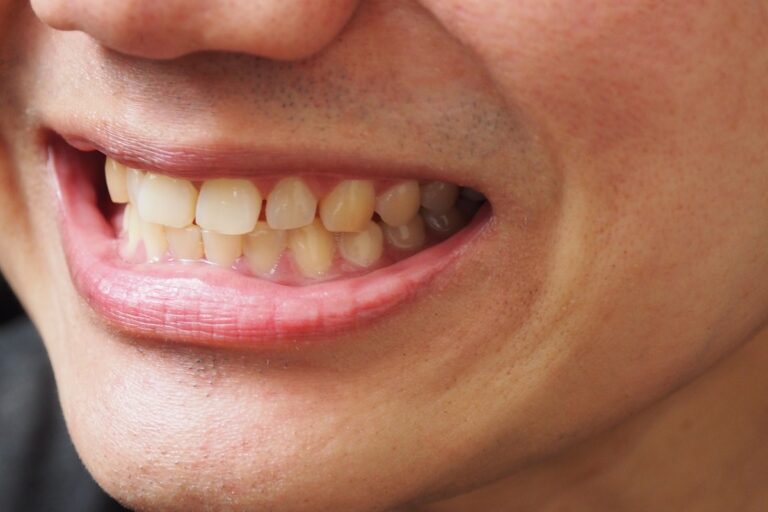
Teeth discoloration and tooth stains are common and can happen to anyone for various reasons. But the good news is that these stains are preventable and can also be treated. If you have questions about teeth discoloration and its available treatments, schedule an appointment with Dexter dental clinic today. 

What are the different types of staining? 

There are three main categories of tooth discoloration, which are: 

  • Extrinsic 

In extrinsic tooth discoloration, the staining or discoloration is only present on the teeth’ enamel or outside. These are usually caused by food and beverages or tobacco. 

  • Intrinsic 

Intrinsic tooth stains are located within the teeth and are thus more resistant to over-the-counter teeth whitening treatments. These can be caused by trauma or injury to the tooth, tooth decay, certain medicines, excessive fluoride, or genetics. 

  • Age-related 

The enamel of your teeth begins to wear away as you age and can lead to a yellowish appearance over time. 

What are the causes of tooth discoloration? 

There can be various reasons for food stains and discoloration. Some of these may be: 

  • Food
  • Beverages 
  • Tobacco 
  • Age 
  • Injuries 
  • Certain antibiotics 

What are the common causes for different colors? 

There can be different reasons for the different colors of teeth. While this is not always the case, generally, certain factors cause a certain color of the stain. 

  • Yellow 

Yellow discoloration is usually found in smokers and people who chew tobacco. This can also be the cause of some beverages like coffee, certain medications, a high-sugar diet, or poor oral hygiene. 

  • White 

A white spot is usually seen on teeth that have a cavity, and this spot may turn darker over time. White spots can also be caused by too much fluoride. 

  • Black 

Black spots or stains can be caused by certain liquid iron supplements, an advanced dental cavity, filling or crowns containing silver sulfide, etc. 

  • Purple 

People who regularly drink wine sometimes have purple undertones to their teeth. 

Should you see a dentist? 

A little bit of discoloration in teeth is not something to worry too much about. But if you have used a teeth whitening treatment and the discoloration is still present, you may need to see a dentist. Moreover, if the discoloration is only in one tooth, it may be due to a cavity or an injury, and you should seek your dentist’s help immediately. You should check up with your dentist at least twice a year for good oral health. 
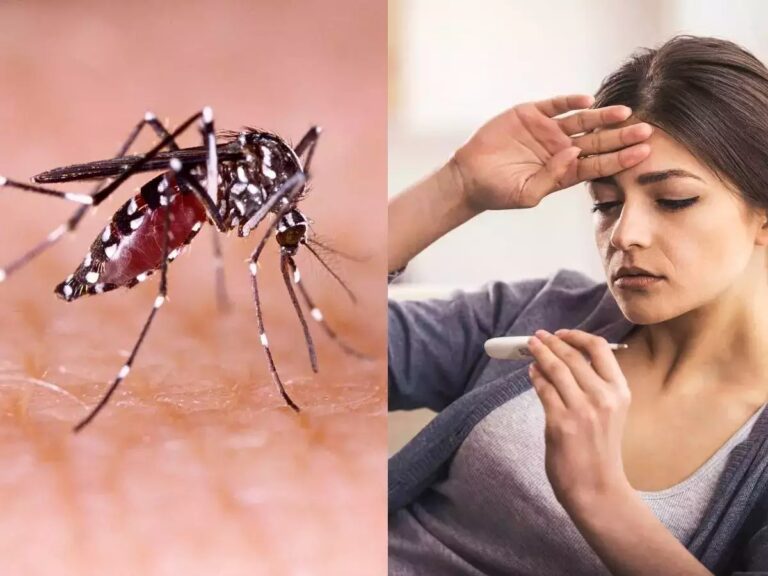
            Dengue fever is certainly not a rare occurrence and it is most common during the rainy season. Dengue is an illness transmitted by the mosquito specifically by the infected female mosquitoes of the Aedes species. A mosquito is said to be infected when a person bites a human whose body is already presented with dengue virus. The infected mosquito then bites another human and releases the dengue virus into the human body. This ongoing cycle which is quite fast makes dengue a rapid mosquito-borne viral disease that causes rise in cases of dengue fever.

             Although dengue fever is known as a viral disease, it is not considered contagious such as understanding how a flu is able to infect others. The only way a person can catch dengue is when the infected mosquitoes bite them. An infected person suffering dengue fever can easily infect other mosquitoes when the mosquitoes bite them. In a nutshell, dengue is not contagious and unable to be spread directly from one person to another.

       Dengue virus (DENV) existed in numerous forms. The most known forms causing problems and enable a person to exhibit dengue symptoms are serotypes of DENV-1, DENV-2, DENV-3 and DENV-4. The most dangerous serotypes are the DENV-2 since studies found that severe dengue is likely to happen in those with DENV-2. A person is also at risk for severe dengue if a person was previously exposed to the serotype DENV-1 and then catches serotypes DENV-2 or DENV-3.

       Although in general recovery from an infection is believed to provide a person with an immunity against the specific serotypes, cross-immunity is another different story. While other virus apart from dengue usually helps to create immunity against the same types of viruses, a person infected with such virus would not be able to fight off infections if it caused by the previous specific types or subtypes of virus. Even so, cross-immunity in this case does not pose a threat to humans.

       This is entirely different in case of dengue as cross-immunity to the other serotypes after recovery from a serotype is only partial and temporary. Future infections or secondary infections by the other serotypes increase the risk of developing severe dengue. Infection caused by more than one serotype of DENV has been known to be the major contributing factor for Dengue Haemorrhagic Fever (DHF) and Dengue Shock Syndrome (DSS), the two main forms of severe dengue.

       It is important for a person infected with dengue virus to get medical advice as soon as they spot symptoms of dengue. Dengue fever is usually suspected when a person has high grade fever that lasts for 2 to 7 days. Other symptoms that are linked with dengue fever are muscle pain (myalgia), joint pain (arthralgia), severe headaches, pain behind the eyes, skin rash and sudden bruises or bleeding from nose or gums that never happened before. Such symptoms should be a concern especially if there are known cases of dengue fever around the neighbourhood.

       There are no specific treatments to help treat dengue fever besides reducing symptoms and to help support patient’s general conditions. Cautious need to be exercised when a person shows warning signs such as severe abdominal pain, persistent vomiting, breathing difficulty and showing signs of bleeding such as vomiting blood or presence of blood in stool. When such warning signs occur, the person needs to get themselves to the nearby healthcare facility or emergency room as this can be a sign of a severe dengue. Severe dengue needs to be taken care of by medical professionals as late diagnosis and treatment may lead to life-threatening conditions and even possible death. Know about our Hajj Vaccination package.