The third molar is referred to as wisdom teeth. These teeth are problematic and cause issues for the patient. The development of wisdom teeth starts in early childhood, but they are entirely grown by 38 years of age. Often, third molars may start growing at the age of 16 to 26. Visit a dentist in San Francisco, CA, for a teeth assessment.
Wisdom teeth- An overview
If you are unsure whether your wisdom tooth is grown out, it is suggested to consider visiting a dental health rider nearby. If your gums have any irruption, it is easier to determine the presence of wisdom teeth. If you do not have similar conditions, getting a professional examination by a dentist is the only option suitable. They assess the teeth by conducting full mouth x-rays. The process may involve panoramic or CBCT scans based on the conditions. The pictures provide a proper view of the oral conditions and teeth in your mouth. With that help, you can also find out if you have wisdom teeth.
Often people tend to have four wisdom teeth. One of them might be at the backside of the upper and lower jaws. In some cases, people experience extra wisdom teeth or none at all.
Purpose of wisdom teeth
Wisdom teeth replace the molars in the front part of your teeth if they have been lost for some reason. They generally have to be pulled in cases where the molars get worn by incessant grinding of food. Wisdom teeth are useless for people who practice good dental hygiene and have strong teeth. They do not serve any specific purpose or requirement in teeth functioning.
A lot of people get their wisdom teeth erupted without any issues. However, this is highly uncommon, and a large population struggles to get their teeth removed due to the development of cysts and infections in the mouth.
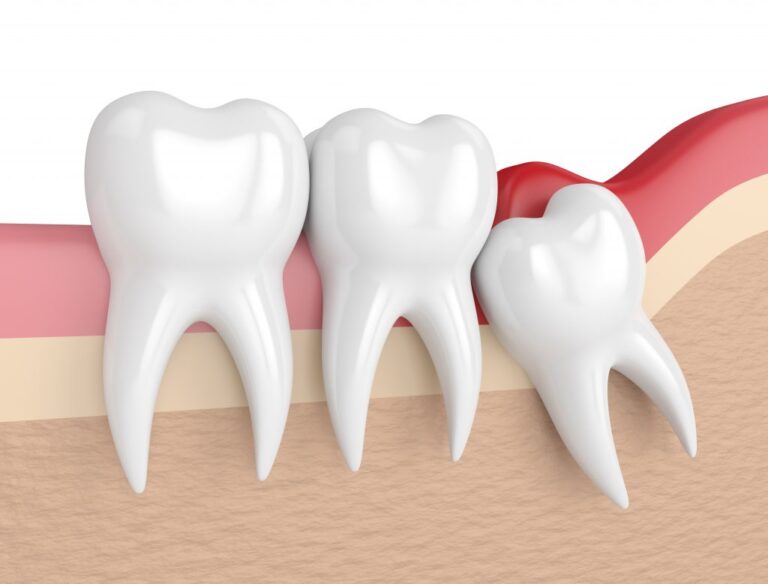
The location of wisdom teeth is also one of the leading factors in an increased rate of dental issues. They are not easily reachable, leading to the development of cavities and pudendal diseases due to improper teeth cleaning. As it is, the overall health of the teeth gets affected. That is why it is suggested to remove your wisdom teeth before any issues.
Pain caused by wisdom teeth
Many people experience severe pain in their wisdom teeth in their teenage or young adult faces. It can be due to the following reasons:
- The jaw might have swelled.
Pain in the third molar teeth is generally due to inflamed jaws or swelling in the backside. Many people tend to experience excruciating pain until the removal of wisdom teeth.
- The formation of cysts
A lot of people experience the formation of cysts in their teeth due to the pain caused by wisdom teeth. These cysts are painful and may get expanded in the bone, further worsening the issue.