Author

Hawkins Cotton

Browsing

Every morning, as the Texas sun rises, I begin my day with a clear purpose – to bring relief to those living in the shadow of persistent pain. It’s a unique calling, the life of a pain management specialist. This is not about the transient pain of a paper cut or a bruised knee. This is about relentless, chronic discomfort, the kind that gnaws at your quality of life – the joint pain Texas residents often endure. Imagine beginning each day with a grinding ache in your hips, or a relentless throb in your shoulders. These are the battles I engage in, each and every day.

Understanding the Enemy

First, it’s crucial to understand the enemy we’re dealing with. Joint pain, or arthritis, is a stealthy adversary. It creeps up silently, often without warning. One day you’re throwing a football, the next you’re nursing a sore shoulder. It’s not just a condition of the elderly – it affects the young and the healthy too. It doesn’t discriminate.

The Battle Plan

My job is to form the battle plan. This often involves a multifaceted approach. Here are the main components:

  • Diagnosis: Identifying the cause of the pain is the first step. Is it osteoarthritis? Rheumatoid arthritis? An injury?
  • Treatment: This could involve medication, physical therapy, or lifestyle changes.
  • Prevention: This includes teaching patients how to manage their condition and prevent further damage.

Victory in Small Measures

Victory in this line of work is measured in small but meaningful increments. It’s seen in the father who can now play catch with his son without wincing in pain. It’s felt in the grandmother who can now pick up her grandchild without a grimace. It’s heard in the gleeful yells of a teenager finally able to get back on the football field.

Enduring the Battle

But it’s not all victories. There are tough days too. Days when the pain seems unyielding or when the treatment doesn’t seem to work. Days when I feel like I’m losing. But then, I remember the faces of those who rely on me. Their resilience inspires me to continue the fight, to seek out new tactics and strategies. Because ultimately, this battle isn’t about me. It’s about them.

Conclusion

So, as another Texas day winds down, I find solace in the knowledge that today, I have made a difference. Today, I have eased somebody’s pain. And tomorrow, I will do it all over again. Because that’s what being a pain management specialist is all about – helping others to lead a life unburdened by joint pain. Texas sunsets, after all, are best enjoyed pain-free.

Imagine this – you wake up in the morning, but your body doesn’t feel like rising. The sharp jabs in your neck make it almost impossible to move. You’ve been experiencing this Memorial Area neck pain for a while now. It’s not just a discomfort. It’s a life-disrupting agony. You need a specialist, someone with a specific set of skills. A pain management specialist. We’re going to dive into their world. We’ll explore what it takes to become one, the training they undergo, and the qualifications they hold. Because when it hurts, you want the best person in your corner.

The Journey to Becoming a Pain Management Specialist

William Shakespeare once said that the path of true love never did run smoothly. He could’ve been talking about the journey to becoming a pain management specialist. It’s not an easy road. It demands sweat, tears, and an unending dedication. It begins with a bachelor’s degree, usually in the sciences. Next comes medical school, a four-year commitment of intense study. But that’s just the foundation.

The Rigorous Training Period

After medical school, they face the beast, residency. This is a three to seven-year period of specialized training where they learn about diagnosing and treating different types of pain. They’re not just reading about it in a book. They’re experiencing it hands-on, under the watchful eyes of experienced mentors. They get to see the real faces behind the medical terms. They witness the despair, the hope, and the gratitude. It shapes them into the professionals they become.

Board Certification – The Ultimate Goal

The climax of this journey is the board certification. It’s not mandatory, but it’s a testament to their expertise. The process involves passing rigorous exams that test their knowledge and skills in pain management. Those who pass it proudly add ‘Board Certified in Pain Management’ to their credentials. It’s a badge of honor, a mark of their commitment to alleviating pain.

The Continual Learning

But the journey doesn’t end with board certification. Pain management is a rapidly evolving field. New scientific discoveries, innovative treatment methods, and updated guidelines keep coming. Staying relevant means constantly learning and growing. It’s an ongoing process.

A Pain Management Specialist’s Role

They are not just doctors. They are the port in a storm, the beacon of hope for those grappling with chronic pain. Their role goes beyond prescribing medication. They listen, they empathize, they reassure. They guide patients through the complex maze of pain management, helping them reclaim their lives from the clutches of chronic pain. Because ultimately, that’s what it’s all about.

Imagine the sharp, shooting pain of sciatica oviedo. It’s like a lightning bolt, wreaking havoc in your lower back, coursing down your leg. You’re desperate for relief, yearning for a day without the relentless pain. That’s where I come in. I’ll be your guide, exploring the vast world of pain management. We will venture through the valleys of traditional medicine, climb the peaks of alternative therapies, and wade through the waves of new technology. Trust me, relief is on the horizon. We just need to find the right path for you.

The Journey Through Traditional Medicine

First, let’s travel the well-worn path of traditional medicine. It’s lined with familiar faces – drugs, physical therapy, and surgery. But these aren’t just any drugs. They’re powerful agents like NSAIDs, muscle relaxants, and opioids. They wage war against your pain, attacking it at its root. Physical therapy, on the other hand, strengthens your defenses. It builds up your muscles, improving their ability to support and protect your spine. Surgery is the final frontier – the holy grail when all else fails. It’s an invasive procedure, but it can potentially provide a permanent solution to your pain.

Climbing the Peaks of Alternative Therapies

Next, we ascend the peaks of alternative therapies. These aren’t your everyday solutions – they’re natural, holistic approaches like acupuncture, massage, and yoga. Acupuncture is an ancient Chinese practice wherein needles are inserted into your skin. It’s thought to balance your body’s energy and alleviate pain. Massage therapy is a hands-on technique that manipulates your muscles and other soft tissues. Yoga, meanwhile, combines physical postures, breathing exercises, and meditation. It promotes flexibility and reduces stress, helping to manage your pain.

Wading Through the Waves of New Technology

Finally, we wade through the waves of new technology. We’re talking about cutting-edge stuff – devices that use electricity, heat, cold, or sound waves to treat your pain. TENS units deliver electrical currents through your skin, interrupting pain signals before they reach your brain. Heat and cold therapy, on the other hand, relax your muscles and reduce inflammation. Ultrasound therapy uses sound waves to stimulate healing in your tissues.

In this vast world of pain management, finding the right path can seem overwhelming. But don’t worry – I’m here to guide you every step of the way. Remember, the journey of a thousand miles begins with a single step. Take that step today, and let’s find the relief you’ve been yearning for.

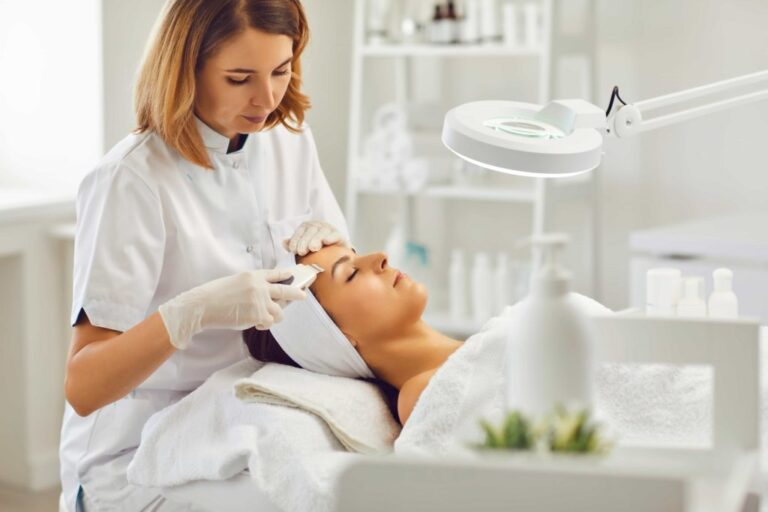
Imagine stepping into a world of tranquility at a med spa ponte vedra beach. Behind the calming music and pleasant scents, there’s a professional working tirelessly yet calmly, ensuring your visit is nothing short of perfect. This person, a Med Spa Practitioner, is an unsung hero, a blend of advisor, therapist, and friend. Their skills and qualities are the lifeblood of a successful spa experience. Today, we delve into what makes these practitioners the heartbeat of every med spa experience.

Interpersonal Skills at Its Finest

A Med Spa Practitioner is often the first point of contact for guests. A warm smile, a friendly greeting, can set the tone for the entire visit. But it’s more than just a nice demeanor. It’s about understanding, empathizing, and connecting with the guests on a deeper level. This connection can make a real difference in someone’s day – or even their life.

Knowledge is Power

Think about a time when you had a question, and the person you asked had a clear, concise answer. It made you trust them more, didn’t it? A Med Spa Practitioner needs to have a deep understanding of the treatments and products offered at the spa. This knowledge enables them to give guests accurate information and advice. This trust forms the foundation of a successful spa visit.

Attention to Detail

Ever noticed how a perfectly set table can make dinner feel more special? The same applies to a med spa visit. Cleanliness, organization, and attention to detail can transform a simple spa visit into a luxurious experience. Med Spa Practitioners keep every little detail in mind, from the temperature of your tea to the angle of your massage chair.

Professionalism and Discretion

Imagine sharing your deepest insecurities with a stranger. It takes a lot of courage, doesn’t it? A Med Spa Practitioner needs to handle these moments with utmost professionalism and discretion. Trust and confidentiality are core tenets in this role, ensuring guests can share freely without fear.

Adaptability: The Key to Success

Every guest is different, and so are their needs. One may need a relaxing massage after a hard week at work, while another may need advice on skin care. A Med Spa Practitioner needs to adapt quickly to meet these varying needs, ensuring every guest walks out feeling better than when they walked in.

In conclusion, a Med Spa Practitioner is more than just a face in the spa. They are the ones who turn your visit into an experience. Their skills and qualities play a pivotal role in making your trip to a med spa ponte vedra beach an unforgettable one. So, next time you visit, don’t forget to appreciate the unsung hero of your spa experience – your Med Spa Practitioner.

Ever wondered about the magician behind those striking cosmetic transformations? Let’s unveil that mystery. Imagine a calm, serene setting. Picture a person, confident and skilled, ready to sculpt the best version of you. This individual is the Med Spa Practitioner, the conductor of the symphony that is aesthetic medicine. They aren’t just your everyday beauty experts. Think of them as New York bioidentical hormone specialists, armed with a unique blend of medical knowledge and artistic insight. This is the role of a Med Spa Practitioner.

Aesthetic Medicine: Art, Science, or Both?

Imagine a world where medicine meets artistry. That’s the stage of a Med Spa Practitioner. They balance the grace of an artist with the precision of a surgeon. Their palate? The human body. Their masterpiece? Creating a version of you that mirrors how you feel inside.

The Skills of a Med Spa Practitioner

Dexterity, a keen eye, and a steady hand are all crucial to a Med Spa Practitioner. They match these with deep knowledge of human physiology. They understand what it takes to achieve a natural-looking result. They know the science behind aging and the art of reversing it.

The Journey to Become a Med Spa Practitioner

The path to becoming a Med Spa Practitioner isn’t a short one. It involves years of medical study, specialized training, and a lot of practice. They study the science of hormones—becoming a New York bioidentical hormone specialist, for instance. Then they blend this knowledge with the art of aesthetic medicine.

What Does a Typical Day Look Like?

Picture a day in the life of a Med Spa Practitioner. It starts with a review of the day’s appointments. Then it’s back-to-back consultations and procedures. Each patient is unique, and each treatment plan is tailored to that person’s needs and desires. It’s a non-stop orchestra of art and science.

Why Choose a Med Spa Practitioner?

With the rise of DIY beauty treatments and over-the-counter solutions, why go to a Med Spa Practitioner? The answer is simple. They bring a level of expertise and personalization that no product can match. They understand your body. They get your vision. They have the tools and the skills to make it a reality.

The Takeaway

In the end, the role of a Med Spa Practitioner is a fascinating blend of artistry and science. They are the champions of natural beauty, the conductors of the symphony that is aesthetic medicine. Their goal? To make you look as good as you feel.

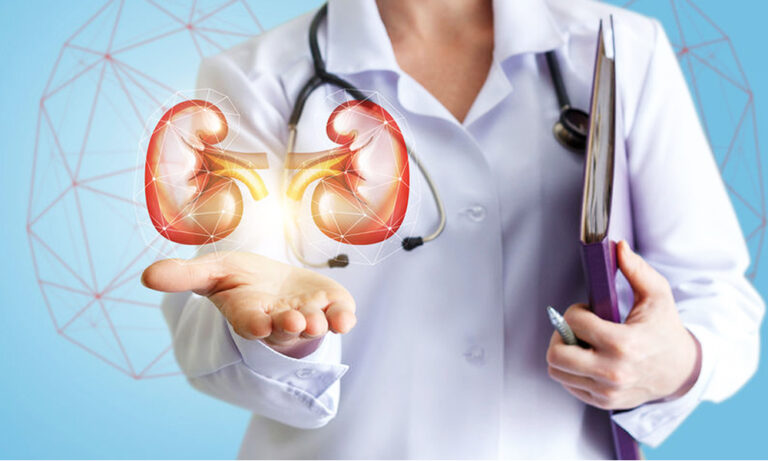
Imagine a superhero in a white coat, an unsung protagonist in the battle against kidney diseases. That’s a nephrologist. They stand on the front lines, diagnosing and treating kidney disorders like high blood pressure and kidney failure. Shrouded in the realm of dialysis and transplantation, they play an essential role. Let’s take a trip to the epicenter of this battle – Kidney Transplant Cypress. Here, nephrologists work relentlessly, bringing hope and health to countless people. They are indeed the silent guardians of our renal health. Today, we delve into their world and their role in dialysis and transplantation.

The Life-Saving Art of Dialysis

When kidneys fail, toxins build up. The body becomes a ticking time bomb. The hero enters – Dialysis. This process mimics the function of kidneys, clearing out the toxins. Nephrologists are the artists who master this life-saving art. They understand the intricacies of the dialysis machine, the subtle dance of electrolytes, and the delicate balance required to maintain life.

Transplantation: The Gift of a Second Life

The ultimate hope for someone with kidney failure is a transplant. And who better to guide this journey than our white-coated superhero? Nephrologists oversee the entire transplantation process. From finding a match to post-operative care, they are involved in every step. It’s a laborious task, filled with highs and lows, hopes and fears. But the reward? A second life. A chance to live free of machines and tubes.

Everyday Heroes at Kidney Transplant Cypress

At Kidney Transplant Cypress, nephrologists are everyday heroes. They work with passion, dedication, and relentless commitment. To them, every life is precious. Every patient is a story, a unique challenge, a chance to make a difference. They fight the silent battle against kidney disease, bringing hope where there was despair.

The Silent Guardians of Renal Health

Day in and day out, nephrologists stand guard. They monitor, they diagnose, they treat. Their weapon? Knowledge. Their shield? Empathy. They are the silent guardians of our renal health. Their mission is clear – to bring health and hope to those battling kidney disease.

So, the next time you see a nephrologist, remember – they are more than just doctors. They are the superheroes in the battle against kidney disease, the silent guardians of our renal health. They are the artists who master the art of dialysis, the guiding light in the journey towards transplantation. They are the heart and soul of centres like Kidney Transplant Cypress. And they deserve our gratitude and respect.

Imagine walking through a dense, misty forest, without a map or compass, lost and scared. That’s how it must feel for many, struggling with mental health issues, trying to navigate the confusing world of treatment options. But there’s hope. There’s a guide available who can help clear the fog and chart a path forward. That guide is a psychiatrist. Their role in mental health is like the captain of the ship, navigating the turbulent waters. They are well trained, equipped with the latest tools like ‘washington genetic testing‘ to uncover the root of mental health disorders. They help us understand ourselves, our emotions, and guide us towards healthier minds.

The Role of a Psychiatrist

A psychiatrist is a medical doctor who specializes in mental health. They are not just people you talk to. They can diagnose mental health disorders, prescribe and monitor medications, and offer psychotherapy. Psychiatrists are at the helm, guiding us through the stormy sea of Mental Health.

Genetic Testing in Psychiatry

One of the tools at a psychiatrist’s disposal is genetic testing. In Washington, genetic testing is becoming more popular in the field of psychiatry. It helps in understanding how our bodies might react to certain medications. It’s like having a cheat sheet for your body. It takes the guesswork out of prescribing medications.

Why You Might Need a Psychiatrist

Think of a time when you felt lost and scared. Now, imagine feeling like that every day, trapped in your own mind. You might be having trouble sleeping or having panic attacks. Maybe you’re feeling hopeless, or you can’t focus. These are all signs that you might need to see a psychiatrist.

Choosing the Right Psychiatrist for You

It can be overwhelming to find the right psychiatrist. There are so many out there, it’s hard to know where to start. Start by asking your primary care doctor for a recommendation. Or, use online resources to find psychiatrists in your area. Look for someone who is experienced in treating the issues you’re facing. Remember, it’s okay to shop around. It’s important to find someone you feel comfortable with.

Final Thoughts

Psychiatrists play a crucial role in mental health. They are the captains that guide us through the choppy waters of our minds. With the help of tools like genetic testing, they help us understand ourselves better. They guide us towards healthier minds and happier lives.

Imagine this – you’re stuck in a cycle of feeling self-conscious about the visible veins on your legs. You’re tired of hiding behind long clothes and yearn for the freedom to wear whatever you want. Guess what? There’s a glimmer of hope and it’s called ‘vein removal slidell‘. This isn’t some ineffective cream or a temporary solution. It’s a groundbreaking procedure happening right at the cutting edge of dermatology. This blog will delve into such innovative treatments that are not only changing the dermatology landscape but also transforming lives, starting with vein removal.

A Look at Vein Removal Slidell

Believe it or not, vein removal isn’t something from a futuristic movie. It’s real, and it’s happening right in Slidell. This procedure uses advanced laser technology to close off the problematic veins, effectively causing them to fade over time. No more embarrassment. No more hiding.

More than Just Vein Removal

While vein removal might be a game-changer, it’s not the only groundbreaking treatment in dermatology. This field is constantly evolving, and new treatments are emerging that are making a real difference to people’s lives.

Skin Rejuvenation

Next on the list is skin rejuvenation. Think about the number of times you’ve wished to have a younger-looking skin. This isn’t wishful thinking any more. With treatments such as chemical peels, microdermabrasion, and laser resurfacing, you can bid goodbye to wrinkles and hello to youthful skin.

Acne and Scar Treatments

Acne and scars can be a real pain. They don’t just affect your skin – they can also take a toll on your self-esteem. Innovative treatments like laser therapy and microneedling are helping to combat these skin problems, giving you the confidence to face the world head-on.

Non-Invasive Procedures

Lastly, let’s talk about non-invasive procedures. These treatments, which include Botox and fillers, are becoming increasingly popular due to their effectiveness and minimal downtime. They provide a quick and easy way to enhance your natural beauty without the need for surgery.

So there you have it – a glimpse into the future of dermatology. From vein removal to skin rejuvenation to non-invasive procedures, these innovative treatments are changing the face of dermatology and offering hope to those who thought they had to live with their skin conditions forever. It’s a new dawn, it’s a new day, and for many, it’s a whole new life.

Imagine an enchanting smile that brightens every room you enter. Imagine the burst of confidence that comes with it. This isn’t just a dream but a reality that cosmetic dentistry can bring to your life. This beautiful transformation isn’t limited to adults. Even our little ones can experience this magic, thanks to pediatric dentistry. The power of a radiant smile is now accessible to all.

What is Cosmetic Dentistry?

Cosmetic dentistry is the art of enhancing the appearance of your teeth. It’s not just about looks – it’s about your overall dental health. Cosmetic dentistry can correct misaligned teeth, repair damaged teeth, and even replace missing teeth. It’s about creating the perfect smile for you.

The Power of a Radiant Smile

A radiant smile can transform your life. It’s the first thing people notice about you. It can boost your confidence, lift your mood, and even make you more approachable. Just think about all the opportunities that a dazzling smile can bring!

Cosmetic Dentistry Services

There’s a wide array of cosmetic dentistry services available. Here are a few options:

  • Teeth whitening
  • Straightening of misaligned teeth
  • Replacement of missing teeth
  • Reshaping of teeth

Which service is right for you? Your dentist can guide you.

The Magic of Pediatric Dentistry Totowa

Who said that beautiful smiles were just for adults? At ‘pediatric dentistry Totowa‘, we believe that everyone deserves a stunning smile. We offer a variety of services tailored to the unique needs of children.

Why Opt for Cosmetic Dentistry?

There are plenty of reasons to opt for cosmetic dentistry. Here are three:

  • It enhances your appearance
  • It boosts your confidence
  • It improves your dental health

Remember, a healthy smile is a beautiful smile.

Conclusion

Transform your life with the power of a radiant smile. With the help of cosmetic dentistry, this isn’t just a dream but a reality. Whether you’re an adult or a child, you can experience this magic. Thanks to ‘pediatric dentistry Totowa‘, the power of a radiant smile is now accessible to all.

Early detection and precise diagnosis are crucial in Manhattan’s Upper East Side, where inhabitants place a high priority on their health and well-being. Despite the neighborhood’s top-notch medical services, some uncommon cardiac problems can go undiscovered without proper diagnostic equipment. In this blog post, we will examine how echocardiogram Upper East Side are essential for finding uncommon heart problems and ensuring that the Upper East Side people receive the best possible care.

What are uncommon heart ailments?

Less than 1% of the population is affected by rare heart problems, sometimes known as congenital heart defects or acquired cardiac diseases. These ailments may include everything, from odd electrical rhythms to structural flaws in the heart. Because of their infrequency, diagnosing them can be challenging without the use of specialized tests, such as echocardiograms.

The Role of Echocardiograms

  1. Accurate Visualization: Echocardiograms provide precise real-time images of the heart. Cardiologists can more precisely check the heart chambers, valves, and blood flow patterns because of this level of vision, which makes it simpler to spot uncommon diseases.
  2. Prompt Diagnosis: Prompt diagnosis of uncommon cardiac diseases is essential for efficient care. Echocardiograms can identify many disorders early on, frequently before the symptoms worsen. Early intervention could greatly enhance these results.
  3. Individualized Treatment Programs: After a patient’s uncommon heart ailment is identified, a unique treatment program can be created for them. With the use of echocardiograms, medical professionals can better grasp the unique traits of the ailment and adapt treatment and surgery choices according to the needs of the patient.
  4. Monitoring Progress: For patients in the Upper East Side living with rare heart conditions, regular echocardiography is essential for monitoring their progress. These tests allow healthcare providers to track any changes in the heart structure or function over time, ensuring that the treatment plan remains effective.
  5. Risk assessment: People who live in the Upper East Side frequently lead distinctive lifestyles that could provide particular hazards to heart health. By assessing these risks, echocardiograms can assist people in making educated decisions regarding their health and way of life.

Echocardiograms are crucial for the early detection of uncommon cardiac diseases in the Upper East Side, where inhabitants cherish their health and have access to some of the greatest medical facilities in the world. These noninvasive diagnostics provide a thorough understanding of the structure and operation of the heart, enabling prompt diagnosis and specialized treatment regimens.