Author

Hawkins Cotton

Browsing

Are you confused about which brace to choose? Many people like you find themselves at the crossroads of deciding between aligners and traditional brackets. You can even discuss your braces requirements with your NW Albuquerque dentist. Let’s talk about aligners and traditional brackets in this blog.

Alignment Approach

Aligners, a modern alternative, are custom-made trays that gently guide your teeth into position. Traditional brackets consist of metal or ceramic attachments glued to your teeth, connected by wires that gradually adjust your teeth’ alignment. The choice here boils down to a modern, subtle approach (aligners) versus the tried-and-true method (traditional brackets).

Comfort Considerations

When it comes to comfort, aligners take the lead. They have a smooth plastic design so that you won’t face much trouble in your cheeks and gums. On the other hand, traditional brackets may initially cause discomfort as your mouth adjusts to their presence.

Dietary Freedom

Aligners offer convenience during meals as they’re removable. Thus, you can eat all your favorite foods now! Traditional brackets require more caution – hard, sticky, and crunchy foods may need to be avoided to prevent damage.

Aesthetic Appeal

If maintaining a natural appearance during treatment is a priority, aligners are the winner here. They have a transparent design so it won’t be much visible to people around you! Traditional brackets, while noticeable, can be personalized with colorful bands for a touch of fun.

Hygiene Habits

You should focus on your mouth’s hygiene too. If you get aligners, you can remove them when you want to go for brushing or flossing. Thus, you can get to cleaning without any problems. With traditional brackets, cleaning requires more effort due to the brackets and wires, demanding specialized brushes and techniques.

Duration of Treatment

The timeline for both options is comparable. Aligners and traditional brackets generally require 6 to 18 months, depending on the complexity of your case. Aligners are replaced periodically, while traditional brackets involve regular adjustments.

Financial Facets

Your budget also matters when you want to decide on braces. Traditional brackets tend to be more budget-friendly initially but keep in mind that follow-up appointments and unexpected issues could lead to additional costs. Aligners, often considered a premium choice, may come with a higher initial price.

Final Words

If you are selecting braces, you should first research. Having all the information you need about it can help you circle down to one option. Both aligners and traditional brackets are good and come with their benefits. You need to decide between the two based on your personal opinion. 

Just because you’re able to prevent cavities or bad breath doesn’t mean that you are taking the necessary steps to prevent oral cancers. There is a very low level of awareness about oral cancers among people. These cancers may occur on your lips, tongue, and your cheeks. It can even reach your tonsils and your throat. The symptoms of these cancers vary depending on the type, and not everyone will experience noticeable symptoms. Therefore, it is very important to not ignore any recurring oral issues, and take necessary steps or cosmetic dental treatments in Burlingame on time.

Tips to avoid oral cancer: 

  • Practice good hygiene: You should brush your teeth twice a day and floss at least once a day. If bacteria get accumulated in your mouth, it will lead to infection, which may cause oral cancers. If you develop cavities in your mouth, your immune system will also get affected.
  • Avoid chewing betel nuts: The substance found in these nuts has been determined to motivate oral cancer, specifically in Asian international locations.
  • Avoid consumption of tobacco: This is one of the most important steps that you may take to avoid oral cancers. The materials present in tobacco have been discovered to be one of the major causes of oral cancers.
  • Do not smoke: Many people who reported having oral cancer were habitual smokers. Hence, when you stop smoking cigarettes, cigars, etc., you decrease your chances of developing oral cancer.
  • Exercise daily: When you engage in different workout activities, your immune system gets strong, and you put yourself at a lesser risk of getting oral cancer. You may walk, jog, cycle, swim, lift weights, etc., to enhance your inner strength.
  • Eat the right food: There are certain sorts of ingredients in some foods, like beans, berries, leafy veggies, garlic, green tea, etc., that have lots of antioxidants in them. These foods help prevent oral cancer. Along with eating healthy foods, avoid deep-fried food items.
  • Practice protected sex: Having unprotected oral sex where you exchange fluids can transmit certain bacteria that can cause oral cancer.
  • Get routine dental checkups: Usually, it is recommended that one should visit an orthodontist once every six months. However, most of us ignore the importance of such visits and put ourselves in a position of developing oral cancer.

If you develop symptoms such as soreness in the mouth, bleeding in the gums, formation of a lump in the mouth, pain that won’t go away, numbness in lips and cheeks, etc, get in touch with the dentist immediately.

Data security is of utmost importance to healthcare organizations and patients alike in the ever-changing landscape of contemporary medicine. As the sector enters the digital era, the protection of patient data has become critical to preserve patient confidence, uphold legal compliance, and guarantee the continuity of high-quality care.

However, with increasingly sophisticated and persistent cyber threats, the healthcare sector is seeing an alarming increase in data breaches. Healthcare organizations must take proactive steps to protect patient information and the integrity of healthcare data management. Awareness of the growing risks of data breaches and strategizing breach prevention is necessary.

Understanding Data Breaches in Healthcare

A data breach in the healthcare industry is defined as the unintentional or unauthorized access, use, disclosure, or loss of patient information. Numerous sensitive data types, including medical records, PII, financial information, and insurance information, may be compromised in such breaches. Data breaches can take many different shapes, including:

  •       Cyber-attacks: These hacks include external, malevolent actors breaking into healthcare networks or systems without authorization and stealing patient data by taking advantage of flaws.
  •       Insider threats: Data breaches can also be caused by the deliberate or unintentional compromise of patient information by trusted individuals working for the healthcare organization, such as staff or contractors.
  •       Physical loss or theft: Breaches can happen when physical records or devices storing patient data are misplaced, stolen, or thrown away inappropriately, allowing unauthorized access to private data.
  •     Third-party incidents: Data breaches may result from flaws in third-party systems, including those of vendors or other partners who have access to patient information.

Healthcare data may be vulnerable to breaches due to a number of factors. Healthcare systems may become exposed to cyberattacks and unauthorized access if insufficient money is invested in reliable cybersecurity infrastructure and solutions. It may be easier for bad actors to acquire unauthorized access to sensitive patient data if there are lax password regulations, no multi-factor authentication, and insufficient access controls.

Lack of cybersecurity education and awareness among healthcare personnel may also result in inadvertent data breaches, such as managing patient information improperly or falling for phishing scams. Healthcare systems are prime targets for cyberattacks because of aging infrastructure and obsolete software that may contain unpatched vulnerabilities. Lack of encryption of sensitive data during transmission and storage may also lead to unauthorized access and data leakage. 

Strategies for Preventing Data Breaches

Patients and healthcare organizations may suffer severe repercussions due to data breaches in the industry. These include compromise of patient privacy and trust and financial losses in the form of costly legal battles, regulatory penalties, and reputational damage. Data breaches in healthcare also lead to identity theft and financial fraud and pave the way for litigations and lawsuits from affected patients, authorities, and class-action groups.

Healthcare organizations must prioritize data security, implement adequate cybersecurity measures, and abide by legal obligations to protect patient information and preserve the quality of healthcare services, using the following tactics:

Implementing Robust Data Encryption and Access Controls

Sensitive data should be encrypted to prevent unauthorized individuals from accessing and using it without the encryption key. To protect patient information from potential breaches, healthcare organizations should use robust encryption mechanisms for data at rest and during transmission.

Access controls are essential for ensuring that only authorized individuals can access data. By implementing role-based access controls, you may minimize the risk of insider threats and unauthorized data access by ensuring that workers can only access information about their job functions. Data security is further improved by routinely assessing and changing access privileges based on employee roles and responsibilities.

Employee Training and Awareness of Data Security Practices

Regular training sessions on data security best practices, such as how to spot phishing attempts, how to use passwords safely, and how to handle sensitive patient data, should be offered by healthcare organizations. Employees need to be informed about the potential repercussions of data breaches and their vital responsibility to protect patient data. Creating a culture of cybersecurity knowledge encourages employees to take a proactive stance in seeing and reporting suspicious activity, supporting data security initiatives even more.

Regular Risk Assessments and Vulnerability Scans

The prevention of data breaches depends on proactive risk management. Healthcare organizations can find vulnerabilities in their systems and networks by conducting regular risk assessments and vulnerability scans. These evaluations should look at both technical and physical aspects of data security, including the risks related to network settings, employee behavior, and hardware, software, and hardware.

Healthcare organizations can find and fix security flaws before hostile actors exploit them by periodically conducting vulnerability scans. Promptly remedying vulnerabilities guarantees that the organization maintains a solid security stance.

Conclusion

A thorough and proactive approach is necessary to prevent data breaches in the healthcare industry. There are many ways to protect patient data, such as implementing robust data encryption and access controls, training staff members on best data security practices, and regularly performing risk assessments and vulnerability scans.


However, it is essential to understand that data breach prevention is a continuous process that necessitates continuing awareness and development. Healthcare organizations must keep up with new dangers due to the constantly changing nature of cyber threats and adjust their data security protocols accordingly. To maintain a strong defence against data breaches, regulations, technologies, and personnel training must be regularly updated.


It isn’t wise to ignore orthopaedic issues. Left untreated, these conditions may evolve into major complications down the road.

In fact, without professional care, there is a huge possibility of these conditions worsening with time. As they progress or worsen, you may experience chronic pain, difficulty moving, or even permanent disability.

Plus, delayed treatment can complicate the healing process. This means that your recovery may not just end up being longer. It may also be way, costlier. So, be sure to see an orthopaedic in Singapore as soon as possible if you were advised to see one!

So, what are the Signs of Orthopaedic?

You can rest assured of your body always finding a way to warn you when something is not right. But it may not be directly obvious. This is especially true when you need to see a specialist like an orthopaedic in Singapore. That said, here are the ten orthopaedic complication signs you should pay attention to.

  1. Pain That Just Won’t Quit: Persistent pain is a significant indicator of an orthopaedic problem. It could be caused by various issues, like fractures, sprains, strains, or degenerative conditions like arthritis. Ignoring ongoing pain may lead to further damage, and this may hinder your ability to perform daily activities. It may also drastically affect your quality of life. Seeking the counsel of your orthopaedic in Singapore early on can help identify the root cause and prevent complications.
  2. Swelling and Inflammation: Swelling around a joint or injured area often accompanies orthopaedic conditions. It’s your body’s natural response to injury. It is also the natural response to irritation due to the release of inflammatory substances. Inflammation can lead to pain. It may also cause stiffness, and limited mobility. Identifying the cause of swelling is essential as it may point to ligament injuries, and bursitis. It may also be indicative of joint diseases like rheumatoid arthritis.
  3. Limited Range of Motion: Difficulty moving a joint can be a sign of underlying orthopaedic issues. Reduced range of motion may result from joint inflammation, damage to cartilage or tendons, or joint misalignment. Left untreated, it can lead to muscle weakness and increased stress on other joints, exacerbating the problem.
  4. Instability and Weakness: Feeling unsteady on your feet or experiencing joint instability may indicate ligament or tendon injuries, joint dislocation, or muscle weakness. These issues can affect balance and increase the risk of falls and accidents. Ignoring joint instability may cause further damage and negatively impact your mobility and independence.
  5. Clicking, Popping, or Grinding: Unusual sounds when moving a joint, like clicking, popping, or grinding, can be alarming. These noises can result from damaged cartilage or irregular joint surfaces. Conditions like osteoarthritis or meniscus tears can produce such sounds. Identifying the source of these noises is crucial to prevent further deterioration of the joint.
  6. Numbness and Tingling: Orthopaedic conditions can sometimes compress nerves. This may lead to numbness and tingling sensations in the affected area. Conditions like carpal tunnel syndrome or herniated discs in the spine can cause these symptoms. Nerve compression can have long-term consequences if not addressed promptly, affecting sensation and muscle function.
  7. Deformities: Visible changes in the bone or joint shape are often indicative of underlying orthopaedic conditions. For instance, misaligned joints can result from conditions like scoliosis or hip dysplasia. Identifying and addressing these deformities early in life can prevent further complications and improve overall function.
  8. Difficulty Bearing Weight: If you experience pain or have difficulty putting weight on a limb, it may be due to orthopaedic issues like fractures, ligament injuries, or joint problems. Bearing weight on an injured limb can exacerbate the damage and delay healing.
  9. Recurring Injuries: Frequent occurrences of the same type of injury may suggest an underlying orthopaedic condition that requires attention. For example, recurrent ankle sprains might indicate joint instability or chronic ligament weakness. Identifying the root cause is essential to prevent repeated injuries and ensure proper rehabilitation.
  10. Limited Recovery: Slow or incomplete recovery after orthopaedic treatment, such as surgery or physical therapy, could indicate complications or inadequate healing. Factors like infection, poor surgical outcome, or underlying medical conditions may hinder recovery. Early detection and intervention can help address these issues and facilitate a smoother recovery process.

What should you expect at an Orthopaedic Appointment?

Your first visit to an orthopaedic in Singapore might feel a tad overwhelming. But you do not have to fear!

You’ll likely experience a mix of curiosity, nervousness, and hope. From filling out paperwork to meeting the doctor, it’s a chance to share your concerns with the specialist. Here are the three things you can expect at your ortho appointment;

  1. Thorough Evaluation: First things first, when you step into that orthopaedic in Singapore, get ready for a comprehensive assessment. The doctor will delve into your medical history. They will ask about your symptoms, previous injuries, and any relevant details. They’ll likely perform a physical examination. In this assessment, they may check your range of motion, strength, and stability.
  2. Diagnostic Tests: Your orthopaedic specialist may order various examinations to gather more information about your condition. X-rays, MRIs, CT scans, or blood tests are commonly used to examine bones, joints, muscles, and ligaments closely. These tests help in confirming a diagnosis. They can also be used in determining the extent of the problem and ruling out other possible causes.
  3. Treatment Plan Tailored for You: Orthopaedic conditions are unique. So the appointment will be all about finding the best treatment plan for your specific condition. Based on the diagnosis, your orthopaedic in Singapore will recommend the most suitable approach to address your issue. It could involve conservative measures like medication or physical therapy. They may also recommend assistive devices. In some cases, surgery might be necessary.

It’s a Wrap!

Recognizing the signs of orthopaedic conditions is vital for early diagnosis. They’re also vital for getting the most appropriate treatment.

So, seek medical advice from a qualified orthopaedic in Singapore if you experience any of them! A good orthopaedic specialist will efficiently guide you on the right path to recovery.

Remember, your health and well-being matter. So, take your time to find a fully qualified doctor!

If you’re in Singapore, contact us now to book your consultation. Call or visit us at:

Artisan Sports & Orthopaedics Surgery

290 Orchard Road,
Paragon Medical Centre #07-12,
Singapore 238859

https://www.artisanorthopaedics.sg/

+65 8909 8877

Frozen shoulder, also known as adhesive capsulitis, is a condition that causes pain and stiffness in the shoulder joint. This condition often develops gradually and worsens over time, making it difficult to perform daily activities that require arm movement. The condition affects about three percent of the general population, with women being more susceptible than men. The symptoms of frozen shoulder can persist for several months, and in some cases, can last for years. In this article, we will look into the causes and diagnosis of the condition as well as the frozen shoulder treatment in Singapore and prevention steps.

What causes frozen shoulder?

The shoulder joint is a ball and socket joint, which means that it is made up of a ball-shaped end of the upper arm bone (humerus) and a socket (glenoid) in the shoulder blade (scapula). A capsule, which is a connective tissue, surrounds the joint and holds everything in place. When someone has frozen shoulder, the capsule becomes thick and tight, making it difficult to move the shoulder joint.

The exact cause of frozen shoulder is not yet fully understood in the medical community, but certain factors can increase the risk of developing the condition. Frozen shoulder can occur after an injury or surgery that limits shoulder movement. People with diabetes are also at higher risk of developing frozen shoulder. Other medical conditions that can lead to frozen shoulder include heart disease, thyroid problems, and Parkinson’s disease.

Some people even develop frozen shoulder without any apparent cause. This type of frozen shoulder is known as idiopathic, and women and people over 40 years old are more likely to develop this type of frozen shoulder.

How to prevent frozen shoulder

There are some things you can do to reduce the risk of developing the condition. One way is to stay active and maintain good shoulder mobility. Regular exercise can help keep the shoulder joint flexible and prevent the capsule from becoming tight and thick. If you have a medical condition that puts you at risk for frozen shoulder, it is important to manage that condition as well. For example, people with diabetes should work to keep their blood sugar levels under control to reduce the risk of developing frozen shoulder.

How to diagnose frozen shoulder

A doctor will typically perform a physical exam and ask about the patient’s medical history and symptoms. They may also order imaging tests, such as an X-ray or MRI, to rule out other conditions that could be causing the symptoms.

During the physical exam, the doctor will check the range of motion in the shoulder joint and look for signs of stiffness and pain. They may also move the arm in different directions to see where the pain is coming from.

If you are experiencing symptoms of frozen shoulder, it is important to seek medical attention to receive an accurate diagnosis and appropriate treatment. With the right treatment, most people with frozen shoulder are able to regain full shoulder mobility and return to their normal activities.

Treatment options for frozen shoulder

There are several treatment options available for frozen shoulder, depending on the severity of the condition. In most cases, treatment involves managing the symptoms effectively.

One common treatment for frozen shoulder is physical therapy. A physical therapist can work with the patient to develop a plan that includes stretching and strengthening exercises to improve shoulder mobility and reduce pain. In some cases, doctors may recommend medications, such as nonsteroidal anti-inflammatory drugs (NSAIDs) to reduce pain and inflammation in the shoulder joint.

Physiotherapy for frozen shoulder

Exercises and manual therapy techniques are known to improve the function and mobility of the shoulder joint. A physiotherapist can work with the patient to develop a plan that includes stretching and strengthening exercises to improve shoulder mobility and reduce pain. Physiotherapy can be an effective treatment for frozen shoulder, especially when combined with other therapies such as medications and hot or cold therapy.

Relieving frozen shoulder pain through exercise and home remedies

One common exercise that can help relieve frozen shoulder pain is the pendulum exercise, where the patient stands with their feet shoulder-width apart and leans forward, using their unaffected arm to support their weight. They then swing their affected arm back and forth in a pendulum motion. Another exercise is the towel stretch. When performing this exercise, the patient holds a towel or elastic band behind their back with both hands and pulls it upward with their unaffected arm. This stretches the shoulder capsule and helps improve mobility.

In addition to medical treatment and exercise, home remedies can also alleviate the symptoms of frozen shoulder. Applying heat or cold to the affected area can help reduce pain and inflammation while a gentle massage improves circulation and reduces stiffness in the shoulder joint. Over-the-counter pain medications, such as acetaminophen or ibuprofen, can reduce pain and inflammation.

If you have been diagnosed with the condition, it is important to rest the affected arm and avoid activities that aggravate the symptoms.

Surgery for frozen shoulder

In severe cases, surgery may be necessary to treat frozen shoulder. This is usually only recommended when other treatments have failed to improve the symptoms. The most common surgical procedure for frozen shoulder is manipulation under anesthesia, where the patient is put under anesthesia and the doctor moves the arm to stretch the capsule and improve shoulder mobility. Another surgical procedure is called arthroscopic capsular release, where the doctor uses a small camera and surgical instruments to cut through the capsule and treat the affected site.

Physioactive

Camden Medical Centre #06-01 Singapore 248649

https://physioactive.sg

Phone: 6235 2347

Although it is not as extensively recognized as diabetes, heart disease, stroke, or cancer, spider veins are one of the most common health issues today, particularly among women. More than 40% of women suffer from it, and the frequency increases with age, which means that by the age of 80, more than 80% of women have varicose veins, including spider veins. 

However, in addition to the unsightly appearance and discomfort, some healthcare professionals alert individuals about the more dangerous consequences of spider veins. According to research, spider veins can be a warning indication of a potentially fatal blood clot. Speak to an expert about spider vein treatment in Newberry, SC, today. 

Varicose vs. spider veins 

One of the most important reasons not to disregard spider veins is that the average person may struggle to distinguish between spider and varicose veins. Spider veins are more cosmetic. However, varicose veins can indicate a more significant problem with the circulatory system. 

Blood clots 

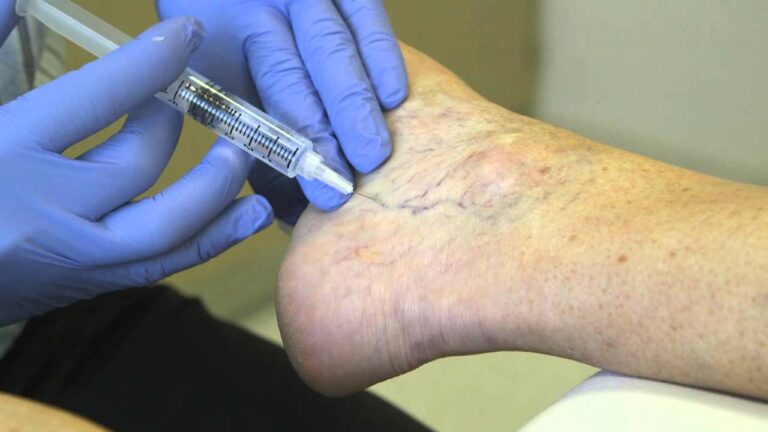
Spider veins can be an early warning indicator of issues with blood flow, such as pooling and clotting. Clots are particularly dangerous to the body since they can travel to the lungs, heart, and brain. Even if this does not happen, these issues can lead to vein disease, a life-long health condition. 

A new study appearing in the JAMA Journal found a fact that should worry women with spider veins, particularly those who are not receiving spider vein treatment. Taiwanese researchers used data from Taiwan’s National Health Insurance program to study 425,000 participants. They determined that varicose veins could be a symptom of a growing blood clot. The study also stressed that the more people with varicose veins have inflammation, the more likely they are to have blood clots. 

Ulcers 

Prolonged vein tension sets the groundwork for additional changes throughout the body. Spider and varicose veins can cause inflammation, edema, and, in the worst-case scenario, ulcers. Leg ulcers are caused by 80% of varicose veins. Moreover, a lack of ability to heal induced by long-term injury can result in non-healing ulcers and major health problems. 

Cellulitis 

Spider veins can be an early warning indication of other tissue problems, such as cellulitis, a skin infection caused by bacteria normally present on the skin. Cellulitis causes damage to the tissues, organ damage, and persistent infections, preventing the body from healing. 

Spider veins can cause several problems in the future, so do not ignore them. Consult with a doctor as soon as possible. 

Most people would agree that a smile is essential to a person’s overall appearance, which is why many people decide to straighten their teeth. However, which option is better when straightening your teeth: Invisalign or braces? Although both serve similar purposes, there are also some key differences. Talking to someone at a dental office in Drexel Hill can help you get answers to your questions and determine which options are more suited for you. 

How do braces and Invisalign work? 

Braces are made of transparent metal brackets fastened to the teeth and tightened with wires and, in certain cases, rubber bands. This gives braces a great deal of force to move teeth. Monthly adjustments and tightening of the braces are required to shift misaligned teeth into alignment. Even the most severely misaligned teeth can be corrected with braces. 

Invisalign is a series of translucent plastic trays that are rigid but flexible enough to fit over the whole dental arch. They are made using 3D scans of the patient’s teeth. New trays are provided every two weeks to gradually shift the teeth into alignment. Invisalign is most effective for minor to moderate crookedness and crowding. More severe misalignment may be corrected with Invisalign, but it takes much longer than traditional braces. 

Which is faster? 

The severity of the person’s dental and facial issues determines how much time is required to fix them. Your dentist would be able to provide a more accurate estimate of how long you would have to use braces or Invisalign based on your dental issues. However, as a rough estimate, metal braces often require 20 to 24 months, and Invisalign takes around 7 to 18 months. 

What is the price difference between braces and Invisalign? 

The cost of any treatment varies depending on the region, the specific dentist or orthodontist used for treatment, and the intricacy of the case. Before initiating any treatment, discussing the prices with your doctor is best. 

However, braces cost around $2,000 to $6,000, and Invisalign can cost anywhere between $3,000 to $7,000. 

Which one should you choose? 

The discussion of whether you require braces or Invisalign should always happen with a licensed dentist. Only a dentist can help you pick the correct option based on your teeth and dental issues. If you are trying to choose between braces and Invisalign, schedule an appointment with a dentist today. 

What happens if you don’t get dentures in Wichita Falls

If you don’t get dentures soon, you may have to go through years of discomfort and excruciating pain with your teeth decaying further and causing terrible health problems. 

Dentures, also called false teeth, are false teeth that are used by people who have missing or damaged teeth. If you don’t replace your missing teeth, you can be faced with some serious problems. You may have to start wearing full dentures or partial dentures to replace your missing teeth. A dentist can help you provide you with a suitable solution to your missing teeth.

Let us now see what happens if you don’t get dentures.

  • Increased pressure on gums and jaw

When you don’t get dentures for replacing your missing teeth, there is increased pressure on your gums causing them to recede. The bone in your jaw will also recede to make room for increased pressure on your gums. In time, this increases the possibility of developing gum disease and other oral health problems.

  • Bone loss

If you don’t get dentures, your jaw will start to recede or shrink. The bone tissue that is covering the inner surface of your jaw will slowly recede and expose the underlying bone. You may experience pain and discomfort when this occurs. Bone loss will lead to your jaw becoming weaker and more prone to fracturing. This can be very dangerous as you may have a larger chance of having an injury that may result in a severe fracture.

  • Gastrointestinal issues

Without your teeth, it may be difficult to chew your food properly. You may also have problems with your jaw dislocation. If your chewing ability is impacted, you will experience serious gastric issues, such as indigestion, acid reflux, and heartburn.

  • Reduced saliva production

When you don’t get dentures, your saliva production can reduce by as much as 50 percent, which will cause your mouth to dry and become painful. Dental problems such as gum disease will be aggravated as your body cannot fight off bad bacteria any longer.

  • Gum infection

If you don’t get dentures on time, your gums may become infected and decay around your teeth. And if not treated, an abscess can form and could cause extreme pain and discomfort. Gum infection can also cause other health problems that are serious and hard to treat.

IUI

IUI stands for Intrauterine Insemination and is commonly known as artificial insemination. It is a minimally invasive outpatient procedure. Simply put, this procedure is the placement of the partner or donor’s sperm in the woman’s uterus. The procedure is easy and comfortable. There are four phases of the procedure-

The first phase is preparation. It is important to time the IUI procedure with ovulation. The ovulation is evaluated either by at-home urine tests or ultrasound. Medications and hormone injections are often administered to help eggs mature one to two weeks before the procedure. Some women also need injections to stimulate the ovaries to release eggs on the day of the procedure.

The second phase is the collection. The semen sample from the male partner or donor is collected. The most common way of collecting of semen is when the man masturbates in a sterile container provided by the fertility doctor. The semen is then washed, which means that the sperm is separated from the seminal fluid. 

The third phase is insemination. The cervix of the woman is cleaned, and a thin tube is inserted into the vagina through the cervix. The sperm sample is then released into the uterus. The sperm sample is released thirty minutes to an hour after being processed for the best results. The woman is rested in an incline for ten to twenty minutes. The procedure is complete, and the woman can return to her daily routine.

The final phase is pregnancy. The woman takes a pregnancy test about two weeks after the procedure. If the test comes positive the woman is pregnant and if the test comes negative IUI may have to be repeated. It is not uncommon for women to take multiple IUI procedures for positive results.

IVF

In-vitro Fertilisation is one of the most common assisted reproductive technologies or ART. ‘In Vitro’ means the outside body and in this procedure, the woman’s egg and the man’s sperm are combined in a laboratory under surveillance outside the woman’s body. IVF brings the natural process of conception into the laboratories. This procedure is slightly invasive and has seven phases-

The first phase is preparation. Medical history and fertility tests of both partners are done and evaluated. Usually, the woman is put on birth control medication or estragon medications to control menstrual cycles. 

The second phase is stimulation. During a normal ovarian cycle, only a single egg matures for ovulation. In this phase, ovarian stimulation is provided through hormone medication and injectables to produce more than one mature egg. The dosage and type of ovarian stimulation depend on a case-to-case basis.

The third phase is retrieval. When the eggs mature, a thin suction device is passed through the vagina into the ovarian follicles to retrieve them. The eggs are placed in a sterile petri-dish with a special solution and placed inside an incubator. 

The fourth phase is fertilisation. Intracytoplasmic sperm injection (ISCI) is a procedure where a single sperm, from the partner or donor, is placed in each egg cell. About 70% of these will fertilise.

The fifth phase is development. The fertilised eggs start to grow and are kept under observation. About half of the fertilised eggs will become embryos to be transferred into the uterus.  

The sixth phase is the transfer. One week after fertilisation, the embryo is moved to the uterus. The cervix of the woman is cleaned, and a thin tube is inserted into the vagina through the cervix. The embryo is then released into the uterus. The other embryos are frozen for future use.

The seventh phase is pregnancy. The woman takes a pregnancy test about two weeks after the procedure. If the test comes positive the woman is pregnant and if the test comes negative the process of transfer is tried with the remaining embryos. If no embryos are left, the IVF procedure has to begin again.

IUI vs IVF

IUI is a less invasive and more natural way of conception.  It is a viable option for single women, same-sex couples, women with cervical abnormalities and males with low sperm count and reduced mobility. It is less time-consuming and less expensive than IVF. While IVF is more expensive it is more effective than IUI. IVF is the option when IUI fails to provide positive results. IVF is done when there are severe fertility problems such as blockage of fallopian tubes, ovulation disorders, uterine fibroids, and endometriosis. IVF procedure is also chosen where there are concerns about the passing of genetic disorders. In IVF the embryos can be frozen for future use.

If in India, one can consider looking for the best ivf centres in kerala as the state houses some of the best specialists.

Most people must have heard the saying, “you are what you eat.” When it comes to your oral health, this is especially true. Starchy and sugary food can increase the bacteria in your mouth and lead to tooth decay and gum diseases. It is important to take care of your oral health, including eating food that is good for your teeth. Talk to a Drexel Hill dentist to learn more. 

What foods are good for your teeth? 

Foods that can improve your smile and your overall oral health are: 

  • Fruits and vegetables rich in fiber 

The American Dental Association (ADA) states that fiber-rich foods help keep your gums and teeth clean. They also help in the flowing of saliva. Fiber-rich foods are some of the best natural defenses against cavities and gum diseases. 

  • Milk, cheese, plain yogurt, and other dairy products 

Cheese is also another amazing saliva maker. The calcium and phosphates in dairy products, such as cheese and milk, can help restore the minerals your teeth may have lost due to other foods. They also help in the rebuilding of tooth enamel. 

  • Green and black teas 

Green and black teas contain polyphenols, which interact with plaque bacteria. These substances can either hold back the bacteria or completely kill them. This prevents the growth of bacteria and prevents them from making acid that harms the teeth. 

  • Sugar-free chewing gum 

Chewing gum is another great saliva maker that can remove food particles from your mouth. However, ensure you opt for sugarless chewing gums, as sugar can be bad for your teeth. 

  • Foods containing fluoride 

Any product with fluoride, such as fluoridated water, is very helpful to the teeth. As long as they do not contain too much sugar, you could also use fluoridated water with powdered juices or dehydrated soups. Certain commercially prepared food can also provide fluoride. 

What foods should you avoid? 

Just as some foods are amazing for oral health, some can be detrimental. Some foods you should try to avoid are: 

  • Sticky candies and sweets 
  • Starchy foods can easily get stuck between your teeth or anywhere in your mouth 
  • Carbonated drinks or soft drinks 
  • Any substances or foods that dry out your mouth 

Talk to a dentist today. 

If you have any questions regarding gum diseases, oral treatments, or oral health in general, you should always seek help from a professional. Schedule a consultation with a skilled dentist near you today and get the help you deserve.