Author

James Merritt

Browsing

In the realm of maternal health, obstetricians and gynecologists perform miracles every day. They are unsung heroes, tirelessly working to ensure the safety and comfort of mothers-to-be. From routine check-ups to complex procedures like Miami essure tubal implants removal, their dedication to safeguarding mothers and babies is nothing short of extraordinary. Today, we will unravel how these professionals are revolutionizing maternal health. So, buckle up and prepare to dive into a world that balances science, empathy, and a whole lot of compassion.

Progressive Steps Towards Safer Birth Control

Consider the history of birth control. From dangerous lead-based potions in ancient times to the safer pills and implants of today. The safety and comfort of women have always been the driving force behind these innovations. The ‘Miami Essure tubal implants removal’ is a testament to this commitment. It’s a complex procedure requiring precision and care, and yet, it’s becoming a routine part of the field.

Advancements in Prenatal Care

Obstetricians and gynecologists aren’t just concentrating on birth control. Their reach extends to prenatal care as well. They are continuously finding ways to diagnose and treat complications even before a baby is born. Imagine a world where birth defects are a thing of the past. This is the world they’re working towards.

Improvements in Comfort and Safety During Childbirth

We can’t talk about maternal health without addressing childbirth. The pain and risks associated with giving birth have been a universal concern. But thanks to innovations in medicine and techniques, the process is becoming safer and more comfortable. Epidurals, for instance, have made labor a less daunting experience for many women.

Postnatal Care and Beyond

The job of an obstetrician or gynecologist doesn’t end after birth. Postnatal care is just as crucial. These professionals ensure that mothers recover well and that babies get a healthy start. They also provide support for breastfeeding and mental health, proving their dedication goes beyond the physical.

Obstetricians and gynecologists are the silent warriors in the battle for better maternal health. They are the ones pushing the boundaries, advancing techniques, and ensuring safety. And they do it all with a caring, empathetic touch. It’s time we give them the recognition they deserve.

Imagine being a vascular surgeon in the bustling Georgia Vascular Institute. Each day, you’re engrossed in a delicate dance between life and death – a dance that not only demands precision but also weighs heavy on your heart. You hold a scalpel, not a magic wand. You can’t wave it and make everything perfect. The pressure is immense, the stakes are high, and it’s not just about the technical aspects. There’s an emotional side to this role, a side often overlooked but deeply felt. This isn’t just about veins and arteries – it’s about people, their hopes, their fears, and their lives. Let’s delve into the world of a vascular surgeon and the emotional challenges they face.

The Emotional Load of a Vascular Surgeon

Imagine carrying the weight of one’s life in your hands. Place yourself in those scrubs, under bright lights, with a heartbeat echoing in your ears. It’s not just a number on the monitor – it’s the beat of a life. One wrong move and the rhythm could falter. It’s a burden that can weigh you down.

Decisions That Hold Lives

Every decision made in the operating room has implications. It’s not just about choosing the right tools or making the right surgical incision. It’s about lives hanging in the balance. Every choice can mean the difference between life and death. Imagine the stress that comes with that reality.

The Emotional Impact of Outcomes

Surgeons are humans, too. They feel joy when a surgery is successful. They’re plagued by guilt when it’s not. They carry the weight of every loss, every life they couldn’t save. It’s an emotional strain that follows them even after they’ve left the operating room.

Dealing with Patients’ Fears

Patients are scared. They’re anxious about their health, the surgery, and the outcome. They look to their surgeon for reassurance. It’s not easy to always have the right words, to always be the pillar of strength. It’s an emotional task that requires more than just medical knowledge.

Staying Strong Amidst Personal Struggles

Vascular surgeons aren’t immune to life’s challenges. They, too, have personal struggles – family issues, health problems, emotional turmoil. Yet, they’re expected to leave it all behind when they step into the operating room. It’s this need to compartmentalize, to constantly switch between personal and professional roles, that can take a toll on their emotional well-being.

Conclusion

Being a vascular surgeon at the Georgia Vascular Institute is more than just performing surgeries. It’s about dealing with the emotional challenges that come with the role. It’s about carrying the weight of decisions, dealing with outcomes, managing patients’ fears, and staying strong amidst personal struggles. It’s a delicate dance, indeed – a dance that requires not just technical prowess but also a strong emotional backbone.

Imagine waking up, feeling that all too familiar sting of Glen Rock neuropathy. The pain is relentless, gnawing at your peace of mind, and it feels like it’s there to stay. Now picture a different reality – one without this constant discomfort. That’s exactly what Pain Management Specialists do. They transform lives by effectively managing and reducing pain. This blog will delve into the techniques they use to make this transformation possible. It’s all about ditching the discomfort and welcoming relief.

Understanding Neuropathy

First, let’s dive into what neuropathy really is. In simple terms, it’s nerve damage. It can cause a myriad of symptoms – from mild tingling to crippling pain. The most common culprit? Diabetes. But don’t think it’s the only one. There are several causes – alcoholism, exposure to toxins, even some medications can trigger neuropathy.

Three Powerful Techniques

So, how do pain management clinic offer relief? Let’s explore three powerful techniques:

1. Medication: This is the first line of defense. From over-the-counter painkillers to prescription drugs, there’s a world of medicinal solutions that can help control neuropathy pain.

2. Physical Therapy: It might sound surprising, but movement can be incredibly therapeutic for neuropathy! By strengthening and stretching the muscles, physical therapy can greatly reduce nerve pain.

3. Lifestyle Changes: This one’s a bit tougher, but immensely rewarding. It’s about making healthier choices – like a balanced diet, regular exercise, and quitting habits like smoking.

Customized Treatment

Remember, there’s no one-size-fits-all approach here. Every person’s neuropathy is unique, and so is their path to relief. Pain Management Specialists work with each patient, designing a customized treatment plan that fits their lifestyle and addresses their specific symptoms.

The Road to Relief

Reading this, you might feel a surge of hope. Or perhaps a sense of skepticism. Maybe you’ve been burned before by promises of pain relief. I ask you, give these techniques a chance. They are grounded in science and practiced by professionals who genuinely want to help.

It won’t be an overnight transformation – pain management is a journey. But each step you take with your pain management specialist near me is a step away from the suffering of Glen Rock neuropathy and a step closer to a life of comfort and relief.

Are you ready to take that step?

Imagine stepping into a serene spa, the scent of eucalyptus filling the air, soft music playing in the background. Is there a fountain gently bubbling in the corner? Perhaps. You’re not in for a regular spa day though. No, you’re here for something more, something that promises to turn back the clock. Yes, you’re here for anti-aging treatments. In walks your Med Spa Practitioner, the mastermind behind these near-miraculous procedures. They are the ones who meticulously deliver treatments like east midwood dermal fillers. They are the artisans, the scientists, the magicians who erase the years away. They play an essential role, making sure you look as youthful on the outside as you feel on the inside.

The Magic Behind the Medicine

Picture a painter, carefully mixing colors to create a masterpiece. That’s your Med Spa Practitioner, but their canvas is your skin. They combine medical knowledge with an artist’s touch. Their arsenal includes treatments like botox, laser, and chemical peels.

Not Just About Vanity

It’s not just about looking good. It’s about feeling good. It’s about the confidence that comes with looking in the mirror and seeing a face that reflects how you feel inside. Your Med Spa Practitioner isn’t just working on your skin. They’re working on your self-esteem.

More Than Skin Deep

There’s a deeper level to this. Med Spa Practitioners also promote healthy practices. They encourage good skincare routines. They preach the gospel of SPF. They can even guide you on nutrition. They’re not just fixing problems, they’re preventing them.

The Science of Beauty

Beauty isn’t just in the eye of the beholder. It’s in the hands of your Med Spa Practitioner. They stay on the cutting edge of research, bringing the latest and best treatments to you. East Midwood dermal fillers, for example, are a product of this constant innovation.

The Journey to Youthfulness

The journey back to youthfulness isn’t always easy. But with a skilled Med Spa Practitioner, it’s a journey you don’t have to make alone. They’re there every step of the way, guiding you, supporting you, cheering you on. They’re not just your Practitioner. They’re your partner.

Your Best Self

At the end of the day, it’s about being your best self. It’s about feeling as good on the outside as you do on the inside. And with the help of your Med Spa Practitioner, that’s exactly what you’ll achieve.

Cannabis is like a natural wonder with many different parts. Each part has the special things it can do. THCA, Delta 9 THC, and other parts are especially important in medical and fun uses of cannabis.

This guide goes deep into these parts of cannabis, telling you about what they do and what they’re like. We also look at Delta8 gummies, which more and more people are starting to like.

Understanding THCA

Tetrahydrocannabinolic acid, or THCA, is a main part of cannabis plants before they’re processed. Some people might think that raw cannabis makes you feel “high” like marijuana, but that’s not true. Raw cannabis is mostly made up of THCA, and it doesn’t make you feel intoxicated.

Understanding Delta 9 THC

Delta 9 THC, also called Delta 9-tetrahydrocannabinol, is the main thing in cannabis that makes you feel different. It happens when THCA goes through a process called decarboxylation, often with heat.

This thing works with your body’s endocannabinoid system. It sticks to CB1 receptors in your brain and makes you feel its effects.

THCA, Delta 9 THC, and Delta 8 Gummies: A Comparative Insight

Delta 9 THC and Delta 8 THC both make you feel different, even though THCA by itself doesn’t. They have different strengths and effects. Delta 9 THC gives a strong high, while Delta 8 gives a calm and clear feeling. THCA is in cannabis plants naturally, but Delta 8 THC is made from CBD-based hemp through chemical reactions.

Key Differences Between THCA and Delta 9 THC

THCA and Delta 9 THC have different chemical structures, and this decides how they work in our bodies. Even though they come from the same plant, their effects are not the same. THCA doesn’t make you feel different unless it goes through a process called decarboxylation. Delta 9 THC, on the other hand, gives a powerful mind-altering experience.

Decarboxylation: The Transformation Process

Decarboxylation is super important in the cannabis world. It’s the process that changes THCA into the mind-altering Delta 9 THC. Heat makes this change happen, whether it’s from vaping or baking raw cannabis.

This article was written by a CBD Specialist at Uplift CBD. At Uplift CBD, we strive to provide our customers with the highest level of satisfaction by providing the best quality products.

We source our naturally occurring cannabinoids from only premium USA hemp farms. Our THCA Flower is hand-made and carefully formulated to promote a legal, safe alternative to Delta 9 marijuana. They are grown and extracted in the USA. Because our CBD products are 100% natural and derived from the non-GMO industrial hemp plant, they are legal for sale across all 50 states of the USA. Independently lab tested for purity and concentration; no other company has the quality and quantity of natural cannabinoids in our products for the same value! Shop our products today!

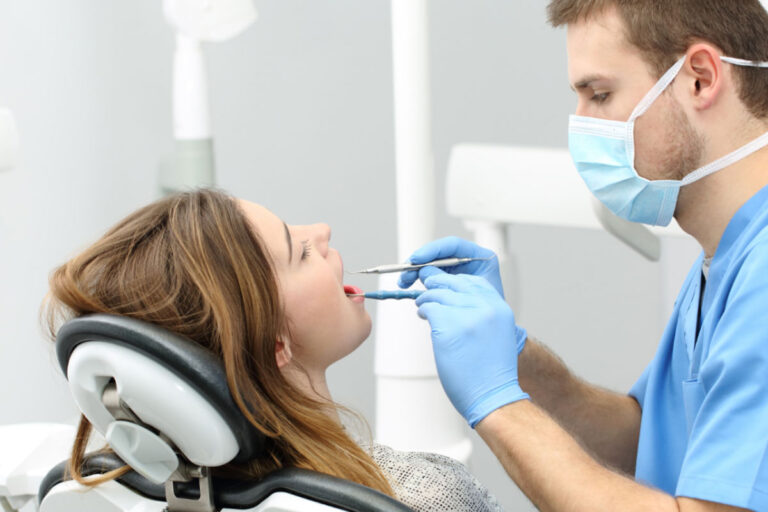
Stepping into the office of your cosmetic dentist Orlando, you might be thinking of a teeth whitening session or perhaps a veneer fitting. But within these walls, a myriad of other common procedures take place that you might not be aware of. A general dentist, especially in a bustling place like Orlando, is your first line of defense against a host of oral health issues. They are the wizards who perform a multitude of necessary procedures to keep that radiant smile on your face. Stick with me, as we delve into the intriguing variety of common procedures performed by a general dentist.

Teeth Cleaning

We’ll begin with the most common procedure – teeth cleaning. It’s more than just brushing and flossing. The dentist uses special tools to remove plaque and tartar build-up that regular home dental care can’t manage. This twice-yearly ritual helps prevent tooth decay and gum disease.

Fillings

Ever had a cavity? If so, you’ve experienced a filling procedure. The dentist drills out the decayed portion of the tooth and fills it with a material like resin or amalgam. It’s a simple, routine procedure to save the tooth from further damage.

Root Canals

When decay reaches the tooth’s nerve, a root canal becomes necessary. This procedure involves removing the nerve and pulp inside the tooth, cleaning the area, and sealing it. It sounds scary, but it actually relieves pain and saves the tooth.

Extractions

Sometimes a tooth can’t be saved and must be removed. This is common with severe decay, infection, or overcrowding. An extraction may cause temporary discomfort, but it protects your mouth from further issues.

Crowns and Bridges

When damage or decay is too extensive for a filling, a crown may be necessary. It’s a cap that covers the tooth to restore its shape, size, and function. When one or more teeth are missing, a bridge may be used. It’s a series of crowns that fill the gap and protect the surrounding teeth.

Orthodontic Treatment

Many general dentists also offer orthodontic treatments. This includes braces and aligners to correct teeth alignment and bite issues. It’s not just for kids – adults can benefit too!

So there you have it. Your general dentist is a master of many skills, all aimed at keeping your teeth healthy and your smile bright. Next time you visit your cosmetic dentist Orlando, remember, they do much more than just make your teeth look good. They help ensure your oral health for a lifetime of beautiful smiles.

Differentiating a Periodontist from a Regular Dentist: What You Need to Know

Imagine this: You’re sitting in your dentist’s chair, mouth wide open and you hear the words ‘gum disease.’ Your heart skips a beat. Suddenly, an array of questions flood your mind. Do I need to see a specialist? What’s a periodontist? How are they different from my regular dentist? Don’t worry, I’m here to clear your doubts. This blog post will help you understand the difference between a periodontist and your regular dentist, and why this distinction is crucial when dealing with Monterey gum disease.

Unmasking Gum Disease

Think of gum disease as a silent enemy. It sneaks up on you. It slowly and steadily damages your gums and teeth. It’s more than just a simple toothache. It’s a serious condition that requires expert attention.

Regular Dentist vs Periodontist

Your regular dentist is like your general health doctor. They look at everything. They clean teeth, fill cavities, and make your smile shine. A periodontist, on the other hand, is like a heart specialist. They focus solely on gum diseases like gum disease and dental implants.

When to See a Periodontist

If you’re dealing with persistent gum pain, bleeding, or loose teeth, it’s time to see a periodontist. They have the special training and expertise to treat advanced gum disease.

The Special Skills of a Periodontist

A periodontist has three extra years of training after dental school. They understand the complex nature of gum diseases. They are experts at saving teeth, something essential when dealing with challenging conditions like gum disease.

Wrapping Up

Gum disease is not something you can ignore or delay. It’s a serious condition. But with the right care from a trained periodontist, you can win the battle against it. Remember, your health is in your hands. Make the right choice, choose a periodontist when battling gum disease.

PRP therapy, a cutting-edge treatment, has gained official approval in numerous countries, including the United States.

The FDA has sanctioned PRP treatments and products, such as the Class II Certified Plasma Fresh PRP extraction kit.

What is PRP?

Platelet-Rich Plasma (PRP), involves concentrating healing platelets from a blood sample using specialized kits like Plasma Fresh through centrifugation.

Administered with professional-grade equipment, the therapeutic plasma taps into the body’s innate healing capacities.

Plasmolifting, championed by Plasmolifting World, emerges as a valuable option, stimulating tissue growth, repair, and regeneration to effectively expedite recovery after injuries.

It is recognized for supplying advanced Plasmolifting Tubes, contributing to over 10 million successful treatments worldwide.

Many uses of PRP

In the field of orthopaedics, PRP is commonly employed to address a range of ailments and injuries.

Some examples include:

1. Arthritis

Arthritis, impacting nearly 60 million Americans, is a degenerative joint disorder characterized by damaged joint surfaces, heightened inflammation, and substantial pain.

PRP is extensively employed in arthritis treatment to mitigate inflammation and foster the natural repair of damaged cartilage.

Additionally, PRP shows promise in slowing arthritis progression, potentially delaying or obviating the necessity for joint surgery.

2. Elbow and ankle tendon injuries

Tendons, resilient fibrous bands linking muscles to bones, can suffer inflammation or irritation from overuse or repetitive injuries like tennis elbow, golfer’s elbow, and Achilles tendinitis.

PRP emerges as a particularly beneficial treatment for such conditions, aiding in the healing process and providing relief from the associated discomfort and inflammation.

3.  Soft tissue injuries

Muscle strains often lead to acute and persistent pain. PRP injections play a vital role in repairing strained or irritated muscle tissue, facilitating a smoother and more comfortable range of motion.

This intervention proves beneficial in alleviating discomfort associated with muscle injuries, promoting effective healing and improved mobility.

4. Rotator cuff injuries

Rotator cuff tears, prevalent in individuals engaged in lifting, throwing, or repetitive shoulder use, contribute to shoulder pain.

PRP plays a crucial role in repairing and rejuvenating damaged rotator cuff tendons and muscles, offering relief from pain and restoring normal shoulder movement.

Beyond orthopaedics, PRP finds applications in hair replacement, oral surgery, and cosmetic treatments, combating the effects of aging and promoting healing in various medical and aesthetic contexts.

PRP procedure: What to expect

The PRP treatment initiates with a straightforward blood draw, extracting a minimal amount for processing. Employing a specialized device, doctors separate the plasma and platelets from the blood, purifying this potent combination.

The refined platelet-plasma mixture is then skilfully injected into the targeted treatment site. Post-treatment, there is no downtime, accompanied by specific recovery instructions to expedite healing.

While some initial discomfort in the treated area is normal immediately after the injection, it typically subsides within a few days.

Conclusion

PRP therapy, endorsed by the FDA, utilizes Platelet-Rich Plasma extracted through advanced kits like Plasma Fresh.

With over 10 million successful treatments, PRP addresses orthopaedic issues like arthritis, tendon injuries, muscle strains, and rotator cuff injuries.

Beyond orthopaedics, it finds applications in diverse medical fields. The procedure involves a simple blood draw, and the refined platelet-plasma mixture is injected into the targeted area, promoting healing with minimal downtime.

Imagine this. You’re about to visit a medical clinic for the first time. You’re outside the robbinsdale forensics department, feeling a ripple of anxiety. You’ve heard all sorts of stories—good, bad, and downright scary. That moment of uncertainty can be overwhelming. Here’s a piece of advice from someone who’s been in your shoes before: preparation is key. In this blog, you’ll discover ten invaluable tips to help you prepare for your medical clinic visit. Trust me, it’s going to make your experience a whole lot better.

1. Research Ahead

Do your homework beforehand. Understand the purpose of your visit. Know who you’re seeing—a doctor, a nurse, or a specialist. The more you know, the less intimidating it becomes.

2. Pack Essentials

Don’t forget your ID, insurance card, and a list of any current medications. These are your survival kit in a medical clinic.

3. Prepare Your Questions

Remember that time when you had a million questions, but drew a blank the moment the doctor asked, “Any questions?” Avoid that. Write down your questions. It helps in a big way.

4. Know Your History

Your medical history matters. It’s the road map that guides your healthcare professional. Help them help you. Write down any previous diagnoses, surgeries, allergies, and family history of diseases.

5. Be Honest

When it comes to your health, honesty is the best policy—always. Be open about your symptoms, lifestyle, and concerns. It’s crucial for your care.

6. Dress Comfortably

Wear loose, comfortable clothing. It makes physical examinations easier. And yes, it also makes your visit less stressful.

7. Arrive Early

Time is a luxury in a busy clinic. Arrive at least 15 minutes early. It gives you time to breathe, fill out any paperwork, and maybe even get a cup of coffee.

8. Bring a Buddy

If you’re nervous, bring a friend or family member. They can provide emotional support, help remember information, and even ask questions on your behalf.

9. Understand Next Steps

Before you leave, make sure you understand what comes next. Do you need to schedule a follow-up appointment? Are there tests to be done? Get clarity.

10. Reflect

After your visit, take a moment to reflect. What went well? What could have been better? Use this to improve your next clinic visit.

Remember, your health is your responsibility. Be proactive. Take these tips to heart. Your medical clinic visit doesn’t have to be a nerve-wracking experience. With the right approach, it can be a breeze. Ensure your experience at the Robbinsdale Forensics or any other clinic is as smooth as possible.

Imagine having an unshakable champion in your corner. A steadfast ally who knows you and your health like the back of their hand- that’s Pompeyo C Chavez MD for you. He’s your primary care provider, the medical maestro conducting your health orchestra. Here, we’ll delve into the critical role this figure plays in the healthcare symphony.

The Compass in Your Health Journey

Consider this scenario. You’re lost in a forest, with numerous paths spiraling in all directions. Now, wouldn’t it be reassuring to have a guide? Someone who knows the terrain, the safest and fastest routes, and can steer you clear of dangers? That’s essentially the role of a primary care provider. They’re the compass in your health journey, guiding you through the complex maze of healthcare.

The Symphony Conductor

Think of healthcare as a symphony. There are different sections- cardiology, orthopedics, neurology, and so on, like different instrument sections in an orchestra. The primary care provider is the conductor, coordinating each section to make beautiful music. They ensure each specialist plays their part at the right time and in harmony with the others, resulting in a comprehensive, cohesive health plan.

The Preventive Guard

Imagine a dam. It’s solid and secure, holding back a massive body of water. But even a tiny crack can spell disaster if not detected and repaired early. The primary care provider is like the vigilant guard, regularly checking the dam, spotting cracks or weaknesses early, and getting them fixed. They focus on preventive care, nipping potential health problems in the bud before they become serious issues.

The Patient Advocate

Have you ever felt overwhelmed or confused by medical jargon? Frustrated by the bureaucratic red tape of insurance claims? The primary care provider is like a seasoned navigator, proficient in the language and landscape of healthcare. They explain diagnoses and treatments in simple terms, and assist with paperwork. In essence, they’re your advocate, representing you and your interests in the healthcare system.

The Trusted Confidante

Imagine a friend who knows your fears, your hopes, your habits – both good and bad. They’re there for you, providing advice, listening without judgment, and encouraging you to make healthier choices. That’s the role of a primary care provider. They build a profound relationship with you over time, understanding your unique needs and tailoring your care accordingly.

In conclusion, the primary care provider wears many hats – guide, conductor, guard, navigator, and confidante. It’s a complex and crucial role, yet often underappreciated. But next time you visit Pompeyo C Chavez MD, remember, you’re in the hands of a maestro leading your health orchestra.