Author

James Merritt

Browsing

PRP therapy, a cutting-edge treatment, has gained official approval in numerous countries, including the United States.

The FDA has sanctioned PRP treatments and products, such as the Class II Certified Plasma Fresh PRP extraction kit.

What is PRP?

Platelet-Rich Plasma (PRP), involves concentrating healing platelets from a blood sample using specialized kits like Plasma Fresh through centrifugation.

Administered with professional-grade equipment, the therapeutic plasma taps into the body’s innate healing capacities.

Plasmolifting, championed by Plasmolifting World, emerges as a valuable option, stimulating tissue growth, repair, and regeneration to effectively expedite recovery after injuries.

It is recognized for supplying advanced Plasmolifting Tubes, contributing to over 10 million successful treatments worldwide.

Many uses of PRP

In the field of orthopaedics, PRP is commonly employed to address a range of ailments and injuries.

Some examples include:

1. Arthritis

Arthritis, impacting nearly 60 million Americans, is a degenerative joint disorder characterized by damaged joint surfaces, heightened inflammation, and substantial pain.

PRP is extensively employed in arthritis treatment to mitigate inflammation and foster the natural repair of damaged cartilage.

Additionally, PRP shows promise in slowing arthritis progression, potentially delaying or obviating the necessity for joint surgery.

2. Elbow and ankle tendon injuries

Tendons, resilient fibrous bands linking muscles to bones, can suffer inflammation or irritation from overuse or repetitive injuries like tennis elbow, golfer’s elbow, and Achilles tendinitis.

PRP emerges as a particularly beneficial treatment for such conditions, aiding in the healing process and providing relief from the associated discomfort and inflammation.

3.  Soft tissue injuries

Muscle strains often lead to acute and persistent pain. PRP injections play a vital role in repairing strained or irritated muscle tissue, facilitating a smoother and more comfortable range of motion.

This intervention proves beneficial in alleviating discomfort associated with muscle injuries, promoting effective healing and improved mobility.

4. Rotator cuff injuries

Rotator cuff tears, prevalent in individuals engaged in lifting, throwing, or repetitive shoulder use, contribute to shoulder pain.

PRP plays a crucial role in repairing and rejuvenating damaged rotator cuff tendons and muscles, offering relief from pain and restoring normal shoulder movement.

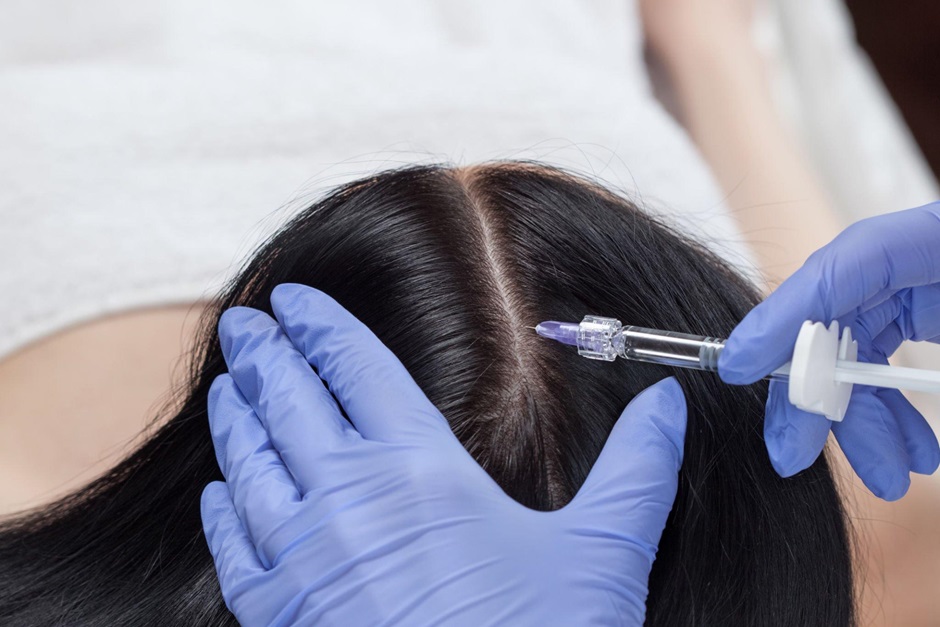
Beyond orthopaedics, PRP finds applications in hair replacement, oral surgery, and cosmetic treatments, combating the effects of aging and promoting healing in various medical and aesthetic contexts.

PRP procedure: What to expect

The PRP treatment initiates with a straightforward blood draw, extracting a minimal amount for processing. Employing a specialized device, doctors separate the plasma and platelets from the blood, purifying this potent combination.

The refined platelet-plasma mixture is then skilfully injected into the targeted treatment site. Post-treatment, there is no downtime, accompanied by specific recovery instructions to expedite healing.

While some initial discomfort in the treated area is normal immediately after the injection, it typically subsides within a few days.

Conclusion

PRP therapy, endorsed by the FDA, utilizes Platelet-Rich Plasma extracted through advanced kits like Plasma Fresh.

With over 10 million successful treatments, PRP addresses orthopaedic issues like arthritis, tendon injuries, muscle strains, and rotator cuff injuries.

Beyond orthopaedics, it finds applications in diverse medical fields. The procedure involves a simple blood draw, and the refined platelet-plasma mixture is injected into the targeted area, promoting healing with minimal downtime.

Imagine this. You’re about to visit a medical clinic for the first time. You’re outside the robbinsdale forensics department, feeling a ripple of anxiety. You’ve heard all sorts of stories—good, bad, and downright scary. That moment of uncertainty can be overwhelming. Here’s a piece of advice from someone who’s been in your shoes before: preparation is key. In this blog, you’ll discover ten invaluable tips to help you prepare for your medical clinic visit. Trust me, it’s going to make your experience a whole lot better.

1. Research Ahead

Do your homework beforehand. Understand the purpose of your visit. Know who you’re seeing—a doctor, a nurse, or a specialist. The more you know, the less intimidating it becomes.

2. Pack Essentials

Don’t forget your ID, insurance card, and a list of any current medications. These are your survival kit in a medical clinic.

3. Prepare Your Questions

Remember that time when you had a million questions, but drew a blank the moment the doctor asked, “Any questions?” Avoid that. Write down your questions. It helps in a big way.

4. Know Your History

Your medical history matters. It’s the road map that guides your healthcare professional. Help them help you. Write down any previous diagnoses, surgeries, allergies, and family history of diseases.

5. Be Honest

When it comes to your health, honesty is the best policy—always. Be open about your symptoms, lifestyle, and concerns. It’s crucial for your care.

6. Dress Comfortably

Wear loose, comfortable clothing. It makes physical examinations easier. And yes, it also makes your visit less stressful.

7. Arrive Early

Time is a luxury in a busy clinic. Arrive at least 15 minutes early. It gives you time to breathe, fill out any paperwork, and maybe even get a cup of coffee.

8. Bring a Buddy

If you’re nervous, bring a friend or family member. They can provide emotional support, help remember information, and even ask questions on your behalf.

9. Understand Next Steps

Before you leave, make sure you understand what comes next. Do you need to schedule a follow-up appointment? Are there tests to be done? Get clarity.

10. Reflect

After your visit, take a moment to reflect. What went well? What could have been better? Use this to improve your next clinic visit.

Remember, your health is your responsibility. Be proactive. Take these tips to heart. Your medical clinic visit doesn’t have to be a nerve-wracking experience. With the right approach, it can be a breeze. Ensure your experience at the Robbinsdale Forensics or any other clinic is as smooth as possible.

Imagine having an unshakable champion in your corner. A steadfast ally who knows you and your health like the back of their hand- that’s Pompeyo C Chavez MD for you. He’s your primary care provider, the medical maestro conducting your health orchestra. Here, we’ll delve into the critical role this figure plays in the healthcare symphony.

The Compass in Your Health Journey

Consider this scenario. You’re lost in a forest, with numerous paths spiraling in all directions. Now, wouldn’t it be reassuring to have a guide? Someone who knows the terrain, the safest and fastest routes, and can steer you clear of dangers? That’s essentially the role of a primary care provider. They’re the compass in your health journey, guiding you through the complex maze of healthcare.

The Symphony Conductor

Think of healthcare as a symphony. There are different sections- cardiology, orthopedics, neurology, and so on, like different instrument sections in an orchestra. The primary care provider is the conductor, coordinating each section to make beautiful music. They ensure each specialist plays their part at the right time and in harmony with the others, resulting in a comprehensive, cohesive health plan.

The Preventive Guard

Imagine a dam. It’s solid and secure, holding back a massive body of water. But even a tiny crack can spell disaster if not detected and repaired early. The primary care provider is like the vigilant guard, regularly checking the dam, spotting cracks or weaknesses early, and getting them fixed. They focus on preventive care, nipping potential health problems in the bud before they become serious issues.

The Patient Advocate

Have you ever felt overwhelmed or confused by medical jargon? Frustrated by the bureaucratic red tape of insurance claims? The primary care provider is like a seasoned navigator, proficient in the language and landscape of healthcare. They explain diagnoses and treatments in simple terms, and assist with paperwork. In essence, they’re your advocate, representing you and your interests in the healthcare system.

The Trusted Confidante

Imagine a friend who knows your fears, your hopes, your habits – both good and bad. They’re there for you, providing advice, listening without judgment, and encouraging you to make healthier choices. That’s the role of a primary care provider. They build a profound relationship with you over time, understanding your unique needs and tailoring your care accordingly.

In conclusion, the primary care provider wears many hats – guide, conductor, guard, navigator, and confidante. It’s a complex and crucial role, yet often underappreciated. But next time you visit Pompeyo C Chavez MD, remember, you’re in the hands of a maestro leading your health orchestra.

Imagine walking into a vast prairie garden medical complex. Each flower represents a different aspect of Orthopedic Surgery. Just as flowers differ in colors, sizes and shapes, so do these surgical fields. Some surgeons specialize in treating conditions of the spine, while others focus on the hands or feet. Some are experts in sports injuries, and others dedicate their practice to pediatric patients. This vast and varied field is as diverse as a blooming prairie garden. Let’s embark on a journey to explore the various specializations within Orthopedic Surgery.

Spinal Surgeons: The Sunflowers of Orthopedics

Imagine a towering sunflower. Sturdy and tall, it’s a beacon of light in the garden. Spinal surgeons are similar in their field. They treat conditions like herniated discs and spinal stenosis. Their work is often life-altering – they help patients stand tall again.

Hand Surgeons: The Delicate Daisies

Think of a daisy, delicate yet crucial to the garden’s ecosystem. Hand surgeons deal with intricate structures of the hand and wrist. Think carpal tunnel syndrome or fractures. They restore the delicate balance and functionality of our hands.

Foot and Ankle Surgeons: The Ground Cover Roses

Ground cover roses spread across the garden floor, offering a solid foundation. Foot and ankle surgeons offer a similar solidity. They treat conditions like bunions or Achilles tendon injuries. Their work ensures patients can confidently step into their daily lives.

Sports Medicine Surgeons: The Vibrant Tulips

Tulips bring a splash of color, signaling the arrival of spring. Sports medicine surgeons bring hope to athletes. They treat injuries like rotator cuff tears or knee ligament injuries. Their goal: to help athletes bloom again in their respective sports.

Pediatric Orthopedic Surgeons: The Budding Lily of the Valley

The lily of the valley, with its petite and delicate blooms, symbolizes the hope of new beginnings. Pediatric orthopedic surgeons harbor this same hope. They deal with conditions like scoliosis or clubfoot in children. Their aim is to ensure these young buds grow into strong and healthy individuals.

In the orthopedic prairie of the medical field, each surgeon plays a vital role. Each one, a unique bloom in the garden, brings something different to the table. So, whether you’re a towering sunflower or a budding lily of the valley, remember: you’re a crucial part of this garden we call life.

Choosing the right allergist can feel like navigating a labyrinth. The idea makes you sweat, your heart race. You’re looking for a silver spring md allergist but the options are overwhelming. Consider this a map to guide you through your journey. We’ll break down the steps and factors to consider, making this critical decision less daunting. Remember, this isn’t just about you – it’s about your family’s health and happiness too. Let’s embark on this journey together, finding the perfect allergist is simpler than you think.

Understand Your Needs

First, pinpoint your needs. Is it seasonal allergies? Is it a food allergy? A specific allergy requires a specific specialist. Allergists are not a one-size-fits-all solution. They are as diverse as the conditions they treat.

Research is Key

Next, take time to investigate. Look into the credentials of each allergist. Are they board-certified? This assures you they have the required training and skills. Don’t forget about reviews. What do other patients say about them?

Comfort is Crucial

Comfort is another consideration. Your allergist is someone you’ll be sharing personal information with. They should make you feel comfortable and secure. You wouldn’t entrust your secrets to a stranger, would you?

Location and Convenience

Consider their location too. Is the allergist’s office located conveniently? If you’re in Silver Spring, MD, you wouldn’t want to travel miles for your appointments.

Insurance Matters

Check if they accept your insurance. This is a practical point to note. You don’t want to end up with a hefty bill at the end of your treatment. Remember, an expensive allergist is not necessarily the best.

The First Visit – a Test Run

A first visit can be a test run. You get to observe the clinic’s hygiene standards. Meet the staff. Experience their service. You also get a sense of whether they take time to understand your problem. This will help you make an informed decision.

Follow Your Gut

Lastly, trust your intuition. If something feels off, it probably is. Don’t ignore your gut feeling. It could be the difference between a great and poor health experience.

Finding the right silver spring md allergist can be a breeze if you know what to look for. Understand your needs. Research. Feel comfortable. Consider the location. Check insurance. Trust your gut. Follow these steps and you’ll have a clear path in the labyrinth of choosing the perfect allergist.

Imagine walking through the bustling city streets of New York, surrounded by towering structures and rushing people. Now, picture a soul hidden in that crowd, grappling with silent mental struggles, lost in the chaos. I’m here to talk about these unseen battles and the heroes who fight them. Meet the psychiatrists – not just healers, but advocates committed to promoting mental health awareness and making new york therapy services accessible for all. This isn’t just medical care, it’s a journey towards understanding, acceptance, and healing.

The Silent Struggles

Mental health issues are often invisible. They don’t show up as physical wounds or marks. But they’re as real as a broken bone and can be even more painful. They lurk beneath the surface, hidden behind smiles and busy lives.

The Unsung Heroes

Enter the psychiatrists. These are the unsung heroes who delve into these unseen struggles. They are the advocates who not only heal but also fight for mental health awareness and accessible care.

A Psychiatrist’s Role

A psychiatrist isn’t just a doctor. They’re also an advocate. They fight for policy changes to make mental health care accessible. They educate the public about mental health, breaking down the walls of stigma. They promote awareness, so no one has to fight their battles in silence.

The Fight for Accessibility

Accessibility is a critical part of this advocacy. In a city like New York, where everything moves at a relentless pace, finding time and resources for therapy can be a challenge. But it shouldn’t be. New York therapy services should be as accessible as a grocery store or a subway station.

The Journey Ahead

The road to mental health is a journey. It’s not a quick fix or a one-size-fits-all solution. It’s a path of understanding, acceptance, and healing. And the psychiatrists are there every step of the way, offering a guiding hand.

Our story ends here, but the battle continues. The fight for mental health awareness and accessible New York therapy services is a daily struggle. But with the dedicated work of psychiatrists and other mental health advocates, we are making progress, one step at a time.

Imagine walking into a room. You flash a smile and everyone pauses, struck by the brilliance of your pearly whites. They asked, “How did you achieve such a perfect smile?” You answer, “braces teaneck.” That’s right. A perfect smile is not a dream, but an achievable reality. The world of orthodontic treatment offers a multitude of options, including braces, for transforming your smile into a radiant beacon of confidence. Let’s delve into the magic of orthodontics, and particularly, the wonders of braces teaneck.

The Magic Behind Braces

Braces work by applying pressure to your teeth over time, guiding them into their ideal positions. They are the wizards behind the curtain, slowly yet surely transforming your smile. And the best part? They are for everyone – kids, teens, and even adults. The magic of braces recognizes no age limit!

Understanding the Process

But how exactly do braces work? Here’s a snapshot:

  • Your teeth are connected to your jawbone by a ligament. Braces apply force to this ligament, causing it to stretch on one side and compress on the other.
  • With time, this pressure helps move your teeth in the desired direction. Meanwhile, your jawbone adjusts to accommodate these changes.
  • The result? A transformed, perfect smile!

The Journey with Braces

Getting braces is not just about the end result. It’s a journey – a story of transformation. And like any great story, it has its ups and downs. There could be minor discomfort or difficulty in eating certain foods. But these are all part of the process. Embrace the journey, celebrate the milestones, and look forward to the big reveal. Remember, the end goal is a perfect smile!

Choosing the Right Orthodontist – Braces Teaneck

A great orthodontist is crucial to your journey with braces. You need a professional who understands your needs, listens to your concerns, and ensures your comfort throughout the process. That’s where braces teaneck comes in. With state-of-the-art technology, experienced orthodontists, and a commitment to patient satisfaction, you are in good hands. Your perfect smile is their mission!

Conclusion

Remember, a perfect smile isn’t an accident. It’s a work of art, crafted with precision and patience. So dare to dream. Embrace the magic of braces, embark on the journey and let braces Teaneck help you achieve the perfect smile you’ve always wanted!

Water and life are synonymous because we need water for every metabolic activity in our bodies. By drinking sufficient water, you can ensure the smooth functioning of your body. Oral health is no exception to this; hydration has a direct relation with it. While brushing and flossing play crucial roles, hydration can significantly impact your oral health. Let’s delve deeper and find out how drinking more water can improve your oral health. 

According to a Tampa family dentist, here are the 6 ways how drinking more water can improve your oral health are: 

  • Aids saliva production to maintain pH balance: Saliva helps in the removal of food particles and neutralizes acids. It also plays a key role in fighting harmful bacteria that cause cavities and gum disease. Dehydration can limit saliva formation, leaving your mouth dry and acidic, allowing germs to flourish. You can preserve a non-acidic pH level in your mouth by drinking enough water.
  • Flushing away food particles: Food particles and sugars are usually left in your mouth after eating and drinking. These particles contribute to the formation of plaque, which can result in cavities and gum disease. A glass of water will wash these leftovers away, lowering the possibility of bacterial growth and keeping a cleaner oral environment.
  • Preventing dry mouth: Dry mouth, also known as xerostomia, is a condition marked by low saliva formation. It can cause discomfort and foster a foul odor in your mouth. Drinking water to stay hydrated can help you in avoiding a dry mouth and keep you safe from tooth cavities as well.
  • Protecting tooth enamel: Water is a natural teeth enamel guardian.  Eating acidic foods and beverages can erode your enamel. After eating acidic foods, you must rinse your mouth with water to dilute and wash away the acids.
  • Post-meal cleansing: When brushing isn’t an option, drinking water after meals might serve as a substitute rinse. Swishing water in your mouth can help to remove food particles and shorten the length of time sugars and acids remain in contact with your teeth, reducing their detrimental effects.
  • Aiding digestion and nutrient absorption: Adequate hydration also contributes to healthy digestion, which indirectly affects oral health. A well-hydrated body can efficiently process nutrients from your diet, including those that contribute to strong teeth and gums. 

Water is not only necessary for satisfying thirst; it is also an effective means of sustaining good dental health. Drinking plenty of water has several benefits, including the aforementioned benefits. Thus, have a water bottle nearby and start consuming water every few hours. By implementing this simple practice, you will be taking big strides toward protecting your smile and overall health.

Hearing loss is a prevalent yet often underestimated condition that affects millions of people worldwide. As an essential component of human communication, hearing loss can significantly impact one’s quality of life. 

Let us shed light on the various types of hearing loss, their causes, and effective prevention strategies.

Types of Hearing Loss

Conductive Hearing Loss

This type occurs when there is a problem in the outer or middle ear that interferes with sound transmission to the inner ear. Common causes include ear infections, earwax buildup, or issues with the eardrum or ossicles (small bones in the middle ear).

Sensorineural Hearing Loss

Often referred to as “nerve deafness,” this type results from damage to the hair cells or nerves in the inner ear or the auditory pathways to the brain. Aging, exposure to loud noises, genetic factors, and certain medications are common causes of sensorineural hearing loss.

Mixed Hearing Loss

As the name suggests, this type combines elements of both conductive and sensorineural hearing loss. It usually indicates an issue in both the middle or outer ear and the inner ear or auditory pathways.

Central Hearing Loss

This is less common and occurs due to problems in the central nervous system, particularly the brain’s ability to process sound. Tumors, head injuries, and certain medical conditions can lead to central hearing loss.

Causes of Hearing Loss

  • Age: Age-related hearing loss, known as presbycusis, is a gradual decline in hearing ability due to the natural aging process. 
  • Noise Exposure: Prolonged exposure to loud noises, such as machinery, concerts, and headphones played at high volumes, can cause permanent damage to the delicate hair cells in the inner ear.
  • Genetics: Some forms of hearing loss are hereditary. If there is a family history of hearing loss, individuals might be at a higher risk of experiencing it themselves.

Prevention Strategies

  • Protect Your Ears: Avoid prolonged exposure to loud noises, and if exposure is unavoidable, use ear protection such as earplugs or earmuffs or bouchons baignade from Audiologie Centre-Ouest.
  • Monitor Volume Levels: When using headphones or earbuds, keep the volume at a safe level. As a rule of thumb, if someone else can hear the sound coming from your headphones, it’s too loud.
  • Practice Ear Hygiene: Clean your ears gently and avoid inserting objects like cotton swabs into the ear canal, as this can push earwax deeper and potentially cause damage.
  • Regular Check-ups: Periodic hearing screenings can help detect any potential issues early on and allow for timely intervention.
  • Healthy Lifestyle: A balanced diet, regular exercise, and avoiding smoking can contribute to overall well-being, including maintaining good hearing health.

Understanding the different types and causes of hearing loss is crucial for maintaining healthy hearing throughout life. By implementing effective prevention strategies and making conscious choices to protect our ears, we can minimize the risk of hearing loss and enjoy the beauty of sound for years to come.

Oral health practices are not something you should turn on or off with every passing fad. Maintaining good oral health is a lifetime commitment. The advantages are undeniable, whether you are making a fresh commitment to practice proper oral hygiene or brushing up on guidelines after a lapse in care. There is great dental care in Hollywood, FL, that can help you. Read on to learn more and learn how to implement good oral hygiene in your life effectively. 

Why is Good Oral Health Crucial?

Maintaining healthy teeth and gums takes more than simply having a great smile. Your teeth play crucial functions in speech, chewing, and digestion. They give your cheekbones and face structure, making you look younger. Additionally, there are links between dental and general health. Thus, enhancing oral health also helps the body.

Advantages of Better Oral Health

Deciding to take good care of the health of your gums and teeth has no drawbacks. Some of the top advantages of enhancing your dental health are the ones listed below.

  • Prevents Gum Disease and Tooth Decay

Maintaining regular dental hygiene helps to stave off periodontal disease and cavities. Plaque, tartar, and germs can be kept off your teeth and away from the gums by using fluoride toothpaste and flossing. By doing this, cavities caused by plaque’s erosion of tooth enamel are prevented. Additionally, it stops bacteria from getting inside the gums, spreading there, and developing gum disease.

  • Prevents Foul Breath

Bad breath is frequently brought on by poor oral health. Food crumbs and microbial buildup may make the issue worse. By regularly brushing and flossing, these things are removed. Additionally, tongue scraping and mouthwash use may be beneficial. 

  • Avoids More Serious Illnesses

More complex dental operations will be required to address the problems if plaque and germs grow unchecked. For instance, a little decayed area can now be easily fixed and filled. It can eventually require a root canal or an extraction if it worsens.

  • Makes You Smile More

Simple methods to eliminate food particles and daily surface stains from the teeth include regular brushing and flossing. This is a simple approach to maintaining your smile’s brightness.

  Furthermore, routine cleanings performed by the hygienist do more than only look for decaying teeth and gum disease. Tartar is scraped off using specialized instruments by your dentist. Some kinds of yellowish stains that develop on the teeth are helped to eradicate by doing this.