
Category

Dental

Category

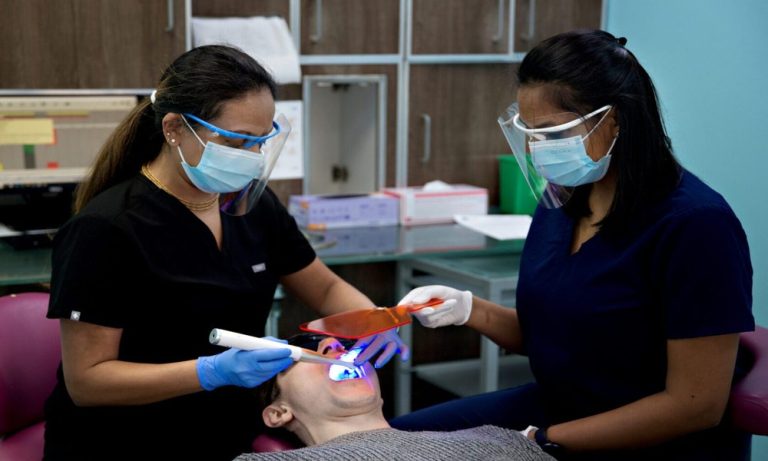
You might be feeling that familiar tension already. Maybe you have a tooth that hurts, a cleaning you have put off, or you need to schedule a dental appointment in Sunnyvale, and even before you sit in the chair, your mind is racing. Will it hurt? Will it cost more than expected? Will anyone really listen when you say you are nervous? That is why trust matters so much in dental care. When you trust your provider, appointments feel less confusing, decisions feel less forced, and your care becomes something you take part in, not something that just happens to you.

For many people, the hard part is not only the procedure itself. It is the feeling of being unsure, exposed, or rushed. A good general dentist does more than check teeth and gums. They help you feel safe enough to ask questions, honest enough to share concerns, and informed enough to choose what fits your health and budget. In simple terms, trust in the dentist patient relationship supports better communication, better decisions, and often better outcomes.

Why can a lack of trust make even simple dental visits feel hard?

When trust is missing, small issues can grow fast. A routine exam can feel tense. A filling can feel like a major event. You may nod along even when you do not understand what was said, then go home worried that you agreed to something too quickly. Because of this tension, you might wonder whether your discomfort is really about dentistry, or whether it is about not feeling heard.

That reaction is more common than people think. If you have ever had a bad experience, unexpected costs, or a provider who seemed too hurried, it makes sense that you would be careful now. In dental care, trust is built in moments. It shows up when the dentist explains what they see in plain language, pauses to answer questions, and respects your choice if you need time to think.

This is where shared decision making matters. The Agency for Healthcare Research and Quality explains that shared decision making helps patients and providers work together when choices need to be made. In a dental setting, that could mean talking through whether to watch an issue, treat it now, or choose between different treatment options based on cost, time, and comfort.

What does a strong dental patient connection actually look like?

A strong connection is not built on charm. It is built on clarity and consistency. Your dentist tells you what they found, why it matters, what can wait, and what should not. They explain risks without trying to scare you. They talk about money before treatment, not after. They notice when you are anxious and adjust the pace instead of pushing through.

Think about two different visits. In one, you are told that you need several procedures, but no one explains the order, the urgency, or the cost. You leave with a printed estimate and a knot in your stomach. In the other, the dentist walks you through each issue, ranks what needs attention first, and checks that you understand your choices. The treatment may be the same, but the experience is completely different. That difference is the value of patient trust in dentistry.

Clear education also plays a big part. When health information is easy to understand, patients are more likely to follow through and feel confident in their care. The AHRQ offers guidance on patient education and health literacy, and that principle matters in every dental office. If words are too technical or rushed, trust slips. If explanations are plain and respectful, trust grows.

How does trust affect treatment decisions, cost concerns, and long term care?

Trust shapes more than comfort. It affects action. If you believe your provider is honest and transparent, you are more likely to keep cleanings, treat problems early, and return before pain becomes severe. That can protect both your health and your finances.

Without trust, people often delay care. They wait until a mild cavity becomes a larger restoration, or until gum irritation becomes a deeper problem. The cost then rises, the treatment becomes more involved, and anxiety often gets worse. So, where does that leave you? It leaves you with a simple truth. A healthy dentist patient relationship is not a bonus. It is part of good care.

What should you look for when choosing or evaluating a general dentist?

Here is a simple comparison that can help you judge whether a dental relationship is building trust or wearing it down.

Sign Trust Is Growing Trust May Be Weak
Communication Explanations are clear, calm, and easy to follow You hear technical terms without plain language
Questions Your concerns are welcomed and answered You feel rushed or brushed aside
Treatment planning Options, timing, and urgency are explained Care feels pushed without context
Costs Fees are discussed before treatment begins Charges feel unclear or surprising
Comfort Anxiety and pain concerns are taken seriously Your fear is minimized or ignored

What can you do right now to build more trust in your dental care?

1. Ask for the plan in plain language.

If a dentist recommends treatment, ask what the problem is, what happens if you wait, what the options are, and what each option may cost. You are not being difficult. You are being informed.

2. Pay attention to how you feel during the conversation.

Do you feel heard, or do you feel managed? Do you leave with more clarity, or more confusion? Your body often notices a trust problem before your mind puts words to it.

3. Start with one manageable step.

If dental anxiety has built up over time, you do not need to solve everything in one visit. Start with an exam, a consultation, or a cleaning. A respectful first step can help rebuild confidence in root service care and make future treatment feel more possible.

Why does trust matter so much in the end?

Because your mouth is part of your health, and your health should never feel like a guessing game. When trust is present, you are more likely to speak up, understand your options, and follow through on care that supports you over time. You deserve a dentist who treats you like a partner, not a problem to move along.

If you are weighing your next dental visit, give yourself permission to look for that sense of safety and clarity. It matters. And if you have found a provider who listens well, explains things clearly, and respects your concerns, that relationship is worth protecting.
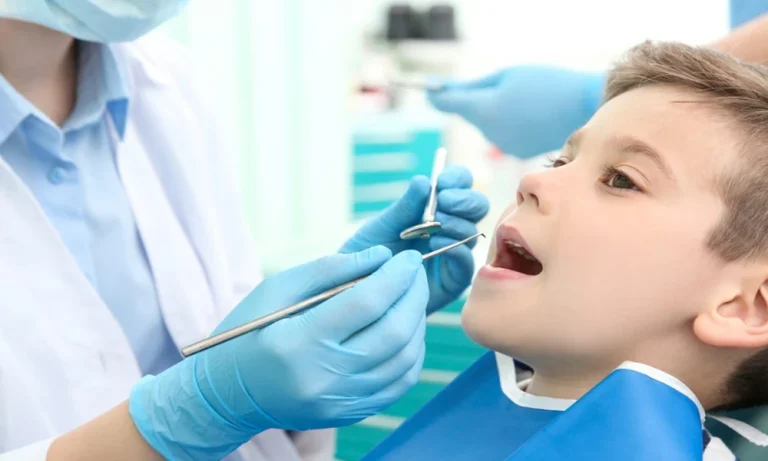

You might be feeling a mix of worry and guilt every time your child’s dental appointment with an Enfield dentist shows up on the calendar. Maybe they cry when you mention the dentist, or you remember your own rough experiences in the chair and fear history will repeat itself. You want your child to grow up unafraid of dental care, yet the reality right now feels tense and unpredictable.end

The good news is that it does not have to stay that way. When you choose family dentistry for children, you are not just picking a place to fix cavities. You are choosing an approach that can turn those anxious, teary visits into calm, even confident moments. You help your child build lifelong habits, reduce future problems, and protect their smile in a way that feels safe and respectful.

So the short version is this. A trusted family dentist learns your child’s personality over time, uses kid friendly communication, and supports you as a parent so you are not guessing your way through dental decisions. That combination is what creates genuinely positive dental experiences for kids.

Why do kids fear the dentist in the first place?

It often starts with something small. A rushed visit. A strange sound. A tight schedule that leaves no time for questions. Maybe your child picked up on your own anxiety, or heard a scary story from a cousin. Before long, “dentist” becomes linked with “danger” in their mind.

There are a few common patterns that create this fear.

First, the environment can feel overwhelming. Bright lights, unfamiliar tools, and new faces can be a lot for a young nervous system. If the first visit only happens when there is already pain, your child learns to associate the dentist with emergency and discomfort.

Second, kids do not always understand what is happening. When no one slows down to explain things in their language, they may imagine something worse than reality. A child who is simply told “sit still, this will be quick” can feel powerless and scared.

Third, parents are often under pressure too. You might be juggling work, school schedules, and insurance questions. If you feel rushed or unsure, your child senses that, and their anxiety grows. Because of this tension, you might wonder whether there is a way to make these visits feel more normal and less like a crisis.

How does a family dentist change the experience for your child?

A family dentist for kids is trained to care for your whole household, from toddlers to grandparents, which creates continuity and comfort. Your child sees the same faces, hears the same calm voice, and slowly learns that this is a safe place, not a one time event.

Think about what happens when everyone in the family goes to the same office. Your child watches you sit in the chair and chat casually with the dentist. They see older siblings get cleanings and leave without tears. The message becomes, “This is just something we do to stay healthy,” not “This is a scary place where bad things happen.”

Many family dentists also encourage early, gentle visits. For example, experts recommend starting dental care in the first year of life or within 6 months of the first tooth. You can read more about caring for your child’s teeth from the start in this guide on how to take care of your child’s teeth and gums. When you start early, the first visit is not about drilling or filling. It is about counting teeth, showing the chair, and letting your baby or toddler explore the space in a safe way.

There is also support for you as a parent. Many family dentists take time to explain what to expect from your baby’s first visit and how to prepare, so you are not walking in blind. For instance, you might find it helpful to look at this resource on what to expect at your baby’s first dental visit and how to prepare. When you feel informed, you are calmer. Your child picks up on that calm.

Over time, your dentist learns your child’s quirks and needs. Maybe your child needs extra time to warm up, or prefers to hold a small toy in the chair. A good family dentist remembers these details and adjusts. That kind of predictable care is what slowly rewires a child’s experience from fear to trust.

What are the real benefits of positive dental experiences for kids?

It is easy to think of dental care as “no cavities” and stop there. Yet a positive experience with a family dentist affects much more than that.

When children feel safe at the dentist, they are more likely to speak up if something hurts, ask questions, and follow instructions. This cooperation means better cleanings, earlier detection of problems, and fewer urgent visits. Over years, that can mean lower costs and less time missed from school or work.

There is also the long view. Kids who grow up with regular, calm dental visits are more likely to continue them as adults. They do not avoid the dentist until things are unbearable. Instead, they see oral health as a normal part of caring for themselves. That habit alone can prevent gum disease, tooth loss, and a lot of avoidable pain later in life.

So where does that leave you if your child already hates the dentist or you have delayed visits out of fear or cost? You are not behind. You are simply at a crossroads where choosing the right approach now can change the direction of your child’s experience.

Family dentistry vs “wait and see” care for kids

It can help to see the difference between building a relationship with a family dentist and only going when there is a problem. The contrast is often clearer when you look at it side by side.

Approach What it looks like Impact on your child Long term outcome
Ongoing family dentistry Regular checkups every 6 months, same office and team, preventive cleanings and education Visits feel familiar and predictable. Anxiety usually decreases over time. Child learns healthy habits. Fewer emergencies, earlier treatment of small issues, better oral health into adulthood.
“Wait and see” or emergency only visits No routine checkups. Appointments only when there is pain, swelling, or visible damage. Visits feel urgent and scary. Child associates dentist with pain and crisis. Higher risk of advanced cavities, more invasive treatment, higher emotional and financial cost.
Irregular care with changing providers Visits happen sometimes, often at different offices depending on schedule or insurance. Child never builds trust with one team. Each visit feels like a “first time” again. Mixed results. Some issues get caught, but anxiety may stay high and habits may not stick.

Seeing these paths side by side can make it easier to choose intentionally rather than react in the moment when something hurts or breaks.

Three practical steps to create better dental visits for your child

1. Start early, even if everything looks fine

You do not need to wait for a problem to appear. In fact, positive dental experiences are easier to build when there is no pain involved. Schedule a simple “get to know you” visit for your child. Ask the office if they are comfortable with young children and if they can keep the first appointment short and gentle.

During the visit, focus less on what gets done and more on how your child feels. If all that happens is a ride in the chair and a quick tooth count, that is still progress. The goal is to create a first memory that feels safe.

2. Prepare your child with honest, simple language

You do not need detailed explanations, and you do not need to promise that nothing will happen. Instead, use calm, simple words. For example, “The dentist is a helper who checks that your teeth are strong and clean. They might use a little mirror and a tiny brush. If anything feels weird, you can tell them.”

Avoid scary or dramatic terms like “shot” or “drill” at home. At the same time, avoid saying “it will not hurt at all,” because if your child feels any discomfort, they may feel misled. Focus on the idea that the dentist and you will be there together, and that your child can ask questions.

3. Choose a family dentist who welcomes questions and partnership

When you call or visit an office, pay attention to how the team talks to you. Do they rush you off the phone, or do they explain what a first visit is like for a child your child’s age. Do they encourage you to stay with your child in the room. Do they talk directly to your child and not only to you.

You are looking for someone who sees you as a partner, not a problem. A good family dental care provider will invite your questions about fluoride, X rays, or treatment options and will explain them in clear, respectful language. That respectful tone is a strong sign that your child will be treated with patience too.

Moving forward with more confidence and less fear

If you are reading this with a knot in your stomach, you are not alone. Many parents carry old memories of dental fear and worry they are passing that on. The fact that you are looking for a better way already means you are changing the story.

By choosing family dentistry, starting early when possible, and treating each visit as a chance to build trust rather than just “get through it,” you give your child a gift that lasts far beyond childhood. Dental appointments can become just another part of a healthy routine, not a source of dread.

You do not have to fix everything at once. Begin with one small step. Schedule a gentle visit, ask one more question, or simply talk with your child about what to expect. Each step moves you closer to calm, confident dental care for your family.

Choosing the right orthodontic treatment feels important. Every smile has different needs. The best option depends on several factors. But careful guidance makes decisions easier. orthodontist in North Dakota can explain every suitable treatment choice. The right plan improves comfort and confidence. Prestwich Orthodontics helps patients understand every available option before treatment begins.

Understanding How Braces Work

Traditional braces remain highly effective. They move teeth with precision. Strong brackets stay attached throughout treatment. Metal wires create steady pressure. The process corrects difficult alignment problems. Sometimes braces handle severe bite concerns better. The treatment works continuously because nothing requires daily removal. Every adjustment improves tooth positioning with careful control. Patients usually notice gradual progress while regular appointments keep treatment moving smoothly toward healthy long-lasting results.

Learning About Clear Aligners

Clear aligners offer discreet treatment. Transparent trays remain almost invisible. Many adults prefer this option. The trays remove easily during meals. Cleaning becomes much simpler. So daily oral hygiene often improves naturally. Each aligner gently shifts teeth into better positions while following a carefully designed sequence that supports comfortable movement without changing everyday routines too much. Prestwich Orthodontics carefully evaluates each smile before recommending clear aligners for suitable cases.

Comfort and Daily Convenience

Comfort matters during treatment. Braces may create pressure initially. Minor irritation often disappears quickly. Clear aligners usually feel smoother. Eating stays easier without trays. However consistent wear remains essential.

Appearance and Treatment Results

Appearance influences many decisions. Clear trays remain difficult to notice. Many professionals appreciate discreet treatment. Braces offer colorful options instead. Younger patients often enjoy personalization. But treatment success always remains the primary goal. Prestwich Orthodontics discusses every benefit honestly before beginning personalized treatment.

Making the Best Decision

Every smile deserves careful planning. Personal goals always matter. Lifestyle influences treatment choices. Budget also deserves consideration. Now informed decisions become much easier. Experienced evaluation provides lasting confidence. Both treatment methods create beautiful healthy smiles when matched correctly with individual dental conditions and patient commitment throughout the complete orthodontic journey.

FAQ

Can Treatment Change After It Begins If Progress Slows?

Yes. A carefully monitored treatment plan can shift from aligners to braces when better control becomes necessary for ideal results.

Does Speech Adjust Differently with Each Option?

Clear aligners may briefly affect speech, but most patients adapt quickly while braces usually cause very little lasting change.

Can Seasonal Sports Affect Treatment Selection?

Active athletes sometimes receive different appliance recommendations because mouth protection and treatment safety remain important during physical activities.

Is Every Adjustment Appointment The Same?

Each visit serves a unique purpose because tooth movement changes throughout treatment and requires different professional evaluations.

Can Treatment Plans Include Both Methods Together?

Some complex cases benefit from combining braces with clear aligners, creating flexible solutions that improve efficiency and overall treatment outcomes.

If you’re considering teeth straightening treatment, one of the biggest decisions you’ll face is choosing between Invisalign and traditional braces. Both treatments can effectively improve the appearance and alignment of your teeth, but they offer very different experiences for patients.

For those researching options for teeth straightening or looking for information about Invisalign In Milton Keynes, understanding the key differences between clear aligners and fixed braces can help you make an informed decision about which treatment is best for your smile.

In this guide, we’ll compare Invisalign and traditional braces, looking at appearance, comfort, effectiveness, treatment times, costs, and more.

What Is Invisalign?

Invisalign is a modern orthodontic treatment that uses a series of custom-made clear aligners to gradually move teeth into their desired positions.

The aligners are virtually invisible when worn and are custom-designed using advanced digital technology. Patients typically wear each set of aligners for one to two weeks before progressing to the next stage of treatment.

Unlike traditional braces, Invisalign aligners can be removed for eating, drinking, brushing, and flossing.

Invisalign is commonly used to treat:

  • Crooked teeth
  • Crowded teeth
  • Gaps between teeth
  • Overbites
  • Underbites
  • Crossbites
  • Mild to moderate orthodontic issues

The treatment has become increasingly popular among adults who want a discreet alternative to metal braces.

What Are Traditional Braces?

Traditional braces use metal brackets attached to the teeth, connected by wires that are adjusted periodically to move teeth into alignment.

While modern braces are smaller and more comfortable than older designs, they remain visible throughout treatment.

Traditional braces are highly effective and have been used successfully for decades to correct both simple and complex orthodontic problems.

Depending on the patient’s needs, braces may include:

  • Metal braces
  • Ceramic braces
  • Self-ligating braces
  • Fixed orthodontic appliances

For many patients, braces remain a reliable solution for achieving a straighter smile.

Appearance: Which Option Looks Better?

One of the main reasons patients choose Invisalign is its discreet appearance.

Invisalign

The aligners are made from clear medical-grade plastic and fit closely over the teeth. Most people will not notice you’re wearing them during everyday conversations.

This makes Invisalign particularly attractive for:

  • Working professionals
  • Teenagers
  • Public-facing employees
  • Patients attending social events
  • Anyone concerned about the appearance of braces

Traditional Braces

Traditional braces are more visible because the brackets and wires remain attached to the teeth throughout treatment.

While ceramic braces can reduce visibility compared to metal braces, they are still generally more noticeable than Invisalign.

Winner: Invisalign

For patients prioritising aesthetics, Invisalign is usually the preferred choice.

Comfort: Invisalign Vs Braces

Comfort is another important consideration when choosing orthodontic treatment.

Invisalign

Invisalign aligners are custom-made from smooth plastic, meaning there are no brackets or wires that can irritate the cheeks and gums.

Although patients may experience mild pressure when changing to a new set of aligners, many find Invisalign more comfortable overall.

Traditional Braces

Braces can occasionally cause discomfort following adjustments. Brackets and wires may also rub against the inside of the mouth, particularly during the early stages of treatment.

Orthodontic wax is often used to help reduce irritation.

Winner: Invisalign

Many patients find Invisalign offers a more comfortable treatment experience.

Eating And Drinking

Your lifestyle and eating habits can also influence which treatment is best for you.

Invisalign

One of Invisalign’s biggest advantages is that aligners can be removed before meals.

This means you can continue enjoying your favourite foods without restrictions.

Patients simply remove their aligners, eat normally, brush their teeth, and replace the aligners afterwards.

Traditional Braces

Patients with braces must avoid certain foods that could damage brackets or wires, including:

  • Hard sweets
  • Nuts
  • Popcorn
  • Chewy sweets
  • Sticky foods

Food can also become trapped around brackets, making cleaning more challenging.

Winner: Invisalign

The flexibility to remove aligners makes daily life much easier for many patients.

Oral Hygiene And Cleaning

Maintaining good oral hygiene during orthodontic treatment is essential.

Invisalign

Because aligners are removable, patients can brush and floss normally throughout treatment.

This often makes it easier to maintain healthy teeth and gums.

Traditional Braces

Braces require more careful cleaning around brackets and wires.

Special interdental brushes and cleaning tools are often recommended to remove plaque effectively.

Some patients find maintaining excellent oral hygiene more challenging with fixed braces.

Winner: Invisalign

The ability to remove aligners simplifies oral hygiene routines.

Treatment Effectiveness

Both Invisalign and braces can achieve excellent results when used appropriately.

Invisalign

Modern Invisalign technology can treat a wide range of orthodontic concerns, including many complex cases.

Advancements in digital treatment planning have significantly expanded the types of cases suitable for Invisalign.

Traditional Braces

Braces remain highly effective for severe orthodontic issues and complex tooth movements.

In certain situations, your dentist or orthodontist may recommend braces as the most predictable treatment option.

Winner: Draw

Both treatments can deliver excellent outcomes depending on the individual case.

Treatment Time

Treatment times vary according to the complexity of the case.

Invisalign

Many Invisalign treatments are completed within:

  • 6 to 18 months

Some minor corrections can be completed even sooner.

Traditional Braces

Traditional braces often require:

  • 12 to 24 months

More complex cases may take longer.

Your dentist will provide a personalised estimate during your consultation.

Winner: Slight Advantage To Invisalign

Many patients experience shorter treatment times with Invisalign, although this varies from case to case.

Cost Comparison

When comparing Invisalign and braces, cost is often a major consideration.

In Milton Keynes, treatment costs vary depending on complexity, treatment duration, and provider experience.

Generally:

  • Invisalign treatment may range from £1,500 to £6,000+
  • Traditional braces may range from £2,000 to £5,000+

It’s important to remember that the cheapest option is not always the best value. Experience, technology, support, and treatment outcomes should all be considered when comparing providers.

Which Treatment Is Best For Adults?

For most adults, Invisalign is often the preferred option.

The clear aligners offer:

  • Discreet treatment
  • Greater comfort
  • Easier cleaning
  • No food restrictions
  • Improved confidence during treatment

Adults who regularly attend meetings, social events, or work in customer-facing roles often appreciate the near-invisible appearance of Invisalign.

Which Treatment Is Best For Teenagers?

Both Invisalign and braces can be suitable for teenagers.

The best option depends on:

Because Invisalign aligners must be worn for 20-22 hours per day, patient commitment is important. Some teenagers may benefit from the fixed nature of braces, while others prefer the flexibility Invisalign provides.

The Verdict: Invisalign Or Traditional Braces?

There is no one-size-fits-all answer when it comes to choosing between Invisalign and traditional braces.

If you value discretion, comfort, flexibility, and convenience, Invisalign is often the preferred choice. However, traditional braces continue to provide excellent results for many patients, particularly those with more complex orthodontic needs.

The best way to determine which treatment is right for you is to arrange a professional consultation. If you’re considering Invisalign In Milton Keynes, an experienced dentist can assess your teeth, discuss your goals, and recommend the most suitable treatment plan to help you achieve a healthier, straighter smile.