
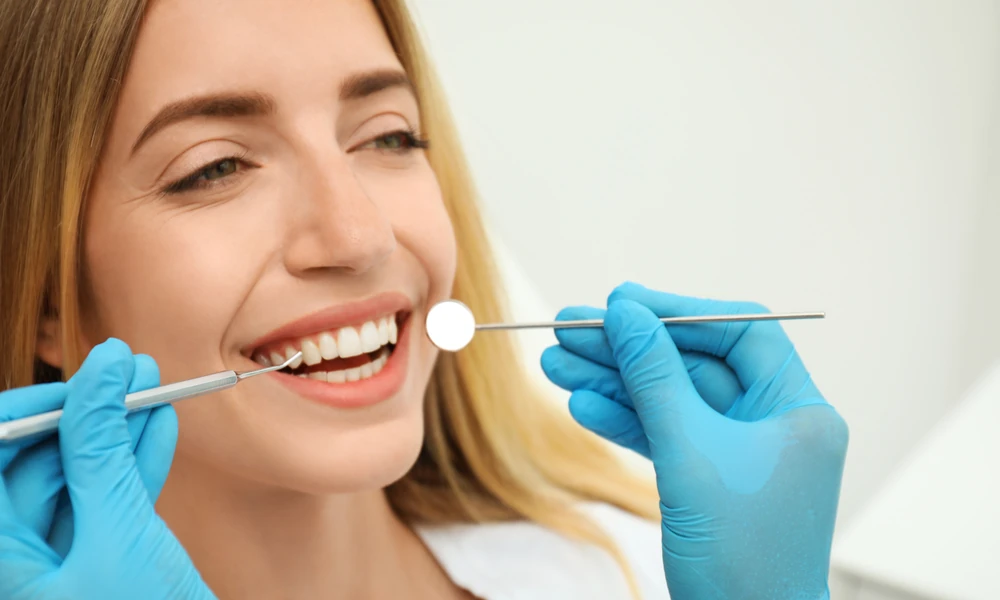
You might be feeling torn between wanting a better smile and not wanting any surprises once treatment begins. That is a common place to be. Cosmetic dental work can feel personal, expensive, and hard to picture until it is already done. When you are sitting in a chair with a dentist in San Mateo trying to imagine how whitening, bonding, veneers, or contouring may change your face, words alone often do not feel like enough.
That is where dental photography for cosmetic consultations is changing the experience. Clear, well planned images help you and your dentist see the same details, talk about the same goals, and build a treatment plan with fewer guesses. In simple terms, photos make smile planning more honest, more visual, and easier to understand.
Why can cosmetic dental photography make smile goals feel more real?
Many people walk into a general and family dentist office with a broad goal. They want their teeth to look cleaner, straighter, brighter, or more even. The hard part is that those words mean different things to different people. Your idea of a natural smile may not match what a provider assumes you want. Because of that gap, a consultation can leave you hopeful but still unsure.
Photos close that gap. A good image captures tooth shape, gum line symmetry, lip position, facial balance, and how your smile looks at rest and in motion. When those details are visible on screen, your conversation shifts. Instead of talking in vague terms, you can point to the exact edge that looks chipped, the shade that feels too dark, or the angle that makes one tooth appear longer than the other.
So, where does that leave you as a patient? In a stronger position. You are not just hearing recommendations. You are seeing the reasons behind them. That often makes the consult feel calmer and more collaborative.
Research also supports the value of photography in esthetic planning. Rutgers’esthetic dentistry guidance explains how photographs help evaluate smile design, tooth proportions, and facial harmony before treatment begins. In other words, photos are not just for marketing or before and after albums. They are part of careful clinical planning.
What problems can happen when a cosmetic consult relies only on memory or mirrors?
Without photos, small details are easy to miss. You may glance in a mirror for a few seconds and focus only on one front tooth, while your dentist is also noticing gum display, bite wear, or uneven incisal edges. Neither of you is wrong. You are just seeing different pieces of the puzzle.
That can lead to frustration later. What if you thought the main issue was color, but the larger concern was shape? What if you expected a brighter smile, but the final result still looked “off” because the proportions were never discussed clearly? Those moments can be discouraging, especially when time and money are involved.
Smile consultation photography reduces that risk by slowing the process down. Images can be enlarged, compared side by side, and reviewed over time. They also create a record, which matters if you are considering staged treatment or want to track changes after whitening, orthodontics, or restorative work.
Clinical literature has also shown that photography supports diagnosis, communication, and treatment acceptance across dental settings. This review on dental photography describes its role in documentation, case analysis, and patient education. For patients, that often means fewer misunderstandings and a clearer sense of what is possible.
How is modern oral cosmetic consultation changing inside a general and family dentist office?
Today, many cosmetic conversations begin with a camera before they begin with tools. That may sound simple, yet it changes the tone of the visit. Instead of feeling rushed into a decision, you have a chance to study your smile from angles you do not usually see. Front view, side view, close up, and full face photos can reveal how teeth relate to your lips and overall expression.
This matters because cosmetic choices are rarely just about one tooth. Whitening may brighten the smile but also reveal older fillings that no longer match. Bonding may fix a chip but look best when paired with contouring on a nearby tooth. Veneers may improve shape, though they need careful planning so the result fits your face rather than just your teeth.
That is why oral cosmetic consults now rely more on images, mockups, and visual references. The process becomes less about selling a treatment and more about making sure your expectations and your treatment plan line up.
What should you compare before saying yes to treatment?
When you are weighing options, it helps to compare what photography adds to the consultation process rather than assuming every consult gives the same level of clarity.
| Consult Approach | What You Get | Possible Limits | Best Use |
|---|---|---|---|
| Mirror and verbal discussion only | Quick overview, simple conversation, low time commitment | Easy to miss details, harder to document goals, more room for mixed expectations | Very minor concerns or first pass questions |
| Standard dental photography | Clear record of color, shape, alignment, gum line, and smile balance | Requires a few extra minutes and careful photo capture | Whitening, bonding, veneers, reshaping, and treatment planning |
| Photography plus mockup or digital smile preview | Visual planning with stronger patient understanding and case communication | May involve added cost or additional visits depending on the case | More complex cosmetic cases or high expectation smile changes |
If you have ever left a consultation thinking, “I need to see it to understand it,” this table explains why visual planning matters. It gives you a more solid base for decision making.
What can you do right now if you are considering cosmetic dental work?
1. Ask how photos are used during the consult. You do not need to know camera terms. Just ask whether the office takes diagnostic images for cosmetic planning and whether those photos will be reviewed with you during the visit.
2. Bring examples, but stay open to professional feedback. If you have saved smile photos online, bring them. They help communicate taste and goals. At the same time, remember that your facial features, bite, and tooth structure are unique, so the best result is one designed for you.
3. Request a step by step explanation of what the photos show. Ask what your dentist notices first, what concerns are cosmetic versus functional, and whether treatment can be phased. That simple conversation can protect your budget and help you prioritize.
When you want confidence, could a more visual consult be the next right step?
If you are thinking about changing your smile, uncertainty is often the hardest part. Dental photos do not remove every decision, but they do make the process clearer. They help you see what your dentist sees, ask better questions, and move forward with fewer assumptions.
A thoughtful consultation with a general and family dentist should leave you feeling informed, not pressured. If cosmetic treatment is on your mind, ask for a photo based evaluation and take the time to review your options carefully. A better smile starts with a clearer view of the one you already have.

Comments are closed.