
Author

Hawkins Cotton

Browsing

The NDIS is Australia’s primary tool for assisting and empowering disabled people. In essence, NDIS plan management—a vital ingredient of this massive endeavour—ensures the funds are well-used and widely distributed to meet the varying desires and needs of the participants who benefit from NDIS aid. It outlines the main aspects, their significance, scientific contents, and operation patterns.

Understanding NDIS Plan Management

NDIS plan management involves carefully handling funds allocated to a participant’s NDIS plan. Participants are free to choose one of three main options for managing their plan:

  1. NDIS Agency Managed: With this choice, the National Disability Insurance Agency in Australia oversees and ultimately controls all support services for participants via NDIS funds. Participants can only access services and support from NDIS-registered service providers.
  2. Self-Managed: Participants enjoy the ultimate freedom to manage their NDIS funds autonomously. This option allows participants maximum flexibility and control over service provision, including initiating negotiations with providers who set prices or managing budgets directly.
  3. Plan Managed: Plan management means that NDIS money is handled by a third-party provider on behalf of the participant. This party is responsible for all financial administration tasks and helps to make the burden of managing one’s own budget much lighter. Thus, participants can enjoy more freedom in what they do with their time and energy without being weighed down by administrative details.

Key Components of NDIS Plan Management

NDIS Plan Management is composed of various key components. These are designed to provide the support and services participants need to achieve their goals and better their lives. Understanding these components is crucial for effectively controlling NDIS funds and achieving their maximum impact. Here are the key components of NDIS Plan Management:

  1. Budgeting and Financial Management: Developing a detailed budget to fit entirely inside a participant’s unique goals, aspirations, and support needs, as listed in their NDIS plan, is at the core of NDIS plan management. This involves carefully assessing the possible gap in resources and fund allocations made over different support categories: assistive technologies costs, therapy expenditures, personal hygiene care costs, and community participation.
  2. Payment of Supports: Plan management plays a crucial part in smoothing financial transactions by giving out funds to service providers on behalf of the participant. This entails handling invoices, repaying expenses, and ensuring adherence to payment punctuality to ensure continuity and quality and attract even minute electrical changes for participants.
  3. Record-Keeping: Robust auditing systems are the foundation of NDIS plan management since they aim to ensure transparency, accountabilities, and compliance. For this reason, the accounts of plan managers show every financial transaction, including invoices, receipts, and payment records. Doing so provides participants with a complete picture of the usage and expenditure of real resources as they progress in tracking.
  4. Reporting and Compliance: Plan managers uphold regulatory compliance and transparency standards the NDIS framework sets. To this end, they must produce regular reports and undergo audits while still following prescribed procedures to preserve accountability and integrity in fund management.

Benefits of NDIS Plan Management

NDIS Plan Management offers participants several benefits, allowing them to make the most effective use of their financial resources and access support or services that might change life for someone lucky enough to benefit from them. Here are some of the key benefits of NDIS Plan Management:

  1. Choice and Control: NDIS plan management empowers participants with the autonomy to exercise choice and control over the management of their funds. This enables them to select service providers, customise support solutions, and pursue their aspirations in alignment with their individual preferences and goals.
  2. Streamlined Administration: By contracting out plan management to a NDIS registered provider, participants can reduce the chores of NDIS fund management. The result is that they can devote precious time and scarce resources to private yearnings or social commitment rather than activities pursuing objective attainment.
  3. Access to Diverse Provider Networks: Plan management agencies often have hundreds of registered service carriers in their network so that even people with exceptional requirements and wishes can find appropriate support and services nearby.
  4. Financial Management Support: Plan managers act as reliable partners in finance management within the NDIS framework, providing people with expert guidance and help on budgets. It is no mean task to amalgamate resources, but it is well worth doing as long as support plans are effective.

How NDIS Plan Management Works

NDIS Plan Management operates through a structured process aimed at ensuring participants receive the necessary support and services to achieve their goals effectively. The process involves several key steps that participants and their Plan Managers navigate together. Here’s how NDIS Plan Management works:

  1. Participant Engagement: Participants are empowered with the freedom to choose their preferred mode of plan management in South Australia – whether self-managed, NDIA-managed, or plan management by a registered provider – in alignment with their individual preferences and support requirements.
  2. Plan Development: With their chosen plan manager and various support networks folded into the mix, participants work together to create an NDIS plan encapsulating their goals, aspirations, support needs, and how funds should be allocated across different support categories.
  3. Implementation and Oversight: The responsibility for implementing and overseeing the participant’s NDIS plan falls squarely on the plan manager, who performs functions such as management of the budget, making payments, compiling records and ensuring compliance according to what may differ from an organisational perspective but still in line with both participant aims and intentions.
  4. Review and Adaptation: NDIS plans are living documents, subject to periodic review and adaptation that take into account changes in participants’ circumstances, support needs or goals. This iterative process ensures the ongoing relevance of the support plan, its effectiveness at intervening to help fulfil participant aspirations and how well it aligns with them as they move forward.

In Summary

Plan management is a key component of the whole network in the National Disability Insurance Scheme, reflecting principles for choice, empowerment and individual support solutions among people with disabilities. Understanding the goal, benefits and operating principles of plan management, NDIS participants can make informed decisions that lead to them realising their dreams while at the same time living within an NDIS framework that cultivates living on one’s own terms, with freedom to choose, dignity and fulfilment.

Imagine this: You feel a weird pang in your legs, a dull throbbing that’s hard to ignore. Maybe it’s just tired muscles, you think, brushing it off. But then it’s back. Again, and again, an unwelcome guest that overstays its welcome. Perhaps it’s twinned with varicose veins that you’re sure weren’t there before, or wounds that take too long to heal. Suddenly, the everyday tasks you once breezed through become daunting. Don’t ignore these signs. A call to a vein specialist Lakewood Ranch could be the lifeline you need to reclaim your normalcy. This is a conversation about when it’s time to consult a vascular surgeon.

Varicose veins: More than just a cosmetic concern

Varicose veins are often seen as a simple cosmetic issue – ugly but harmless. The truth is far from it. Those twisted, discolored veins can indicate deeper circulatory problems. Raised veins, skin discoloration, skin thickening, and constant pain are all reasons to consult a vascular surgeon.

Chronic Venous Insufficiency (CVI): The Silent Suffering

Imagine feeling a sense of heaviness in your legs. It’s not just tiredness. It’s a constant fatigue that doesn’t let up, even with rest. That’s one possible sign of Chronic Venous Insufficiency (CVI), a condition where your veins struggle to send blood from your legs back to your heart. It’s a silent condition, often overlooked until it becomes disabling.

Peripheral Artery Disease (PAD): A Signal to Danger

Peripheral Artery Disease (PAD) is another condition that might send you to a vascular surgeon. If your legs cramp up during simple exercises, or if they suddenly lose color and turn pale or bluish, it might be PAD. This condition narrows your arteries and reduces blood flow to your legs – a clear signal that you need medical help.

The Vein Specialist: Your Guide to Vascular Health

A vein specialist Lakewood Ranch is more than just another doctor in your healthcare journey. They are guides, mentors, and allies in your quest for better vascular health. They can diagnose conditions early, provide effective treatment options, and help you navigate the complex world of healthcare. Ignoring the signs and symptoms could lead to complications that impact your quality of life.

Take Action: Consult a Vascular Surgeon

Ignoring the pain is not bravery. It’s a decision that could cost you your health, maybe even your life. Take action. Consult a vascular surgeon if you have persistent leg pain, varicose veins, slow-healing sores, or any other symptoms we’ve discussed. Because in the end, it’s not just about living. It’s about living well.

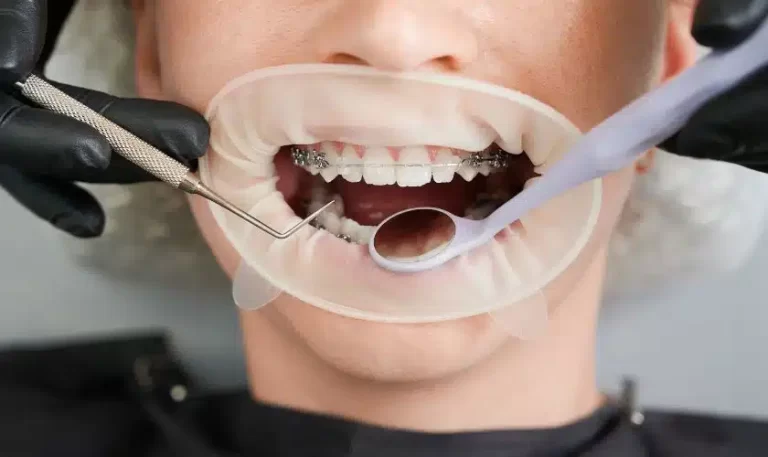
You’re stepping into a room, your smile bright and full of confidence. The kind of smile that comes from a healthy, aligned set of teeth. It’s not a dream anymore, thanks to orthodontic treatment. A study published in the ‘Journal of Clinical Orthodontics’ found a significant increase in self-esteem in individuals who have undergone orthodontic treatment. It’s a change you can experience for yourself. In the heart of the city, an opportunity awaits you – an easton free orthodontic consultation. The positive impact of orthodontics on self-esteem is something you can truly feel, and this is your chance to take the first step.

The Magic of Orthodontics

Orthodontics is not just about straightening teeth. It’s about transforming lives. The magic lies in its ability to bring out the best in people by boosting their confidence level. It’s about giving you the freedom to smile without hesitation and to laugh without holding back.

A Historical Perspective

Orthodontics, as a science, has been around since the times of ancient Egypt. Even back then, people understood the importance of a good smile. Archeologists have found mummies with crude metal bands around their teeth, an early attempt at straightening them. Fast forward to today, and we have innovative and painless methods to achieve the same result.

Real Life Stories

Consider Mary, a fictitious character, who was always self-conscious about her crooked teeth. However, after undergoing orthodontic treatment, she found herself smiling more, and interacting with people with ease. Her self-esteem improved dramatically. This is not a unique case. There are thousands if not millions, of Marys out there who have experienced the same transformation.

Take the First Step

So, why wait? The power to change your life is in your hands. Make an appointment for an orthodontic consultation and step into a future filled with confident smiles. Remember, orthodontics is not just about straightening teeth. It’s about straightening lives. It’s about you.

You’re waiting in the doctor’s office. Your heart thumps wildly in your chest – not from the icy air conditioning, but from sheer nerves. The door swings open and a straight-backed physician struts in, bearing the news: you have heart disease. You’re not alone in this. Heart disease is the leading cause of death worldwide. But hold on a minute. What if the key to a healthy heart isn’t just about a balanced diet, regular exercise, or the latest vaccines weston? What if it’s deeply connected with something often overlooked, your mental health? Welcome to your journey of understanding the unexplored connection between cardiology and mental health.

The Mind-Heart Connection

It’s a cold, hard fact: stress, anxiety, and depression can influence heart disease. But how? Let’s dive into a short story. Picture the life of a 19th-century worker, slaving away in a grimy factory for 16 hours a day. The stress is unimaginable, the depression a constant shadow. Before long, his heart gives out. Today, we live in a different world, but the stressors are still there. The connection between mental health and heart health is real, and it’s high time we pay attention.

Mental Health and Heart Disease

Let’s start with stress. It’s a villain, a silent killer. Stress triggers the release of adrenaline. Your blood pressure skyrockets. Your heart rate increases. We won’t even talk about cortisol. These reactions strain your heart and can lead to heart disease.

Depression is another culprit. It’s been associated with higher risks of heart disease. Dealing with depression is like trying to swim against a strong current. It’s exhausting, physically and mentally. The relentless struggle takes a toll on your heart.

Break the Cycle

So how do we break this vicious circle? Here are a few suggestions:

  • Manage stress – Find healthy ways to cope with stress. Yoga, deep breathing, and meditation can help.
  • Quit smoking – It’s a no-brainer. Smoking is bad for both your heart and mental health.
  • Get active – Physical activity helps reduce stress and uplift your mood. Plus, it’s good for your heart.

Takeaways

In conclusion, it’s time to rethink our approach to heart health. It’s not just about the physical aspects. Mental health plays a crucial role too. Remember, a healthy mind leads to a healthy heart. So, let’s start taking care of our hearts by taking care of our minds. It’s the first step towards a healthier, happier you.

Porcelain inlays are a fantastic cosmetic dentistry option that restores damaged or diseased teeth while maintaining their natural appearance. Porcelain inlays are becoming more and more common in dental practice in Toledo, where people prioritize both usefulness and beauty when it comes to tooth restoration. Let’s examine the advantages and attractiveness of porcelain inlays and the reasons Toledo’s dentistry community is starting to pay more attention to them.

Understanding Porcelain Inlays:

Made to order, porcelain inlays are fine dental restorations that are painstakingly sculpted to precisely fit into a tooth’s natural curves. Porcelain inlays provide better aesthetics and longevity than standard fillings, which are usually made of metal or composite materials. For this reason, they are the best option for replacing teeth in parts of the mouth that are visible.

The Beauty of Natural-Looking Results:

The ability of porcelain inlays to blend in perfectly with natural tooth enamel and produce a restoration that is nearly invisible from the surrounding teeth is one of their most alluring features. Porcelain inlays are a viable option for Toledo residents who value having a smile that looks natural and improves the appearance and functionality of teeth that are broken or rotten.

Customized to Perfection: 

Every porcelain inlay is made to precisely fit and blend in with the patient’s smile by mirroring the patient’s natural teeth in terms of color, shape, and size. The talented dentists in Toledo create porcelain inlays with remarkable precision and attention to detail using CAD/CAM technology and sophisticated digital scanning. The end product is a restoration that is as distinctive as the patients they treat.

Strength and Longevity:

Despite their natural appearance, porcelain inlays boast impressive strength and durability, making them a reliable choice for restoring teeth that experience moderate to heavy chewing forces. In Toledo, where individuals lead active lifestyles, porcelain inlays provide peace of mind knowing that their restored teeth can withstand the rigors of daily use while maintaining their beauty for years to come.

Benefits of Porcelain Inlays: 

  1. Aesthetic
  2. Durability
  3. Preservation
  4. Customization
  5. Versatility
  6. Comfort
  7. Biocompatibility

In contemporary dentistry, porcelain inlays are the pinnacle of elegance and practicality. They provide patients in Toledo, Ohio with tooth restorations that seem exceptionally natural and meet all of their expectations. Porcelain inlays, with their seamless integration with natural teeth, unique design, strength, longevity, and versatility, are changing smiles and boosting self-esteem in Toledo’s energetic community. Porcelain inlays are a ray of hope for those who want to combine style and functionality harmonically. They guarantee beautiful smiles that will last a lifetime.

The peripheral smear test, also known as a blood smear or peripheral blood film is a diagnostic method of examining blood cells through a microscope. It gives invaluable information on the structure and count of the cells in the blood serving as a tool for diagnosing many diseases. This article will bring you through the process, the preparation and the aftercare of performing a peripheral blood smear test.

Understanding the Peripheral Smear Test:

A peripheral smear test is a procedure that requires drawing a small amount of blood from a person’s fingertip, heel, or vein, depending on the age and the condition of the person. Next, a small sample of blood is smeared onto a glass slide, stained and thoroughly examined by the pathologist with the help of a microscope.

Procedure:

The procedure for a peripheral smear test is relatively simple and minimally invasive. Here’s a step-by-step guide:

  1. Patient Preparation: Patients are asked to avoid eating or drinking anything other than water for at least 8 hrs before the test so that it can be assured that the readings will be accurate. It is vital to the healthcare provider to know about any medications or supplements used, for a reason of which some of them can alter blood cell morphology.
  2. Blood Collection: A healthcare practitioner will wash the insertion site with an antiseptic and will prick the fingertip or the heel of an infant (lancet). For adults, blood may be drawn through a vein by a needle and syringe. Just a small amount of blood is put onto a glass slide and then transferred there.
  3. Smearing and Staining: This stripe is balanced between thickness and transparency. At the same time, the spread should cover the period as much as possible and so that all blurring areas are clearly displayed. Thereafter, such dyes like Wright’s staining or Giemsa staining are applied in order to different cells to be made more visible.
  4. Microscopic Examination: First the slide is stained so then it is looked under a microscope at different magnifications to see the morphology, size, shape, and distribution of red blood cells, white blood cells, and platelets. The existence of abnormalities, as an example mature or strange cells, can offer a lot of diagnostic data.

Preparation:

Preparing for a peripheral smear test involves a few essential steps to ensure accurate results:

  1. Fasting: The patient is required to fast for at least 8 hours before the test as food intake can cause alterations in blood cell morphology and composition.
  2. Hydration: It is an important prerequisite to stay hydrated by drinking enough water before the exam as dehydration can provoke the alteration of blood viscosity and cell morphology.
  3. Medication Review: Inform the healthcare provider concerning any medications, herbal supplements, and remedies intake, as few drugs interfere with blood cell morphology and staining.

Aftercare:

After peripheral smear test, patients may experience slight pain or bruising at the puncture point. 

  1. Apply Pressure: To minimize bleeding and bruising, put slight pressure on the puncture site with the clean gauze pad or cotton ball for the few minutes.
  2. Rest and Hydration: Sleep and drink some fluids to replenish your blood and encourage the healing process.
  3. Monitor for Complications: Pay attention to the puncture site for any infection signs like redness, swelling, or discharge. Seek medical help should any complications arise.

Conclusion:

The peripheral smear test will be a useful diagnostic tool through the evaluation of the blood cell morphology and composition. Understanding the procedure, preparation, and aftercare associated with peripheral smear tests, patients can be rest assured that the results are accurate and it contributes in way to the health and well-being of the people.

You walk into a dentist’s office in sedation dentistry naples, the air crisp, with a faint odor of mint. You see, a general dentist is a silent hero, keeping our smiles bright and our oral health at its peak. Their role extends far beyond teeth cleaning – they are our first line of defense against gum disease, oral cancer, and other health problems that may first show signs in our mouths. These fascinating experts can spot trouble early, nip it in the bud, and save us from bigger issues down the line. Today, we will take a peek behind the curtain of a general dentist’s world – step in and realize the true magnitude of their work.

The Broad Scope of a General Dentist

Let’s imagine a city. This city is your mouth – with its high-rise teeth, gum roads, and tongue park. In this city, the general dentist is the mayor. They oversee everything, ensure that everything is in order, and address issues before they become overwhelming. They are the ones who will fill your cavities, perform root canals, and even extract teeth when necessary.

Preventive Care: A Proactive Approach

Like a mindful mayor, a general dentist doesn’t wait for problems to arise. They take a proactive approach and provide preventive care. From routine cleanings and exams to fluoride treatments and sealants, these preventive measures help keep your oral health in check. It’s like regular maintenance – a little effort now to avoid major problems later.

Restorative Services: Restoring Your Smile

Despite our best efforts, sometimes things go wrong. A tooth might crack, a cavity might form, or a tooth might even be lost. Fear not – our general dentist is well-prepared to handle such cases. With their restorative services such as fillings, crowns, bridges, and more, they can restore your smile to its former glory, or even better!

The Early Detection of Oral Health Problems

Some problems start in the most unexpected places – our mouths. Conditions such as heart disease, diabetes, and even some forms of cancer can show early signs in our oral health. Our observant general dentist is often the first one to spot these signs, making early detection and treatment possible.

Overall Health Advice

Finally, a general dentist is also your trusted source of advice for maintaining oral health. They can guide you on diet, oral hygiene, tobacco use, and other lifestyle factors that have a direct impact on your oral health. It’s like having a health coach, whom you visit twice a year.

In conclusion, a general dentist plays a pivotal role in maintaining our oral health. They fight off oral diseases, restore our smiles, and even play a crucial role in detecting major health issues. They truly are the unsung heroes of our healthcare system.

Undergoing vascular surgery can feel like a journey through an alien world. You’re suddenly thrust into an environment filled with strange machines, clinical jargon, and new routines. And then, once the surgery itself is over, a new phase begins recovery and post-operation care. You might feel a sense of relief, but that’s mixed with anxiety about what comes next. In this blog, we will walk through this new terrain together, addressing critical elements of your post-surgery journey. We’ll even touch upon innovative procedures like the PDO threadlift Woodbury, a treatment that’s revolutionizing patient recovery.

The Road to Recovery

Imagine the recovery journey as similar to climbing a mountain. It’s challenging, it’s tiring, but it’s also rewarding. Each step you take, each day you push on, brings you closer to the summit: your eventual return to normal health.

Helpful Tips for Post-Operation Care

Here are some simple tips to help you navigate your recovery journey:

  • Rest is essential. Your body needs time to heal.
  • Follow your doctor’s advice. They know what’s best for your specific situation.
  • Stay consistent. Consistency is key when it comes to your medication, exercises, and rest.

Revolutionizing Recovery with PDO Threadlift Woodbury

While traditional recovery methods are effective, new treatments are making the process faster and smoother. One such treatment is the PDO threadlift Woodbury. It’s a minimally invasive procedure that stimulates collagen production, promoting healing and improving the appearance of scars.

Embracing the Journey

Recovery is not just about getting back to where you were before surgery. It’s about embracing the journey, learning from it, and coming out stronger on the other side. So, as you embark on this path, remember that you’re not alone. We’re here to help you every step of the way.

Imagine reclining on a plush lounge chair, the tranquil soundtrack of nature playing softly in the background. The skilled hands of a Med Spa Practitioner are working their magic on your skin. This is no ordinary appointment, it’s a session of microneedling orange park. This transformative journey, led by the expertise of your practitioner, is not just about enhancing your beauty. It’s about rejuvenating your self-confidence, refreshing your outlook, and revamping your entire life. Let’s delve into the profound impact a Med Spa Practitioner can have on client transformation.

The Role of a Med Spa Practitioner

A practitioner is your guide on this transformative journey. They don’t just apply treatments. They listen, they empathize, they reassure. Picture a sculptor, lovingly chiseling away at a block of marble. Unveiling the masterpiece hidden within. That’s your practitioner. Your beauty is a masterpiece.

The Power of Microneedling

Consider a garden. Overgrown, neglected. Enter the gardener, with a rake and a vision. The rake, that’s microneedling. It’s a tool, a method. A way to clear out the old, to make way for the new. It’s not the rake that transforms the garden though – it’s the gardener. Similarly, it’s not micro-needling alone that transforms you, but the expert hands of your practitioner.

More Than Skin Deep

Imagine looking in the mirror. Looking. Not just at your skin, but at your whole self. Imagine liking what you see. Loving it, even. That’s the gift your practitioner gives you. Microneedling can smooth out wrinkles, sure. But the real magic happens when you start to see yourself differently. When you start to see yourself as beautiful, as worthy.

Transformation: A Journey, Not a Destination

Picture a butterfly. It didn’t become that way overnight. It was a caterpillar once, remember? It had to go through a process, a transformation. That’s you. You’re the butterfly. And your practitioner? They’re there to help you spread your wings.

Conclusion

So, what’s the real impact of a Med Spa Practitioner on client transformation? It’s not just in the smoother skin, or the reduced wrinkles. It’s in the renewed confidence, the revamped self-image, the rejuvenated outlook on life. It’s in the transformation from caterpillar to butterfly.

You know that moment when you’re sitting in your doctor’s office in egg freezing Newport Beach, hands trembling with joy as you hear the heartbeat of your unborn child for the first time? Or that sigh of relief when your gynecologist gives you the all-clear after a scare? We don’t often stop to appreciate the incredible work of obstetricians and gynecologists. They guide us through the most monumental stages of life – from conception to birth and beyond. This blog post celebrates these unsung heroes of healthcare. Their expertise and care have revolutionized modern medicine, making miracles like childbirth safer and more joyful than ever before.

The History of Obstetrics and Gynecology

Let’s step back in time for a moment. Women’s health was once shrouded in mystery and superstition. It was during the Renaissance that obstetrics and gynecology began to emerge as scientific disciplines. Fast-forward to today, and they stand as critical pillars of modern medicine.

Bringing Life into the World

Imagine bringing thousands of babies into the world. Obstetricians do this regularly. They ensure the health and safety of both mother and baby during pregnancy and childbirth. The joy they bring to families is immeasurable. Their contribution can’t be understated – they help usher in the next generation.

Guardians of Women’s Health

Gynecologists are the unsung heroes of women’s health. From routine check-ups to the diagnosis and treatment of various conditions, they work tirelessly to ensure the well-being of women at every stage of life. Their commitment to health allows us to live our lives with confidence and peace of mind.

Beyond the Call of Duty

Obstetricians and gynecologists do more than just their job. They provide emotional support during difficult times. They celebrate with us during moments of joy. They stand as pillars of support and reassurance when we need it the most. These professionals extend their care beyond the confines of their offices and into our hearts.

Looking Ahead

Advancements in obstetrics and gynecology continue to shape and improve the field of medicine. The introduction of innovative procedures like egg freezing in Newport Beach has created new possibilities for family planning. As we look to the future, we celebrate the relentless dedication of these professionals in pushing boundaries, improving care, and enhancing the lives of women across the globe.

Conclusion

In conclusion, the contributions of obstetricians and gynecologists to modern medicine are immense and indispensable. Let’s take a moment to celebrate these professionals who, with their expertise and care, make the journey of life a safer, healthier, and more joyful experience for countless women worldwide.